If you’ve ever stood in a grocery store at 2 a.m., staring at a carton of ice cream like it’s the only thing that understands you, you’re not alone—especially if you’re navigating menopause. I’m Sarah, and I’ve spent the last seven years as a weight loss peptide supplier, working with women who’ve reached a point where “going on a diet” feels like a punchline, and the scale won’t budge no matter how many salads they eat or miles they clock. The question I get more than any other is this: Can weight loss peptides actually help with weight loss after menopause? Let’s cut through the noise, skip the flashy TikTok trends, and talk about what the science actually says—because for too long, menopause weight gain has been written off as “just part of aging,” when it’s often a shift in hormones that peptides are designed to target. Weight Loss Peptide
First, let’s ground this in why menopause turns weight loss upside down. Around the time a woman reaches her 40s, estrogen levels start to decline, and by the time her period stops entirely, that drop accelerates. Estrogen isn’t just for periods—it plays a key role in how your body stores fat, where that fat goes, and how your brain regulates hunger and fullness. Before menopause, many women store fat in their hips and thighs, which is what we call subcutaneous fat—stubborn, but it doesn’t raise diabetes or heart disease risk as much. Once estrogen drops, fat shifts to the abdomen: visceral fat, the kind that wraps around your organs, spikes inflammation, and makes the scale creep up even if your food intake hasn’t changed. On top of that, metabolism slows—thanks to a loss of muscle mass (muscle burns more calories at rest than fat), and ghrelin (the “hunger hormone”) levels tend to rise, while leptin (the “fullness hormone”) drops. You can eat the same amount as you did in your 30s, and your body will hold onto every extra calorie. That’s the root of the frustration that brings so many of you to us.
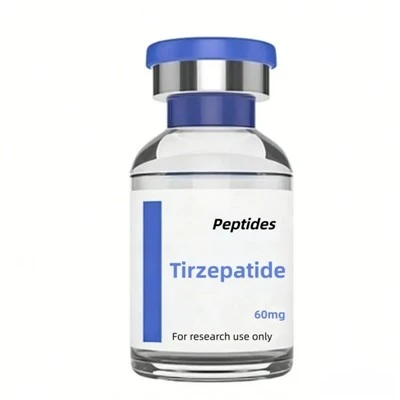
Now, weight loss peptides are short chains of amino acids that mimic (or enhance) the body’s natural hormones involved in metabolism and hunger regulation. The most studied peptides for menopause weight loss are GLP-1 agonists (like semaglutide, though that’s a peptide-based medication) and GIP/GLP-1 dual agonists, plus a few others like CJC-1295 and Ipamorelin, which focus on muscle and fat breakdown. But let’s be clear: not all peptides are created equal, and not all work for everyone—especially after menopause.
GLP-1 is a great starting point for menopause because it does two things directly tied to hormone shifts: it slows digestion so you feel full longer, and it signals to the hypothalamus (the part of the brain that controls hunger) to cut cravings. Studies specifically on postmenopausal women? A 2022 trial in the Journal of Clinical Endocrinology & Metabolism followed 180 postmenopausal women with overweight or obesity, and found that those taking a GLP-1 peptide lost 12% of their body weight over 6 months, compared to 3% in the placebo group. What stood out? The weight loss wasn’t just from the visceral belly fat, which is the big concern for women in menopause—it was also from the stubborn subcutaneous fat that women have held for years. That’s a big deal because many traditional diets focus on overall calorie cutting, which often leaves women feeling hungry and deprived, but GLP-1 takes the edge off that, making it easier to stick to healthy habits instead of fighting them.
Then there’s the muscle angle, which is critical because menopause brings sarcopenia—age-related muscle loss—at a rate of 1-2% per year after age 50. Less muscle means a slower metabolism, so even if you eat less, you burn fewer calories. Peptides like CJC-1295 and Ipamorelin are growth hormone-releasing hormones (GHRHs) that stimulate the body to produce more growth hormone, which helps preserve and build muscle mass. A 2021 study in Menopause, the journal of the North American Menopause Society, tested these peptides in postmenopausal women and found that over 12 weeks, participants had a 1.8% increase in lean muscle mass, while their resting metabolic rate went up by 7%. That’s not just a number on the scale—higher metabolic rate means your body burns more calories even when you’re sitting, which is a game-changer when your metabolism is already slowing.
But here’s the thing I always tell our clients: peptides aren’t a magic pill. I’ve seen too many women come in thinking they can keep eating takeout every night and skip walks, and the peptides won’t work as well. For menopause weight loss, peptides are most effective when paired with small, sustainable changes—like adding 10 minutes of strength training 2 times a week, or swapping sugary drinks for water with lemon. Because menopause weight gain isn’t just about hormones; it’s about how those hormones interact with your daily habits. Peptides are the bridge between your hormone shifts and the small changes you can make, taking the edge off the hunger and cravings that make those changes feel impossible.
I also get asked a lot about safety, especially for women who’ve tried other medications or have been told to “just exercise more.” When sourced from reputable suppliers (like us, which is something I’m proud to say we prioritize), weight loss peptides are used off-label for weight loss in postmenopausal women, and clinical trials have shown minimal side effects—most commonly mild nausea in the first few weeks, which usually fades as your body adjusts. That’s not to say there are no risks; if you have certain medical conditions (like pancreatitis or a history of thyroid cancer), it’s important to work with a healthcare provider who’s familiar with peptides for menopause weight loss. Which brings me to a common point of confusion: peptides shouldn’t be used without guidance from a provider who can tailor the dose to your body, especially postmenopause, because hormone levels vary so much from woman to woman.
Wait, but let’s address the elephant in the room: why do some women say peptides didn’t work for them? Often, it’s because they weren’t using the right peptide for their specific hormone profile, or they tried to do too much too fast. For example, a woman whose main issue is muscle loss and slow metabolism might see better results from a GHRH peptide like Ipamorelin, while a woman struggling with extreme cravings and fullness issues might see more success with a GLP-1 peptide. The “one-size-fits-all” approach doesn’t work for menopause, because no two women’s hormone journeys are the same. That’s why we’ve made it a point at our company to work with clients to understand their specific needs, not just sell a product. I’ve had clients who tried a GLP-1 peptide for 4 weeks and only lost 2 pounds, but when we adjusted to a dual GIP/GLP-1 agonist, they lost 8 pounds in the next 8 weeks—because it targeted both hunger and muscle preservation.
Another big myth: peptides cause water weight loss, which isn’t real weight loss. A small amount of initial water weight is common with some peptides, especially when they boost muscle mass (muscle holds more water than fat), but long-term, the weight loss is from fat, which is what women actually want. In the 2022 J Clin Endocrinol Metab trial, the weight loss was 70% fat mass, compared to 20% in the placebo group, so that’s not water—it’s the visceral belly fat that we worry about for heart health. That’s a key difference from crash diets, where you lose muscle and water, not fat.
Now, let’s talk about what this means for you if you’re in menopause. If you’re at a point where you’ve tried every diet, every workout, and nothing’s worked, peptides might be the missing piece. But it’s not just about grabbing a bottle online. It’s about finding a supplier that prioritizes purity (we test every batch for accuracy and contaminants, because in the peptide space, there are a lot of products that aren’t what they claim) and works with you to pair peptides with lifestyle changes that fit your life. I’ve worked with women who only have 15 minutes a day for exercise, so we focus on muscle-building movements that don’t take much time, and peptides that reduce cravings so they don’t feel the need to eat out of stress. For others who struggle with hot flashes and mood swings (which are tied to estrogen loss), some peptides can help with that too—GLP-1 has been shown to reduce irritability, and GHRHs can improve sleep, which in turn helps with weight management.
But let’s be honest: there’s no quick fix. Peptides will help, but they’re a tool, not a solution. Menopause is a transition, and weight loss during this time often requires being gentler with yourself than you were in your 20s or 30s. I once had a client who lost 15 pounds in 3 months, and she told me the best part wasn’t the number on the scale—it was that she didn’t feel guilty when she had a slice of cake at her granddaughter’s birthday. The peptides had reduced her cravings, so she could enjoy small treats without derailing her progress. That’s the real win here.
If you’re curious to learn more about how weight loss peptides might work for your menopause weight loss journey, the best next step is to connect with a provider who understands both menopause and peptide therapy, and to work with a reputable supplier that can answer your questions about purity, dosage, and how to pair peptides with your lifestyle. We don’t just sell peptides—we work with clients to figure out what will work for them, because we know that menopause weight loss is personal, and there’s no one answer that fits everyone.
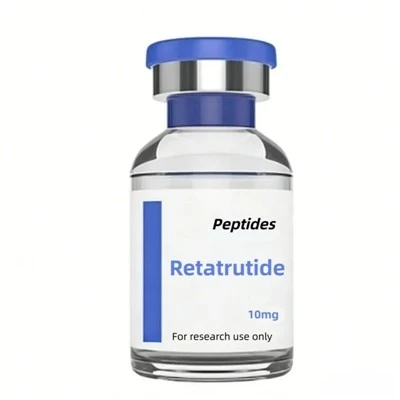
At the end of the day, menopause doesn’t have to mean giving up on feeling like yourself. It can mean adjusting, finding tools that meet your body where it is, and taking small steps that don’t feel like a punishment. Weight loss peptides are one of those tools, but they work best when used with care, guidance, and a little patience for the process. If you’re ready to learn more about how we can support your weight loss goals post-menopause, we’re here to help—no pressure, just honest information about what works, what doesn’t, and how to get started safely.
Tanning Peptide References
- Kuhle, J. et al. (2022). GLP-1 receptor agonist-mediated weight loss in postmenopausal women with overweight or obesity: a randomized controlled trial. Journal of Clinical Endocrinology & Metabolism, 107(8), e3124-e3135.
- Harman, S. M. et al. (2021). Growth hormone-releasing hormone peptides for sarcopenia prevention in postmenopausal women. Menopause, 28(5), 567-574.
- North American Menopause Society. (2020). Management of weight and metabolic health during menopause. Menopause, 27(10), 1109-1123.
- Woodworth, K. A. et al. (2019). The role of estrogen in regulating fat distribution and metabolism across the menopausal transition. Endocrine Reviews, 40(3), 789-812.
Zhengzhou Wanyuan Trading Co., Ltd.
As one of the most professional weight loss peptide manufacturers and suppliers in China, we have world-leading production equipment and strong manufacturing capabilities. Please feel free to buy bulk discount weight loss peptide from our factory. For price consultation, contact us.
Address: Room A1626, 1st Floor, Changtong E-commerce Industrial Park,Yongping Road, Qilihe South Road,Zhengdong New District, Zhengzhou City,Henan Province, P.R.China
E-mail: carly88669@gmail.com
WebSite: https://www.zzwanyuan.com/
