As a drying equipment supplier who’s been in this game for over a decade, I get it—when you’re looking to upgrade your material drying processes, the sheer number of options out there can be overwhelming. A few years back, I had a customer who was running a small-scale herbal extraction line; they were using a makeshift dryer they’d cobbled together with old oven parts, and they were constantly dealing with inconsistent moisture levels, batch spoilage, and sky-high energy bills. It wasn’t until we walked them through what a cabinet dryer is, and how it works, that they finally got their process on track. That experience stuck with me, because it’s not just about selling a machine—it’s about explaining why the right drying technology matters for your bottom line. Drying Equipment
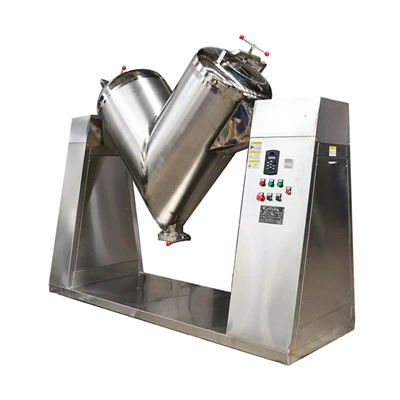
First off, let’s cut through the jargon: a cabinet dryer is a batch-style thermal drying system designed to process solid, granular, or paste-like materials in controlled, uniform conditions. Unlike continuous dryers that move materials through a production line nonstop, cabinet dryers work by loading batches of your product into enclosed, insulated chambers—hence the “cabinet” name. They’re workhorses across industries: we’ve sold them to food producers drying fruits, vegetables, and spices, to pharmaceutical manufacturers getting API powders ready for encapsulation, to ceramic manufacturers drying raw clay parts, even to recycling companies drying post-consumer plastic flakes before reprocessing. What makes them so popular is their flexibility—you can adjust temperature, air flow, and humidity to match your specific material, whether you’re drying delicate floral extracts that degrade above 40°C or hard coal granules that need 120°C to reach target moisture.
Now, how does a cabinet dryer actually work? Let’s break this down step by step, so you can picture what’s happening inside that insulated box. First, you load your material onto trays or shelves inside the cabinet. Those trays are usually perforated—they let air flow through the entire bed of material, not just around the top—so every part of the batch dries evenly. Then, the drying process kicks off with a heat source: common ones are electric heating elements, natural gas burners, or even steam coils for industrial setups. That heat warms the air inside the cabinet, raising its temperature and its moisture-holding capacity. But here’s the key part that makes cabinet dryers efficient (and not just glorified ovens): the air circulation system. Most modern cabinet dryers use fans to force heated air through the tray stacks. Some are designed with horizontal air flow, where air moves across the top of each tray; others use vertical flow, pulling air up through the perforated trays for more direct contact with the material. For sensitive products, we often recommend models with variable speed fans, so you can slow air flow down to prevent material displacement or damage.
As the heated air comes into contact with your material, two things happen: it transfers heat to the surface of the product, and that heat causes the moisture inside the product to evaporate. The moist, now saturated air is then either exhausted from the cabinet or recirculated, depending on the dryer’s design. That’s where we can tailor the dryer to your needs: for low-moisture targets, you might opt for a closed-loop cabinet dryer, which doesn’t let moist air escape—instead, it passes the exhaust air through a condenser that removes the moisture, then reheats the dry air and sends it back into the cabinet. Closed-loop models are way more energy efficient for products that need to get down to 1% moisture or less, like pharmaceutical powders or plastic resins. For higher moisture targets, like drying vegetables to 10% moisture for storage, an open-loop cabinet dryer works great—exhausting moist air outside and pulling in fresh, preheated air.
One of the biggest mistakes we see first-time buyers make is not accounting for the drying curve of their material. Every product has a specific drying curve: it starts with a constant rate period, where moisture evaporates evenly from the surface, then shifts to a falling rate period, where moisture has to diffuse from inside the material to the surface before it can evaporate. A good cabinet dryer lets you adjust parameters to align with this curve. For example, if you’re drying a thick paste, you might start with higher airflow to quickly remove surface moisture, then lower the temperature a bit during the falling rate period to prevent the material from cracking or burning. Our team always works with customers to test their material in our in-house lab, so we can tune the dryer’s settings to avoid issues like over-drying, under-drying, or material degradation.
Let’s talk about why cabinet dryers are a better fit than other drying options for many operations, especially smaller to medium-scale productions. Continuous dryers, like rotary or conveyor dryers, are ideal for high-volume, steady production, but they’re a massive investment—way beyond what a small craft bakery or specialty herb processor needs. Cabinet dryers, by contrast, are modular: you can start with a small 5-tray unit for your pilot line, then scale up to a 20-tray model as your business grows. They’re also easier to clean and sanitize, which is non-negotiable for food and pharma industries. Most of our cabinet dryers have smooth, stainless steel interiors with no hard-to-reach crevices, so you can switch between product batches without cross-contamination—a big win for producers who make different spice blends or pharmaceutical formulations.
I remember another customer last year, a craft distillery that was drying spent grain from their whiskey production to sell as animal feed. They’d been using a conventional oven, and it was taking 12 hours per batch, with 10-15% of the grain spoiling because the oven’s temperature was inconsistent. We installed a 10-tray cabinet dryer, and overnight their drying time dropped to 6 hours, with spoilage under 2%. They told us it was the difference between barely breaking even on the spent grain and making an extra $1,200 a month in profit. That’s the impact the right drying equipment can have.
Of course, no cabinet dryer is one-size-fits-all, so when you’re evaluating your options, there are a few key factors to keep in mind. First, your material’s properties: is it fragile, powdery, or hard? Fragile materials like flower petals need low-temperature, low-airflow settings to prevent damage, while plastic flakes need higher temperatures and more robust air flow to remove surface moisture. Second, your required moisture level: if you need to get below 5% moisture, a closed-loop dryer is worth the extra cost, even if open-loop is cheaper upfront. Third, batch size: if you’re running 500kg per batch, you need a larger cabinet, while 50kg batches work for a smaller unit. And don’t forget energy efficiency—look for dryers with insulated walls, variable speed fans, and heat recovery systems to cut your utility bills.
As a supplier, I always tell potential customers that the best way to find the right cabinet dryer is to test your material. We have a small testing facility on our shop floor where we can run trials with your specific product, measure drying time, moisture levels, and energy use, so you know exactly what to expect before you buy. Too many companies skip this step, and they end up with a machine that doesn’t fit their needs—wasting time and money in the long run.
At the end of the day, a cabinet dryer isn’t just a piece of equipment; it’s a tool that affects every part of your process. It impacts product quality, production time, energy costs, and even your bottom line. If you’re tired of inconsistent drying, high spoilage, or sky-high energy bills from your current setup, it’s worth taking the time to understand what a cabinet dryer can do for you. We’ve helped hundreds of businesses across industries upgrade their drying processes, and we’re ready to do the same for yours. To discuss your specific drying needs, test a sample of your material, or get a customized quote, reach out to our team to connect for a purchasing consultation. We’ll walk you through every step, so you can make an informed decision that works for your business.
Tunnel Dryer References
- Mujumdar, A. S. (2014). Handbook of Industrial Drying (4th ed.). CRC Press.
- Strumillo, C., & Kudra, T. (1986). Drying: Principles, Applications and Design. Marcel Dekker.
- Food and Agriculture Organization of the United Nations. (1992). Forest Products Drying: A Practical Manual. FAO.
- Rowson, N. A. (2012). Drying in the Food Industry. Woodhead Publishing.
- pharmaceutical Engineering and Manufacturing Association. (2020). Guide to Drying Processes for Pharmaceutical Solid Dosage Forms. PEMIA.
Nanjing Huozao Machinery Technology Co., Ltd.
Nanjing Huozao Machinery Technology Co., Ltd. is one of the most professional drying equipment manufacturers and suppliers in China, also supports customized service. With abundant experience, we warmly welcome you to buy durable drying equipment for sale here from our factory. For price consultation, contact us.
Address: No.2, Kuailu Road, Longtan Street, Qixia District, Nanjing
E-mail: hz@huozaodryer.com
WebSite: https://www.huozaodryer.com/
