Hey there! If you’ve ever paused to think about what keeps your body running smoothly—beyond just eating and drinking—you’ve probably wondered about the unsung heroes: proteins. As someone who’s spent years working with proteins (yeah, I own a proteins supply business, so this stuff’s not just textbook jargon to me), I get how most folks don’t really grasp how these vital molecules are stored, used, and even why your body sometimes needs a little backup from a reliable supplier. Let’s break this down like we’re chatting over coffee, no stuffy science lectures here. Proteins
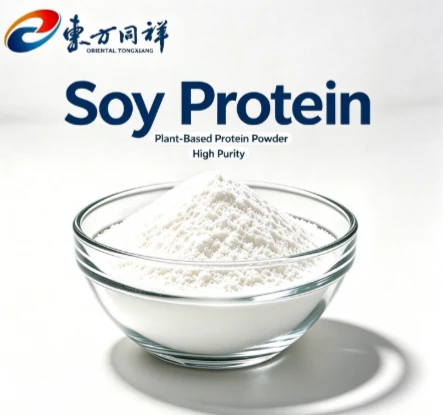
First off, let’s set the scene: your body’s a protein factory, but not the kind that cranks out parts 24/7 from scratch. Proteins are made of those tiny building blocks called amino acids—9 of which are “essential,” meaning you can’t make ’em on your own; you have to get ’em from food. The other 11 are “non-essential,” your body can whip ’em up if it has the right pieces. Now, storage? That’s where it gets interesting. Your body doesn’t tuck proteins away in a little pantry like canned beans or something. Unlike carbs, which you store as glycogen in your liver and muscles, or fat, which just sits in adipose tissue, proteins have way less dedicated storage. Wait, why’s that?
Turns out, if your body has extra amino acids from a meal, it can’t just stack ’em up and call it a day. Most excess amino acids get broken down in the liver, a process called deamination—they lose their nitrogen group, which becomes urea (that’s what pee’s made of, for anyone who’s ever wondered), and the leftover carbon bits get turned into energy or stored as fat. So when would your body actually save proteins? Oh right—there’s a handful of specific spots where protein storage happens, and it’s not the kind you can stock up on like groceries.
One big one is muscle tissue. Wait, muscles aren’t just for strength—they’re your body’s main protein bank, basically. When you eat more protein than you need right away, some of those amino acids get shuttled to your muscles to build and repair, which also means they’re stored there for later. Think of it as your body putting extra cash into a savings account that’s only accessible when you need to fix a torn muscle (hello, post-workout soreness) or keep your body functioning during a long stretch without eating. But here’s the catch: that storage isn’t unlimited. If you never give your body enough protein, it’ll start breaking down muscle tissue to get the amino acids it needs—super important for anyone who’s trying to bulk up, but also for folks who don’t eat enough protein, like some older adults or people on restrictive diets.
Then there’s less talked-about storage in things like your liver, blood, and even your organs. For example, albumin is a protein in your blood that acts like a transport protein—it carries hormones, vitamins, and drugs around your body, but also helps keep fluid in your bloodstream so it doesn’t leak into other tissues. Your liver stores some albumin to top off those levels, which is why low albumin levels can be a sign you’re not getting enough protein long-term. There are also proteins like ferritin (wait, that’s mostly for iron, but no—ferritin’s a protein that stores iron, so it’s a protein storage molecule too) and immunoglobulins, which are antibodies—your body stores a small pool of these to fight off infections when a bug comes calling. Oh, and your hair and nails? They’re made of keratin, a structural protein, and while they’re not “stored” in the same way, they are built from amino acids your body has on hand.
Wait, let’s get real about what happens when storage goes wrong. I’ve had so many clients (ranging from gym bros to clinic teams) ask me, “If my body stores protein, why do I need to keep eating it every few hours?” That’s because that muscle protein bank isn’t a fixed stash. It’s a dynamic process—your body’s always breaking down old muscle proteins and building new ones, a cycle called protein turnover. So if you go too long without protein, you’re net losing muscle, not just dipping into savings. For example, if you’re on a crash diet with barely any protein, your body will start breaking down muscle to get essential amino acids, which slows your metabolism, makes you tired, and even weakens your immune system.
That’s where my side of things comes in. As a proteins supplier, I’ve seen first-hand how many people underestimate their protein needs, especially when it’s not coming from whole foods. A lot of folks think, “I eat chicken and eggs, I’m covered,” but for people with dietary restrictions (vegan, kosher, halal, you name it), or athletes cramming 150g of protein a day, or even labs that need pure proteins for research, whole foods might not cut it. Wait, let’s clarify: I don’t sell random protein powders (though I do supply high-quality whey and plant-based isolates for sports nutrition) — we also work with biotech firms, diagnostic labs, and pharma companies that need specific proteins for experiments, tests, and medications. Because those folks can’t just get their protein from a grocery run; they need consistent, pure, tested supplies that don’t fluctuate like a batch of homemade protein.
But let’s circle back to storage to make this relatable. Imagine you’re a marathon runner—you need that muscle protein bank to be well-stocked to get you through 26 miles. If you’re training hard, your body is breaking down and building muscle proteins way faster than a sedentary person, so you can’t just rely on a single big meal; you need a steady stream of amino acids. That’s why having a reliable backup (looking at you, my protein supplies) is a game-changer—whether it’s a convenient powder to mix into a post-workout shake, or a specific protein reagent that keeps your lab experiments running smoothly.
Another thing I see a lot: people thinking protein storage is just for building muscle, but it’s critical for way more. For example, if you’re recovering from surgery, your body needs extra amino acids to repair tissue, and its storage reserves (muscle, liver) might be tapped out if you weren’t eating enough before the procedure. That’s when getting a consistent supply of high-quality, easy-to-digest protein (again, where we come in) helps you rebuild faster without putting extra strain on your body.
Wait, let’s bust a common myth here: your body doesn’t store protein like fat for long-term energy. That’s a big one! People used to think if you eat too much protein, it turns to fat, which is partially true, but the primary role of excess protein is not storage—it’s energy. So “stocking up” on protein for a rainy day is basically just keeping your muscle and other tissue stores full, not hoarding it like your pantry does with canned soup. That’s why it’s so important to get enough protein every single day, not just once a week in a huge meal.
Let me share a quick story to make this real. A few months back, I worked with a local physical therapy clinic that was treating a group of older adults recovering from falls. Their nutritionist noticed many of the seniors were losing muscle mass (sarcopenia, it’s called) because their protein intake was too low—their bodies were dipping into muscle storage to get the amino acids they needed. We supplied them with a specialized, easy-to-mix protein that was gentle on sensitive stomachs, and within a couple of months, the patients had better strength, fewer repeat falls, and their lab results (albumin levels, which I mentioned earlier) were back to normal. That’s the kind of impact protein storage (and having the right protein supplies to support it) can have on everyday people.
Now, let’s talk about what happens when storage is insufficient. If you’re chronically low in protein, your body’s “storage” (muscle, liver proteins) starts to shrink. Symptoms can be subtle at first: fatigue, weak nails, frequent colds (since your antibody proteins are low), but over time it leads to muscle wasting, slowed healing, even fluid retention (because albumin levels drop, so fluid builds up in your legs). That’s not something you want to mess with, right? So whether you’re an athlete, a parent juggling a busy schedule, a lab researcher, or someone managing a health condition, making sure you have enough protein to keep those storage pools full is non-negotiable.
Wait, let’s get back to the science to wrap this up. The key takeaways on protein storage: your body’s storage is dynamic, limited, and mostly tied to muscle, liver, and blood proteins. It’s not like carb or fat storage—you can’t just “load up” and go weeks without eating protein. So consistent intake is way more important than quantity in one sitting (though spreading protein intake over 3-4 meals a day is better for muscle synthesis, which feeds into that storage).
Which brings me to why I’m here, as a proteins supplier. I know firsthand how hard it is to find a protein supply that’s reliable, pure, and tailored to your needs. Whether you’re a sports nutrition brand looking for bulk plant-based protein, a research lab needing a specific recombinant protein, a hospital ordering clinical-grade protein for patient use, or someone looking for a convenient way to hit their daily protein goals, we’ve got you covered. We don’t cut corners on testing—every batch we supply goes through rigorous quality checks to make sure it’s safe, effective, and consistent. No weird fillers, no inconsistent amino acid profiles, no surprises when you open the package.
If you’re someone who’s been struggling to keep up with your protein needs, or if you’re on the supply side (like a lab manager or nutrition brand owner) who needs a dependable protein partner, let’s chat. I’ve spent years building this business because I believe everyone should have access to the proteins they need to function at their best—whether that’s fueling a workout, powering a lab experiment, or supporting a patient’s recovery. We can walk through your needs, answer any questions, and put together a supply plan that works for you.
At the end of the day, proteins are the backbone of your body’s function, and how they’re stored and used is super complex—but it doesn’t have to be confusing. Having a trusted supplier takes the stress out of making sure your protein needs are met, so you can focus on whatever matters most to you.
Prebiotics & Dietary Fibers References:
- Campbell, B. et al. (2021). International Society of Sports Nutrition Position Stand: Protein and Exercise. Journal of the International Society of Sports Nutrition.
- Wolfe, R. R. (2017). Protein and amino acid metabolism in humans. Annual Review of Nutrition.
- American Dietetic Association. (2019). Position of the American Dietetic Association: Nutrition and Lifestyle for Older Adults. Journal of the Academy of Nutrition and Dietetics.
- Mahan, L. K., & Escott-Stump, S. (2020). Krause’s Food & Nutrition Therapy. Elsevier.
Qingdao Oriental Tongxiang International Trading Co., Ltd.
As one of the most experienced proteins manufacturers and suppliers in China, we also support customized service. With a professional production team, we offer a wide range of food ingredients with superior quality. Welcome to buy bulk premium proteins made in China here from our factory.
Address: Room 2803, Block A, China Resource Building, No.6 Shandong Road, Qingdao ,China
E-mail: info@orientaltx.com
WebSite: https://www.qdorientaltx.com/
