Hey there, if you’re deep in the world of electrical installs, chances are you’ve spent some time wrestling with cable lugs—those little metal connectors that hold power cables to breakers, transformers, or whatever piece of gear you’re working on. But here’s the thing: a cable lug is only as good as the accessories you pair it with. I’ve seen so many guys skip small parts and then end up with loose connections, overheating, or even full-on electrical failures, and it’s never pretty. As a cable accessories supplier, I’ve talked to hundreds of electricians, maintenance techs, and even DIYers who don’t realize how much the right add-ons change the game. Let’s break down what you actually need, no fluff, no sales jargon, just real stuff. CABLE ACCESSORIES
First up, let’s talk about the most basic, yet most critical accessory: the cable lug entry grommet. Wait, why is that even a thing? I get it—you look at a lug and think “that’s where the cable goes, done.” But no, when you strip the outer jacket off a power cable, that cut edge is super sharp. If you shove the cable straight into the lug, those sharp copper (or aluminum) strands get nicked and frayed, and over time, those nicks weaken the conductor and cause resistance. Also, the sharp edge of the cable jacket can fray right where it meets the lug’s barrel, and if you’re working with a big, thick cable, that flex every time you adjust the connection can cause the jacket to split. Grommets aren’t just plastic rings, by the way—we carry silicone and rubber ones specifically sized for different cable diameters, and some even have a heat-resistant coating for high-voltage installs. I had a client last year who was doing a commercial rooftop project, and he was skipping grommets because he thought they were “a waste of money.” A week later, he had to rework six connections because the cable had frayed so bad it caused a voltage drop. He came back the next week for grommets and said it saved him way more time than buying them cost.
Next, lug washers. I know, another tiny part that feels like overkill. But hear me out: when you tighten the bolt on a cable lug, you’re putting pressure on both the lug and the surface it’s attached to—whether that’s a bus bar, a breaker terminal, or a motor lead. If the surface is even a little uneven, or the bolt’s not aligned just right, the edges of the lug’s hole can dig into the metal, leading to a loose fit over time. That loose fit creates resistance, which means heat builds up, and heat is the #1 enemy of electrical connections. Washers distribute that tightening pressure evenly, so the lug sits flat and secure every single time. We carry flat steel washers for standard installs, but also split lock washers for places that vibrate a lot—like industrial machinery or construction sites where things are bouncing around all day. I always tell guys, if you’re skipping washers, you’re cutting corners, plain and simple.
Then there’s heat shrink tubing for lugs. A lot of people use electrical tape here, but tape is garbage for long-term durability. It breaks down from UV exposure, gets brittle in cold weather, and peels off after a few years, especially if it’s near a heat source. Heat shrink is a game-changer because it forms a permanent, tight seal that protects the connection from moisture, dust, dirt, and even minor abrasions. You want to pick heat shrink that’s sized to fit snugly over the lug and the cable jacket—too big, and it won’t seal; too small, and it’ll split when you heat it up. We carry dual-wall heat shrink too, which has an adhesive lining that melts when you apply heat, creating a watertight seal. That’s perfect for underground installs or outdoor applications where moisture is a problem. I’ve had so many guys switch from tape to heat shrink and come back saying their connections are holding up way better, even after years in the elements.
Wait, what about lug covers? If you’re working on a project where the lug is exposed—like a panel upgrade or a temporary power setup—you can’t leave that live metal exposed. That’s a huge safety hazard, not just for you, but for anyone working around the area. Lug covers, also called terminal covers, are plastic or rubber caps that fit over the lug and the bolt, insulating the connection from accidental contact. We make covers in different sizes to fit all common lug types, and some are even color-coded for different voltage levels—red for 480V, black for 120V, that kind of thing. It’s a small part, but it keeps you from accidentally grabbing a live terminal and getting a shock, which is something no one wants to deal with.
Let’s not forget about anti-oxidant compound. This one is a bit more specialized, but it’s non-negotiable for high-current connections. When you connect copper or aluminum to metal lugs, oxidation builds up over time—especially with aluminum, which is super prone to oxidizing when exposed to air. That oxidation is an insulator, so it increases resistance, leads to overheating, and can even cause the connection to fail. Anti-oxidant compound is a conductive grease (wait, no— it’s not regular grease, it’s specifically made to be electrically conductive) that you apply inside the lug’s barrel before crimping the cable. It fills in all the tiny gaps between the cable strands and the lug, prevents oxidation, and keeps the connection tight. We’ve had clients tell us they’ve used the same connections for 10+ years without any issues just because they added anti-oxidant compound. The key here is not to use too much—just a thin layer is enough—because excess can actually create resistance.
Oh, and crimp tools and dies? Wait, technically, those are tools, not accessories for the lug, but hear me out—using the wrong crimp is one of the biggest mistakes I see. A lot of guys use pliers to crimp lugs, which is never enough. You need a crimp tool that’s matched to the size of your lug and cable, because an improper crimp leaves gaps between the cable strands and the lug, leading to resistance. We offer crimp dies that fit all our lugs, so you can get a perfect, uniform crimp every time. I had a residential electrician come to me a while back, he was having issues with his garage panel overheating. Turned out he was using a cheap crimp tool that didn’t fit the lugs he was using, so the crimp was loose and the connection was bad. He got the right tool and dies, and the problem was gone. It’s not just about the lug itself—it’s about how you secure it, too.
Wait, what about grounding accessories? If you’re working on a system that needs proper grounding, you can’t just use a lug and call it a day. We offer grounding lugs with built-in bonding holes, as well as grounding straps that connect the lug to the main grounding bus. Also, for aluminum cable lugs, it’s important to make sure you’re using aluminum lugs with aluminum cable (or copper-aluminum transition lugs if you’re connecting copper to aluminum) to prevent galvanic corrosion. That’s another common mistake—mixing metals without the right adapter, which leads to corrosion and failure.
Let me talk about some real-world scenarios here, because this isn’t just theory. Last year, I was working with a construction crew doing a 10,000 sq ft warehouse build. They were running 4/0 copper cables to the main breaker, and at first, the foreman said he didn’t need any accessories—just the lugs. I pointed out that without grommets, the cable jacket would fray, and without anti-oxidant compound, they’d have overheating issues. He brushed me off, but after the first week, his guys were complaining about the cables splitting where they entered the lugs. He came back begging for grommets, and by the end of the project, he was using heat shrink on all the lugs too. At the end of the job, he told me that none of their connections had overheated, and they didn’t have to rework a single one, which saved them three days of labor. That’s the thing—these small accessories add up to big savings in time and money, not to mention safety.
Another thing I see a lot of new techs miss: size matching. It’s not just getting a lug that fits the cable, but pairing it with accessories that fit both the lug and the application. For example, a 1/0 cable needs a different grommet, different heat shrink, and different washer than a 4/0 cable. We have a size chart on our site (but I’m not gonna give you a link, just know we’ve got all sizes) that makes it easy to match everything up. No guesswork, no buying the wrong part and wasting money.
And let’s talk about durability, especially for industrial or outdoor use. If your lugs are going to be exposed to salt water, chemicals, or extreme temperatures, you need accessories that can handle that. For example, we carry corrosion-resistant washers made from stainless steel, not plain steel that will rust out in a year. We also have UV-stabilized heat shrink that won’t break down in direct sunlight, and silicone grommets that can handle temperatures from -40F to 300F. These aren’t cheap parts, but they’re built to last, so you don’t have to go back and replace stuff every few months.
Wait, I should also mention that not all accessories are one-size-fits-all. For example, if you’re using a compression lug vs. a solder lug, you might need slightly different accessories. Compression lugs work better for high-current applications, and they pair well with anti-oxidant compound, while solder lugs are more for low-voltage, indoor use, and might not need heat shrink as much, but I still recommend it for moisture protection. It’s all about what you’re working on, where, and how much power you’re running.
I know a lot of you are probably thinking, “I’ve been doing this for 20 years, I don’t need all these extra parts.” But let me tell you, the old way of doing things—skipping washers, using tape, not applying anti-oxidant—is the reason so many electrical fires start. The National Fire Protection Association (NFPA) has stats that show loose electrical connections are one of the top causes of structure fires in the US, and a lot of those are from people cutting corners on accessories like these. This isn’t just about making your job easier—it’s about keeping you and the people around you safe.
At the end of the day, the cable lug is only the starting point. The accessories are what make the connection reliable, safe, and long-lasting. Whether you’re a residential electrician working on a backyard panel, an industrial tech maintaining a 500-horsepower motor, or a construction manager overseeing a big commercial build, having the right accessories for your cable lugs is non-negotiable.
If you’re not sure what you need, or if you’ve been having issues with connections failing, reach out to me. I don’t do pushy sales—just real advice. I’ve been in this game long enough to know what works and what doesn’t, and I can help you pick exactly the right accessories for your specific job. Don’t waste time and money on parts that don’t fit or don’t do the job right. Let’s get your connections solid, safe, and built to last.
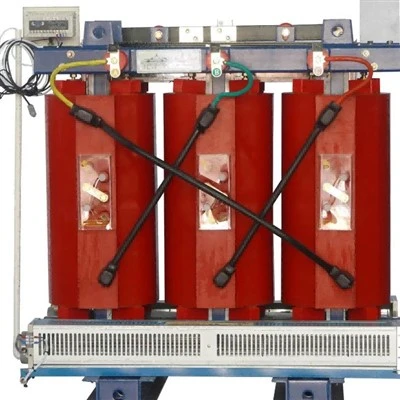
Transformer For more detailed specs and application guidelines, check the following industry references:
- NFPA 70: National Electrical Code (NEC)
- UL 467: Standard for Grounding and Bonding Equipment
- IEC 61238-1: Compression and mechanical connectors for power cables for rated voltages up to 30 kV
- Institute of Electrical and Electronics Engineers (IEEE) 141: Recommended Practice for Electric Power Distribution for Industrial Plants
EC Insulator Jiangxi Co., Ltd.
EC Insulator Jiangxi Co., Ltd. is one of the most experienced cable accessories manufacturers and suppliers in China, also supports custom service. Please feel free to wholesale advanced cable accessories made in China here from our factory. Contact us for more details.
Address: Yuanyang Road, Wuyuan County, Shangrao City, Jiangxi Province China
E-mail: info@ec-insulators.com
WebSite: https://www.eci-elecglobal.com/
