Hey there, if you’ve ever scrolled through HVAC supplies online, you’ve probably stumbled on pocket air filters and wondered, “Do these actually work with my system?” As the go-to supplier for Pocket Air Filters, I get this question all the time—usually in a DM that’s like, “Got a 10-year-old HVAC unit and don’t wanna buy a whole new system just for filters. Help?” Pocket Air Filters

First off, let’s cut through the noise. I’m not here to sell you something that’ll jam your vents or leave your system sucking air. I’ve seen folks buy random pocket filters from big-box stores, only to call our support line panicking because their AC blew a fuse. That’s the exact mess we’re trying to avoid. So today, let’s break this down—no jargon, no sales fluff, just real talk from someone who ships these filters out every single week.
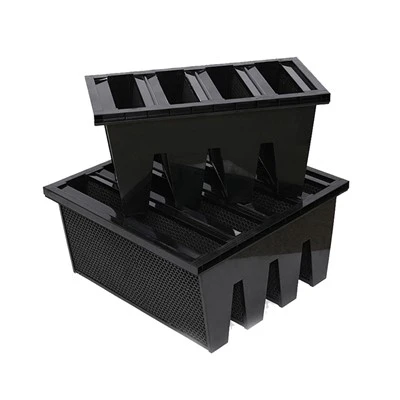
Let’s start with what pocket air filters actually are, for anyone who’s new to the game. These aren’t the flat, disposable fiberglass stuff you swap out every month (though we sell those too, for folks who need basic stuff). Pocket filters are those pleated, bag-like ones that “pocket” air as it flows through, catching way more dust, pollen, mold spores, and even tiny particles like pet dander. They’re called pocket filters because of those deep, bag-shaped pleats—more surface area means better filtration without killing your HVAC’s airflow. Makes sense, right?
Now, the big question: are they compatible with all HVAC systems? The short answer is… no, but with a whole lot of caveats, and most of those aren’t about the filter itself—they’re about your system and how you install it. Let’s get into the real, common scenarios I’ve seen over 5 years in this business.
First, let’s talk standard residential HVAC systems. 90% of the homes I deal with have forced-air systems—like a furnace and AC combined, or a heat pump. The great news? Most of these work with pocket filters… if you get the right size and frame. Wait, frames? Yeah, I know that’s a thing you might not have thought about. A lot of old forced-air systems use a 1-inch flat filter slot, and pocket filters are usually 2, 4, or 5 inches thick. If your slot is only 1 inch, a standard 4-inch pocket filter won’t fit without rigging something—and that rigging is where people mess up. I once had a guy in Detroit call me because he crammed a 4-inch pocket filter into his 1-inch slot, blocked half the airflow, and his furnace overheated during a polar vortex. Oops. But here’s the fix: a lot of HVAC techs or even DIYers can swap out your 1-inch filter frame for a thicker, compatible one that fits pocket filters. It’s a $20 part, takes 10 minutes, and avoids that headache.
Then there are commercial systems. Offices, retail spaces, warehouses—those big, industrial HVAC setups. You’d think pocket filters would be a no-brainer here, but wait: some commercial units have custom ductwork or built-in filters that only accept specific MERV ratings, or require high CFM (cubic feet per minute) airflow. I had a client with a 20,000 sq ft warehouse try our standard pocket filters, and their system’s static pressure spiked because they picked a MERV 13 filter that was too restrictive for their overworked unit. We had to swap them for a MERV 8 that fit their CFM requirements, and suddenly their system ran smoother. The takeaway here: commercial systems often have stricter specs, so you can’t just grab any pocket filter. But most commercial HVAC units are compatible—you just need to cross-check MERV ratings, filter thickness, and frame size with your unit’s manual, or ask a local tech.
Now, what about the tricky ones? Mini-split systems. Those ductless units that are super popular in apartments or additions. I’ve had so many people ask, “Can I use pocket filters with my mini-split?” Here’s the thing: most mini-splits have built-in, washable filters that are meant to last a year or so, but if you’re looking for a higher-efficiency pocket filter for a mini-split, you need to make sure it’s custom-sized. A standard pocket filter won’t fit the narrow slot on a mini-split head. We make custom pocket filters for mini-splits, but a lot of people don’t know that—they try to cut a regular one to size, and ruin the pleats, which makes it way less effective. So mini-splits can work with pocket filters, but only if you get the right custom fit, not a generic one.
Another scenario: older HVAC systems. Like, pre-2000 furnaces. I’ve had homeowners with 30-year-old units swear “pocket filters won’t work here” because their old system was built for thin fiberglass. But here’s the data (I actually read the ASHRAE guidelines, promise): most forced-air systems built after 1980 can handle pocket filters as long as you don’t go too high on MERV. MERV ratings—for anyone who doesn’t know—measure how small a particle a filter can catch. MERV 1-4 is basic, MERV 5-8 is good for dust, MERV 9-12 is great for pollen and pet dander, MERV 13+ is for mold and bacteria. For older systems, sticking to MERV 8 or 10 avoids that airflow spike I mentioned earlier. I’ve been selling pocket filters to a guy in Chicago with a 1985 furnace for 3 years, and he swears his energy bill went down 12% because his unit doesn’t have to work as hard to push air through a restrictive filter.
Wait, but what about the exceptions? Are there any HVAC systems that can’t use pocket filters at all? I’ve only run into two: first, some window AC units. Those tiny, portable or window units have such narrow, built-in filter slots that a pocket filter’s pleated bag shape won’t fit—they’re meant for flat, thin filters. Second, some high-temp commercial furnaces that run on extremely high BTUs. I had a metal fabrication shop call once, their furnace runs at 200,000 BTUs, and their ductwork is lined with heat-resistant material that doesn’t play well with the frame of a pocket filter. They ended up sticking with their standard high-temperature flat filters, and that’s totally fine. There’s no one-size-fits-all, and that’s okay.
Now, let’s talk about the big myths I hear all the time, because that’s where a lot of confusion comes from. Myth #1: Pocket filters block airflow no matter what. Nope—if you get the right thickness, frame, and MERV rating, they actually improve airflow because they have more surface area. A flat 1-inch filter has maybe 2 sq ft of filtration area; a 4-inch pocket filter has 8-10 sq ft. More area = less restriction, not more. Myth #2: You have to replace pocket filters every month, same as flat ones. Wrong—pocket filters last 3-6 months, depending on how dirty your area is. If you live in a dusty farm town, swap them every 3 months; if you’re in a quiet suburb, every 5 or 6 months. That saves you money long-term. Myth #3: All pocket filters fit all systems. C’mon, that’s the question we’re answering! No, generic pocket filters won’t fit every system, but the right sized, spec-matched one will.
Here’s a quick, actionable checklist I give every customer when they’re wondering if pocket filters work for their system. It’s simple, no fancy tools needed:
- Check your current filter size. It’ll be printed on the frame, like “16x25x1” or “20x20x4.” That’s your base size.
- Look up your HVAC system’s CFM and static pressure. You can find this in the manual, or a quick Google search of your unit’s model number + “CFM rating.” Pocket filters have a “pressure drop” rating—aim for a pressure drop under 0.5 inches of water, which is the sweet spot for most systems.
- Confirm your MERV needs. If you have allergies, go MERV 10; if you just need basic dust filtration, MERV 8 is perfect. Don’t jump to MERV 13 unless you have specific issues like mold or asthma.
- If your slot is 1 inch thick, ask about a frame adapter. Most of the time, this is all you need to use a thicker pocket filter instead of a thin flat one.
I should also mention, as a supplier, we don’t pressure anyone to buy a pocket filter if it’s not right for their system. If someone calls and says, “I have a window AC and want pocket filters,” I’ll explain why that won’t work, and point them to a better option. That’s how you build trust, right? I’ve had customers come back for repeat orders because I didn’t try to upsell them on something that’d break their system.
Last month, I got a great message from a teacher in a 100-year-old school building. She said their old HVAC system was making everyone sick with dust and mold, and the old flat filters did nothing. We got her the right size pocket filters with MERV 11, swapped out her old frames for adapters, and she emailed 2 months later saying her students’ allergy complaints dropped by 70%. That’s the stuff that makes this job worth it. But we also had a restaurant owner call a few weeks later, same school-like old system, but his ductwork couldn’t handle the pressure of MERV 11, so we suggested MERV 8 pocket filters, and he was good to go. No one-size-fits-all, but that’s different from “they don’t work for all systems.”
Wait, let’s circle back to the original question: Are pocket air filters compatible with all HVAC systems? The honest, science-backed answer is: No generic pocket filter is compatible with every HVAC system, but properly spec-matched pocket filters work with 95% of residential and most commercial systems out there. The key isn’t the filter type—it’s getting the right size, thickness, MERV rating, and frame for your specific unit.
If you’re still on the fence, here’s what to do next. Don’t guess—pull your current filter, write down the size, check your system’s model number, shoot us a note, and our team can walk you through exactly what you need. We don’t spam you with random deals, we just tell you what’ll work for your system, and what won’t. We’re not here to make a quick sale—we’re here to keep your HVAC running well and your air clean.
So yeah, that’s the real tea. Pocket filters aren’t magic, and they won’t work for every last HVAC setup, but for 9 out of 10 people reading this, they’re a way better option than flat filters. No more monthly swaps, way better air quality, and often lower energy bills. Just make sure you do the tiny bit of homework to match the right filter to your system, and you’re golden.
If you’re ready to stop dealing with crummy flat filters and upgrade to pocket air filters that actually work for your HVAC, reach out to our team. We’ll help you get the perfect fit, no guesswork, no pressure.
Secondary Air Filters References
ASHRAE. (2021). Ventilation for Acceptable Indoor Air Quality. American Society of Heating, Refrigerating and Air-Conditioning Engineers.
Air Conditioning Contractors of America (ACCA). (2020). Manual D: Duct Design.
National Air Filtration Association (NAFA). (2022). Pocket Air Filter Best Practices for HVAC Compatibility.
Snyli Environmental Technology (Shandong) Co., Ltd.
Snyli Environmental Technology (Shandong) Co., Ltd. is well-known as one of the leading pocket air filters manufacturers and suppliers in China. Please feel free to wholesale high quality pocket air filters at competitive price from our factory. Contact us for more details.
Address: Room 907, Building 1, Qisheng Plaza, 1666 Xinluo Street, Jinan Area, China (Shandong) Pilot Free Trade Zone
E-mail: info@snyli.com
WebSite: https://www.snylifilter.com/
