If you’ve ever stood on the side of a freshly laid, smooth stretch of highway, a neighborhood side street, or even a large commercial parking lot and wondered how that uniform, level surface comes together, the answer almost always circles back to one road work workhorse: the paver. As a road machinery supplier, I field questions about pavers every single day—from new contractors just starting out who want to understand what these machines actually do, to seasoned project managers who need to troubleshoot a mid-job hiccup. Most people don’t realize a paver isn’t just a big metal box that dumps asphalt on the ground; it’s a precision-engineered piece of equipment that determines the quality, durability, and even the lifespan of the road we all drive on. Road Machinery

Let’s break this down from the ground up. At its core, a road paver is a self-propelled machine designed to lay down paving material—most commonly hot mix asphalt (HMA), but also concrete for heavy-duty applications like interstate runs, or even specialty materials for porous pavements—on a prepared road bed. It doesn’t just dump material anywhere, either; it’s programmed to spread that material evenly, compact it partially, and shape it to exact specifications, so a crew doesn’t have to manually rake and tamp every inch of new road.
What makes a paver so much more than a glorified dump truck is its suite of integrated components, each with a critical job. The first is the hopper, the large, open basin at the front of the machine. This is where dump trucks deliver fresh hot asphalt, and it’s built to hold several tons of material at once, so the paver doesn’t have to pause constantly to refill. Attached to the hopper are extendable conveyor belts that move asphalt backward, away from the truck, and a set of rotating augers that spread the material evenly across the full width of the paver’s “screed” area. Without these augers, asphalt would clump up on one side or the other, leading to uneven thickness and a rough surface.
Then comes the screed—this is the part of the paver that most people picture when they think of how a road gets shaped. The screed is a long, flat, vibrating metal plate at the back of the paver, and it’s adjustable in height, angle, and even width to match the project requirements. For a small residential street, a screed might only be 10 feet wide; for an interstate highway, it can extend to 20 feet or more. The screed does two key jobs: first, it levels the asphalt that the augers have spread, and second, it applies a gentle, consistent vibration that partially compacts the asphalt right as it’s laid. This initial compaction saves the final rollers from having to do as much work, and it ensures the asphalt is dense enough to keep air and water out later—water is one of the biggest causes of potholes and road degradation, so this step is non-negotiable.
But what really sets modern pavers apart from the machines of 20 years ago is their automation. I’ve seen old pavers that required two operators: one to drive the machine and adjust material flow, and another to manually adjust the screed’s alignment as they went. Today’s pavers come with 3D stringless guidance systems that use GPS or laser transmitters to follow pre-programmed grade and slope data from the project plans. That means the screed automatically adjusts its height to match the road’s intended crown (the slight arch in the middle of the road that lets water run off to the shoulders) without anyone having to adjust it manually. For a contractor, this doesn’t just save time— it reduces human error, cuts down on waste from uneven asphalt, and helps projects stay on schedule even in tough conditions like rain or low light.
Now, you might be wondering why a regular dump truck can’t do the job of a paver. It’s a fair question, especially for small jobs like a driveway or a small parking lot. Let’s do a quick comparison: if you tried to dump asphalt from a truck onto a road bed and level it by hand, you’d end up with lumps, uneven thickness, and spots that compact inconsistently. Within a year, those spots would turn into potholes, and the whole road would need to be patched. A paver ensures that every inch of the new pavement is laid to the same thickness, usually between 2 and 4 inches for most roads, and that the asphalt is spread at a controlled temperature (hot asphalt has to be laid at around 275 to 300 degrees Fahrenheit to compact properly, so the paver’s design also helps keep that temperature consistent as it moves, preventing premature cooling that ruins the material’s integrity).
Of course, pavers aren’t one-size-fits-all. There are different types of pavers built for different jobs, and as a supplier, I make sure my team recommends the right one for every client’s project. For example, tracked pavers are the standard for most large commercial and highway jobs. The tracks provide better traction on loose road bed material, especially on steep slopes or uneven terrain, and they distribute the paver’s weight more evenly, so it doesn’t sink into the ground during long runs. For smaller jobs—like residential streets, sidewalks, or small parking lots—wheel-mounted pavers are a popular choice. They’re lighter, more maneuverable, and faster to move between job sites without needing a transport truck, which saves time and money on small projects.
Then there are specialty pavers for niche applications. Slip-form pavers, for example, are used for concrete paving, especially for roads that need to be extra heavy-duty, like interstates or airport runways. Unlike asphalt pavers that lay HMA, slip-form pavers extrude wet concrete directly into the shape of the road as they move, using a moving form that eliminates the need for separate forms. These are precision machines, built to handle the weight and volume of concrete, and they’re essential for projects that need to last 50 years or more. There are also pavers for porous pavement, a growing type of eco-friendly road that lets water filter through instead of running off into storm drains. These pavers have adjustable screeds that lay a specific, open-graded asphalt mix, and they’re designed to handle the unique requirements of porous material without breaking it down.
Even with all this tech, a paver is only as good as the operator running it. I’ve worked with contractors who buy the most advanced GPS paver on the market, but their operators don’t know how to adjust the material flow if a dump truck is delivering asphalt a little too fast, so the machine clogs and leaves lumps. That’s why as a supplier, we don’t just sell machines—we provide training, too. Understanding how to read the paver’s controls, adjust the auger speed to match the screed’s forward movement, and respond to on-site conditions (like wind that can cool asphalt faster on one side) is just as important as the machine itself.
One of the most common mistakes I see new contractors make is trying to use a paver for a job it wasn’t built for. A wheel paver might seem like a good deal for a 1-mile county road, but if that road is built on soft, recently graded soil, the tracks of a tracked paver will prevent it from sinking and ruining the road bed. On the flip side, buying a large highway paver for a small parking lot means you’ll be dealing with a machine that’s too big, hard to maneuver, and wastes material by laying wider strips than you need. It’s all about matching the paver’s size, features, and capabilities to the scope of the job.
Another key point to understand is the role of the paver in the overall road construction process. The road has to be prepared first: the old surface is milled off, or a new road bed is graded and compacted with rollers. The paver then lays the asphalt in longitudinal strips, usually 12 to 20 feet wide, depending on the machine. The next crew follows right behind the paver with a series of rollers that compact the asphalt to its final density—usually around 95% of the maximum possible density, which is what gives the road its strength and resistance to wear. The paver’s initial compaction step makes the rollers’ job much easier, so without that first pass, the rollers would have to work twice as hard, leading to longer job times and higher wear on equipment.
As road technology advances, pavers are getting smarter all the time. New models come with telematics systems that let operators and project managers track the paver’s location, material usage, screed alignment, and engine performance in real time. This data is invaluable for keeping projects on budget and on schedule; if a paver is using 10% more asphalt than expected, managers can catch the issue early instead of finding out halfway through the job that they’re over budget. Some pavers even have temperature sensors that track the asphalt’s temperature as it’s laid, alerting operators if the material is getting too cool, which is a critical safety feature—once asphalt drops below 250 degrees, it can’t be compacted properly, so the whole strip has to be removed and redone.
For anyone in the road construction industry, whether you’re a small business owner with a handful of crews or a project manager overseeing a major highway expansion, choosing the right paver is one of the most important decisions you’ll make. A high-quality paver doesn’t just lay a better road—it reduces downtime, cuts material waste, extends the lifespan of your equipment, and keeps your projects profitable. I’ve seen contractors upgrade from old, manual pavers to modern, automated models and cut their project times by 20% or more, just from the reduction in manual adjustments and less time waiting for material to cool.
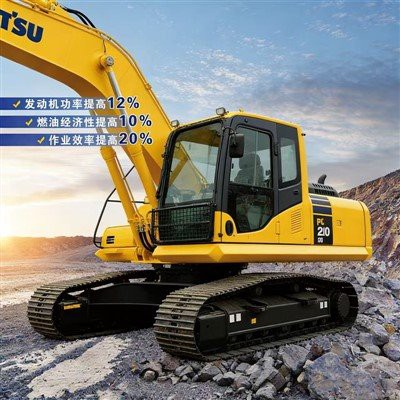
If you’re in the market for a road paver, or you have questions about which type is right for your next project, I encourage you to reach out. Our team has years of experience working with contractors on everything from small residential jobs to large-scale highway projects, and we can help you find a machine that fits your needs, your budget, and your long-term goals. Whether you need a tracked asphalt paver for a county road or a slip-form paver for a concrete runway, we have the expertise to guide you through every step, from selecting the right model to providing training and ongoing support to keep your equipment running at its best.
Tank Semi-trailer References
- Institute of Transportation Engineers. (2021). Manual of Transportation Engineering Studies (3rd ed.). Institute of Transportation Engineers.
- Asphalt Pavement Alliance. (2020). Hot Mix Asphalt Construction Guidelines. Asphalt Pavement Alliance.
- National Aggregates Association. (2019). Slip-Form Concrete Paving Technology for Modern Road Construction. National Aggregates Association.
- Construction Equipment Association. (2022). Paver Selection and Operation Best Practices for Road Work. Construction Equipment Association.
Liangshan Guanyue Auto Trading Co., Ltd.
As one of the leading road machinery manufacturers and suppliers in China, we warmly welcome you to buy bulk high quality road machinery at low price from our factory. If you have any enquiry about pricelist and quotation, please feel free to email us.
Address: Liangshan County, Jining City, Shandong Province
E-mail: guanyuetruck@gmail.com
WebSite: https://www.gytruck.com/
