If you’ve ever spotted one of those big electric trikes zooming through city streets, hauling everything from grocery pallets to construction supplies, you might’ve glanced at their tires and thought, “Wait, those aren’t like the tires on my car or my bike.” As a cargo electric tricycle supplier, I get questions about tires all the time—from new fleet operators to small business owners grabbing their first trike. Let me break down what makes these tires different, why they matter, and what you should look for when picking the right set. Cargo Electric Tricycle
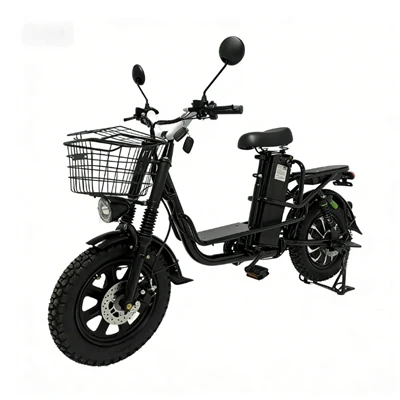
First off, let’s stop lumping cargo e-trike tires into the same category as passenger vehicle tires. These trikes aren’t just for carrying people—they’re built for heavy loads, stop-and-go traffic, potholed side streets, and sometimes even rough farm access roads. So the tire type isn’t a one-size-fits-all deal. Most of the ones we spec on our trikes right now are pneumatic (air-filled) tires, but there’s a growing push for solid rubber tires too, depending on how the trike’s gonna be used.
Pneumatic tires are the standard for most city-based cargo e-trikes, and for good reason. They absorb way more shock than solid rubber—so if you’re hauling fragile stuff like produce or electronics, that bounce keeps cargo from getting banged up. But not just any pneumatic tire will do. We don’t use the skinny 1.5-inch tires you see on a regular e-bike. Cargo trikes need wider treads, usually 3 to 4 inches, because weight (we’re talking 500 to 1,000 lbs loaded, easy) spreads out over a bigger contact patch with the road. That means better traction—no slipping when you’re accelerating from a red light or braking suddenly on wet pavement. Also, they’re tubeless half the time these days, which cuts down on flats way more than tube-type tires. Before, a single nail would leave you stranded on the side of the road, but tubeless pneumatic tires seal small punctures on their own, so you can just keep rolling to your spot.
But here’s the thing: pneumatic tires have a downside. If you’re running a trike on really rough ground—like a construction site or a dirt road with lots of sharp rocks—you’re gonna get flats. A lot. That’s why solid rubber tires are a big pick for off-road or heavy-duty commercial use. Solid tires are literally just a chunk of rubber molded onto the wheel, no air needed. No flats, no messing with tire pressure, super low maintenance. The catch? They’re way harsher on the ride. The bounce you get from pneumatic tires is gone, so heavy cargo might feel more jostled, and riders get a bumpier trip. We’ve seen customers use solid tires for trikes that do 80% of their work on construction sites, but we always warn them: if you’re hauling goods that can break (like glass or baked goods), solid tires might not be the best call.
Now, let’s talk about tread patterns. That’s another huge factor most people don’t notice. City trikes usually get a smooth or semi-slick tread—they’re designed for pavement, so the wider contact patch gives better grip on asphalt. Off-road trikes? Deep, aggressive lugs, like ATV tires. Those lugs dig into dirt or gravel so you don’t spin out. For our fleet customers who run routes in both city and rural areas, we spec a middle ground—medium lugs that work on both, not too deep to get clogged with mud, not too flat to lose traction on grass.
Tire load rating is non-negotiable for cargo e-trikes. A regular bike tire might be rated for 100 lbs max, but these tires need to handle way more. When we design our trikes, we pair them with tires that have a load rating at least 20% higher than the trike’s maximum cargo capacity. Why? Because when you’re loaded down, the tire’s air pressure drops a little, and the rubber stretches. If you skimp on load rating, the tire will wear out way faster—like, half the lifespan it should, and you might even get a blowout mid-run. I’ve seen this happen with a customer who tried to save a few bucks on cheap tires, and they had a blowout on a busy highway, delaying their delivery by hours. Not worth the hassle.
Another thing people overlook: tire pressure. Even the best tire is useless if it’s not inflated right. Too low, and you’re wasting battery power—more rubber touching the road means more friction, so your trike uses extra juice to move. Too high, and you lose traction and get more flats from hitting potholes. We include a pressure gauge with every trike we sell, and we train our customers to check pressure once a week, especially before long runs. For pneumatic tires, it’s usually around 40-50 PSI, but we mark the exact number on the side of each tire so there’s no guesswork.
What about specialty tires? We’ve had requests for tires with built-in puncture protection layers, like Kevlar belts, and they’re a game-changer for urban areas with lots of broken glass. They add a tiny bit of weight, but the tradeoff is way fewer flats, which is huge for delivery drivers who can’t afford to be stuck waiting for a repair. We also run low-profile tires for trikes that need to navigate tight warehouse aisles—they’re shorter, so the trike can fit under loading docks or through narrow doorways, which is a must for businesses that do last-mile deliveries in dense commercial zones.
As a supplier, we work closely with our tire manufacturers to test different options. Last year, we tried a brand of solid rubber tires that were marketed as “city-friendly” but ended up being too stiff—customers complained about damaged cargo. So we switched back to a hybrid: solid center for stability, pneumatic sidewalls for cushioning. That’s become our go-to for mixed-use trikes. It’s the best of both worlds—no flats for most urban stops, and enough bounce to protect stuff like produce or small packages.
I know picking the right tire can feel overwhelming, especially if you’re new to running cargo e-trikes. A lot of people just go with whatever the cheapest option is, but that’s a mistake. Tires are the only part of your trike that touches the road—they affect fuel efficiency (or battery life, in this case), safety, and how fast you can make your deliveries.
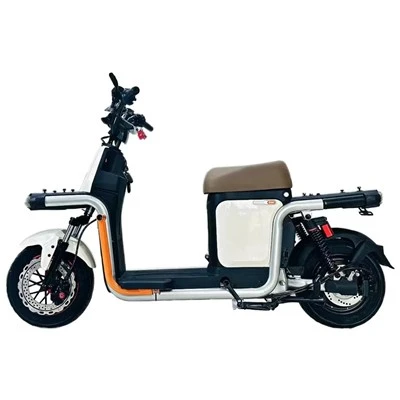
If you’re looking to outfit a single trike or a whole fleet, we can help you pick the exact tire type that fits your use case. Whether you’re running deliveries in downtown sidewalks, hauling supplies around a farm, or moving pallets in a warehouse, we’ve got options that balance durability, cost, and performance. Shoot us a message to chat through your needs—we’ll walk you through different tire specs, load ratings, and even give you tips on how to extend your tire’s life (like avoiding sharp curbs and keeping pressure consistent). Don’t wait until a flat or a bad tire ruins your day—reach out, and we’ll make sure you get the right set for your cargo e-trike.
Electric Tricycle References
- International Journal of Vehicle Structures and Systems. "Performance Analysis of Pneumatic vs. Solid Tires for Light Commercial Electric Vehicles." 2022.
- Electric Vehicle Association of North America. "Cargo E-Trike Maintenance Guide: Tire Selection and Care." 2023.
- Tire Industry Association. "Load Rating Standards for Light-Duty Commercial Tires." 2021.
- Urban Delivery Solutions. "Infrastructure and Vehicle Compatibility for Last-Mile Cargo E-Trikes." 2022.
Linyi Lanshan Merco Electric Bicycle Factory
Linyi Lanshan Merco Electric Bicycle Factory is one of the most professional cargo electric tricycle manufacturers and suppliers in China, also supports customized service. Please feel free to wholesale CE approved cargo electric tricycle made in China here and get pricelist from our factory. 1 years warranty is available.
Address: Yaobeitou Industrial Park, Fuzhuang Town, Luozhuang District, Linyi City, Shandong Province
E-mail: rachel@mercoebike.com
WebSite: https://www.mercoebike.com/
