Hey there, fellow industrial folks! If you’re running a slitting machine operation—whether it’s for converting raw steel coils into precise strips, unwinding plastic films for packaging, or slicing fabric for textiles—you know one thing for sure: a slowdown or breakdown on your slitting machine doesn’t just disrupt your schedule. It kills your deadlines, eats into profits, and leaves your team scrambling to catch up. As someone who’s been supplying industrial slitting machines for over a decade now, I’ve heard every horror story: a machine that stops mid-run because of a misaligned blade, a coil that tears because of improper tension settings, or a routine maintenance check that got skipped and turned into a $10k repair job. Today, I’m breaking down the real, actionable steps to keep your slitter running smooth—no fancy jargon, just what works for shops like yours. Industrial Slitting Machine
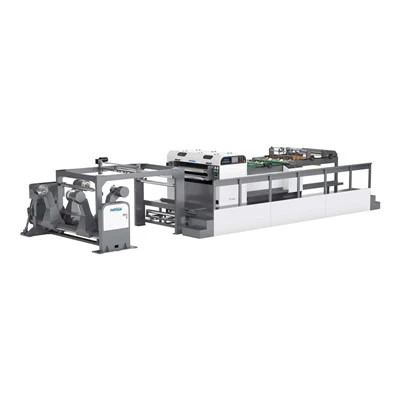
First off, let’s get one thing straight: smooth operation doesn’t happen by accident. It’s a mix of pre-run prep, in-the-moment checks, and consistent upkeep that’s easy to fall behind on. I’ve seen small fabricators with 2 slitting machines outperform big factories with 10 because they stick to the basics. Let’s start with the stuff you should do before you even hit the “start” button. No, I’m not talking about a quick once-over with a broom—we’re talking about validating the three most critical parts of your slitter: blades, tension control, and coil alignment.
Blades are the workhorse of any slitting machine, and let’s be real—most people either run them until they’re dull or change them too often, wasting money. Here’s the sweet spot: how do you tell if a blade’s still good? If you’re slitting thin materials (like foil or lightweight film), a dull blade will leave burrs or cause edge tears within the first 100 feet of a run. For thicker materials (steel, heavy fabric), you’ll notice uneven cuts or the machine straining to pull the coil through. The big mistake I see is using the wrong blade type for the material. You can’t use a general-purpose slitting blade for stainless steel any more than you’d use a butter knife to cut a plate. If you’re not sure which blades to pair with your machine, we always tell our customers: call us before you order—we’ll walk you through it, no sales pitch, just facts. Another blade tip: don’t forget to check the blade gap. Even a tiny misadjustment (like 0.001 inches off) can ruin a whole coil. For every material, there’s a specific gap setting—we include a cheat sheet with every machine we sell, and if you lose yours, just reach out.
Next up, tension control. This is the #1 cause of mid-run disasters, trust me. Too little tension, and the coil will slack, wrinkle, or even tangle around the machine’s rolls. Too much tension, and you’ll stretch the material, cause breaks, or warp the slitted strips. Here’s the thing: tension isn’t a one-size-fits-all number. It changes based on the material’s thickness, width, and even ambient temperature. On hot, humid days, plastic film can stretch easier, so you need to dial tension down a little. On cold days, steel gets stiffer, so you can bump it up slightly. The key here is to use your machine’s tension gauge, but also do a test run. Slit a 50-foot test strip, stop, and check the edges—no wrinkles, no slack, and the strip should feel tight but not so tight it’s hard to pull with your hand. If it’s too loose, turn the tension knob up a quarter turn; too tight, turn it down. Simple, right? I’ve had customers text me at 2 a.m. panicking because their slitter was tearing coils—9 times out of 10, it was a tension adjustment that was off by just a couple notches.
Coil alignment is another big one. If the coil isn’t sitting straight on the unwind stand, you’ll have slitted strips that are uneven widths, or the edge of the coil will dig into the machine’s side, causing premature wear. How to check this? When you load a new coil, leave 10 feet hanging, and run the machine at slow speed (100 feet per minute, not full speed) to watch if the edge stays straight. If it drifts left or right, adjust the guide rolls until it’s centered. A lot of newer operators skip this step because they’re in a hurry to get production going, but that 2-minute check saves you from reworking hundreds of feet of material later.
Now, what about while the machine is running? A lot of folks think once you hit start, you can walk away and do other jobs. Don’t do that. Even a “smooth” run will throw up small issues that you can catch early if you’re monitoring. First, listen to the machine. Slitting machines make a consistent, low hum when they’re running right. If you hear a squeal, a rattle, or a sudden change in pitch, stop what you’re doing and check. That squeal could be a blade rubbing against a roll, which will dull your blade fast. A rattle might be a loose bolt on the unwind stand, which could cause a coil to shift and crash. Second, check the edges of the slitted strips every 200-300 feet. Even if you did a test run, sometimes a small piece of debris (a tiny metal shard, a fold in the material) will get caught on the blade and cause defects. Catching that early means you only lose a few feet, not a whole coil. And don’t forget to check the waste edge (the part you’re not using). If that’s tearing, it’s a sign your tension is off, and fixing that will prevent problems on the main strips.
But here’s the part that most people overlook: routine maintenance, not just when something breaks. I can’t tell you how many times a customer has said, “My machine worked great for 2 years, then suddenly it broke!” The truth is, it didn’t suddenly break—you skipped 6 months of oiling the gears, cleaning the sensor, and tightening the bolts. Maintenance doesn’t have to be complicated, and we give every customer a simple maintenance schedule with their machine. Let’s break it down by frequency:
Daily, before the first run: Wipe down the blades and roll surfaces to remove any leftover debris from the last run. Loose material on the blades is a quick way to cause tears. Check that all the bolts on the unwind stand and slitting head are tight—vibration from running will loosen them over time. And take 2 minutes to inspect the tension gauge to make sure it’s calibrated (if it’s off, your test runs will be wrong).
Weekly: Oil the moving parts—specifically the blade holder, the tension rolls, and the unwind stand’s bearings. Use the oil we supply with the machine, not whatever you have lying around—using the wrong oil can gunk up the gears. Also, clean the optical sensor if you have one (a lot of mid-range and high-end slitters use sensors to align coils). Dust on the sensor will make it misread the coil edge, causing alignment issues. Wipe it with a soft cloth, no harsh chemicals.
Monthly: Check the blade sharpness again (even if you changed them last month), and inspect the surface of the slitting rolls. If there’s a scratch or a dent on a roll, it will leave a mark on every strip that runs over it. If you see damage, don’t wait—replace the roll, because a $200 roll is way cheaper than reworking $2000 worth of material. Also, test the emergency stop button. I know it seems silly, but if it doesn’t work when you need it, it can lead to a serious accident or a total machine breakdown.
Quarterly: Calibrate the entire machine’s tension and alignment settings. Even if you’re careful, vibration and wear will shift things over time. If you’re not comfortable doing this yourself, we offer on-site calibration for our customers, or we can walk you through it over a video call. No need to pay a big service fee when we can help you do it at your shop.
Now, let’s talk about the stuff that’s specific to different materials, because slitting machines aren’t one-size-fits-all. If you’re slitting thin, flexible materials (foil, plastic film), you can’t run them as fast as thicker materials. High speed for thin film means it’s more likely to wrinkle or break. For steel or heavy fabric, you can go faster, but you need to make sure your blades are sharp enough to handle the thickness. Also, for sensitive materials (like food-grade packaging film), you need to make sure the blades and rolls are completely clean—no oil residue, because that can contaminate the product. We actually supply food-grade compatible blade sets for our customers in that industry, so just ask if you need them.
Another common mistake: not training your operators correctly. I’ve seen a seasoned operator run a machine flawlessly, while a new hire with the same machine has nonstop issues. It’s not the machine’s fault—it’s the operator knowing how to adjust it. When you get a new slitting machine (or train a new employee), don’t just hand them the manual and say “good luck.” We offer on-site training for every customer, and we’re always available to hop on a call and walk an operator through a problem, even after they’ve had the machine for a year. I’d rather spend 10 minutes on a call fixing a small issue than have a customer’s machine be down for 8 hours because of a preventable mistake.
Wait, let’s address a common fear: “Maintenance takes too much time, I can’t afford to shut down the machine.” Let’s do the math. If you spend 15 minutes a day on prep, 30 minutes a week on maintenance, and 2 hours a month on calibration—total, that’s like 2 hours a month. If you skip that, and your machine breaks once a quarter, that’s 4 hours of downtime, plus $500 in repair parts. And that’s not counting the lost revenue from delayed orders. Trust me, those 2 hours are way worth it.
Now, what if you’re dealing with an old slitting machine, not one of our new models? A lot of small shops have machines that are 10, 20 years old, and they’re still running. The same rules apply, but you might need to adjust a few things. For older machines, the tension gauges might not be as accurate, so rely more on test runs. The blades might be harder to adjust, so take extra time to check the gap. And if you’re thinking about upgrading, don’t just buy the biggest machine you can find—tell us what materials you’re slitting, how fast you need to run, and your budget, and we’ll point you to the right model. We’re not here to sell you a machine you don’t need—we’re here to help your shop run better.
Let me wrap this up with a quick checklist you can stick on your machine to keep yourself accountable:
- Pre-run: Check blades (sharp, correct gap), align coil, adjust tension, test 50ft strip
- Mid-run: Listen for odd noises, check strips every 200ft, monitor tension
- Daily maintenance: Clean blades/rolls, tighten bolts, check emergency stop
- Weekly: Oil moving parts, clean sensors
- Monthly: Inspect rolls, test blade sharpness
- Quarterly: Calibrate tension/alignment
And if you ever run into a problem—whether it’s a minor adjustment, a dull blade, or a bigger issue—don’t wait to call. We’ve been in this business long enough to fix almost any slitting machine issue, and we’re here to help you get back up and running fast. No automated phone trees, no sales pitches—just real people who know slitting machines inside and out.

So that’s the real deal, no fluff, no fancy marketing. Smooth operation for an industrial slitting machine is all about paying attention to the small stuff, sticking to a routine, and knowing your machine and materials. If you’re in the market for a new slitting machine, or you need help maintaining the one you have, reach out to us to talk through your needs. We’re always happy to answer questions and make sure you get the right machine and support for your shop.
Industrial Slitting Machine References:
- Industrial Slitting Machine Maintenance Best Practices, National Association of Metal Forming, 2022
- Slitting Blade Selection Guide, Association for Packaging and Processing Technologies, 2023
- Tension Control for Web Processing Equipment, Machinery Lubrication Magazine, Vol. 21, No. 4, 2021
Honghui Machinery Equipment Co., Ltd.
As one of the most professional industrial slitting machine manufacturers in China, we have world-leading production equipment and strong manufacturing capabilities. Please rest assured to buy advanced industrial slitting machine made in China here from our factory. We also accept customized orders.
Address: No. 28, Liuheng Road, Changping Town, Dongguan City, Guangdong Province, China
E-mail: Steve@cnhohui.com
WebSite: https://www.cnhohui.com/
