As a fungicides supplier, I get asked some version of “Are these chemicals safe for humans” at least a few times a week. Sometimes it comes from a farmer worried about following label rules, sometimes from a home gardener who saw a scare on social media, and recently even from a kid whose dad is trying to decide what’s safe for his backyard raised beds. The question isn’t a simple yes or no, either—if you look at the research, the answer ties to how the product is used, the active ingredient, exposure levels, and a lot of small details that aren’t always included in viral clips or soundbites. I wanted to break down what our team at [Fungicides Supplier Name] tells our clients every day, the data we rely on, and how we work to keep people protected while still protecting their crops. Fungicides

First, let’s start with the basics: what makes a fungicide a fungicide, and why that matters for human safety. Fungi are a separate kingdom from plants or animals, and most fungicides work by targeting something unique to fungal cells—not human or animal cells. That’s a core design point. For example, many of the systemic fungicides we offer target a enzyme only found in fungi’s cell walls, or disrupt their ability to produce energy in a way humans don’t use. That doesn’t mean they’re 100% harmless, but it does mean they have a lower risk of side effects than chemicals that target processes common to all living things, like nerve function. That said, there are old, broad-spectrum fungicides from decades ago that don’t follow that rule, and those are rarely used by responsible suppliers anymore because of their higher non-target risk. Our team only partners with formulations that go through years of testing before they hit the market, so we don’t carry anything that doesn’t meet strict safety thresholds for human exposure.
The biggest mistake people make with safety discussions is mixing up “safe enough for intended use” with “totally non-toxic in all amounts.” Water is a great example—drink too much of it too fast and you can get water intoxication, but no one bans drinking water because of that. Fungicides follow the same logic. The US Environmental Protection Agency (EPA), European Food Safety Authority (EFSA), and other global regulators set “acute reference doses” (ARfDs) and “acceptable daily intakes” (ADIs) that are levels of exposure scientists agree are safe for humans over a lifetime, even for groups like children, pregnant people, or people with pre-existing health conditions. When we test our products, we make sure that someone who follows all label instructions will never reach those ADI or ARfD levels.
Let’s get specific about real-world exposure, because that’s where most of the misinformation lives. The two main ways people come into contact with fungicides are: 1) direct occupational exposure, for farmers, spray technicians, or anyone handling undiluted product, and 2) dietary exposure, from small residues on food. For occupational exposure, regulators require specific personal protective equipment (PPE): gloves, goggles, long sleeves, respirators for larger applications, even coveralls. Studies from the National Institute for Occupational Safety and Health (NIOSH) on farm workers who use modern fungicides regularly show that when PPE is used correctly, long-term exposure levels are well below safety limits. That’s not a guess—we’ve worked with dozens of local growers over the past 12 years, and most of them have been using our products without any reported health issues linked to fungicide use.
Dietary exposure is another story entirely, and it’s the one that pops up in headlines the most. The amount of fungicide residue left on a tomato or a head of lettuce is tiny—parts per million, not parts per thousand. For context, the ADI for the most common fungicides we supply (like triazoles or strobilurins) is 0.1 milligrams per kilogram of body weight per day. A 150-pound adult would hit that limit only if they ate 75 pounds of tomatoes every single day, and that’s before you account for washing produce (which removes 50-90% of surface residues), cooking, and the fact that most foods don’t even reach the maximum allowed residue level set by regulators. The 2023 Joint FAO/WHO Meeting on Pesticide Residues (JMPR) report backed this up, finding that 99.7% of all food samples tested globally had fungicide residues below the ADI. That doesn’t mean residues never exist, just that they’re too small to cause harm.
Of course, there are exceptions, and it’s important to be honest about them. Some older fungicides, like those containing mancozeb, were linked to potential reproductive risks in very high, long-term studies on lab animals—especially when animals were given doses far higher than any human would ever encounter. But regulators re-evaluated mancozeb a decade ago, and its registered use now includes strict application limits and PPE requirements to keep occupational exposure below the threshold where those risks show up. At our company, we stopped offering high-mancozeb formulations five years ago because we prioritize products that have a wider margin of safety for both workers and consumers. We also don’t supply any fungicides that are banned for residential use for safety reasons—no foggers for home interiors, no concentrated products that kids can access, because we know even small, unintended exposure can be dangerous for toddlers who might touch a treated surface or eat a plant.
Another point that’s rarely discussed: the alternative to using fungicides is often worse for human health. Fungal diseases don’t just ruin crops—they can produce mycotoxins, which are far more toxic to humans than most fungicides. Aflatoxin, produced by Aspergillus fungi on corn or peanuts, is a known carcinogen, and in parts of sub-Saharan Africa, up to 30% of staple crops are contaminated with aflatoxin because farmers can’t access effective fungicides. In the US, grain elevators use fungicides to prevent mold growth, which protects both crop yields and public health by reducing mycotoxin exposure. For small-scale vegetable growers, using a fungicide to prevent late blight (the same disease that caused the Irish Potato Famine) means they don’t lose their entire crop, and don’t have to eat moldy produce that could make them sick. That’s a tradeoff we talk about with every new client: we’re not here to sell chemicals for the sake of chemicals, we’re here to help people protect their crops and their own health at the same time.
I also want to address common myths that circulate online. For example, some people claim fungicides cause immune system issues, but the peer-reviewed research doesn’t support that. A 2022 review in the Journal of Exposure Science and Environmental Epidemiology looked at 20 years of data on farm workers using modern fungicides and found no consistent link to immune dysfunction, when PPE was used correctly. Another myth: “organic fungicides are safer.” Wait, let’s be clear—most organic fungicides, like copper-based products, are toxic in high doses. Copper is a heavy metal that can build up in soil and cause liver or kidney damage in humans if ingested in large amounts, even if it’s “natural.” That doesn’t make organic fungicides bad, it means safety still depends on use, not whether a label says “organic.” We offer both conventional and organic fungicides, and we tell clients the same thing about all of them: follow the label, use the right PPE, and exposure will be safe.
As a supplier, our responsibility goes beyond just selling products. We offer free training to all our clients, from small home gardeners to large commercial farms, on how to apply fungicides safely. That includes teaching them how to calculate the right dosage (overapplying doesn’t make it more effective, it just increases unnecessary exposure), how to store products so they’re not accessible to kids or pets, and how to dispose of leftover spray mix properly, so it doesn’t run off into drinking water. We also track every product we distribute, keeping records of where it’s used, so if there’s ever a safety update from a regulator, we can reach out to our clients immediately. Last year, we had a few clients ask about a new study on a minor component of a fungicide formulation, and we shared the full data with them, along with guidance on adjusting their application rate to stay within the new safety recommendations. That’s the kind of transparency we think is non-negotiable.
What about vulnerable groups? Children, elderly people, and people with chronic conditions—they’re often the most concerned about exposure, and we take that seriously. Regulators already set ADIs and ARfDs to account for these groups, so all our products are formulated to stay well below those limits even for a 5-year-old who might accidentally eat a small piece of treated fruit. We also advise parents who have vegetable gardens to apply fungicides at least 7-10 days before harvest, which gives any surface residues time to break down naturally, and to wash produce thoroughly before eating. We even share a list of produce-specific wash tips with our clients, because removing residues is just as important as choosing the right fungicide.
I know there are people who will read this and still say “any chemical is too risky.” That’s a valid perspective, but I’ve seen both sides: I’ve seen farmers lose their entire crop to mold because they refused to use a fungicide, leaving their family without income. I’ve worked with a group of urban community gardeners who used our organic fungicide to stop tomato blight, and were able to give hundreds of pounds of safe, edible produce to their neighborhood food bank. I’ve also met with a team of toxicologists who helped us refine our safety guidelines, and they told me the big mistake is demonizing all fungicides without context. The difference between a safe product and a dangerous one is rarely the product itself—it’s how it’s used.
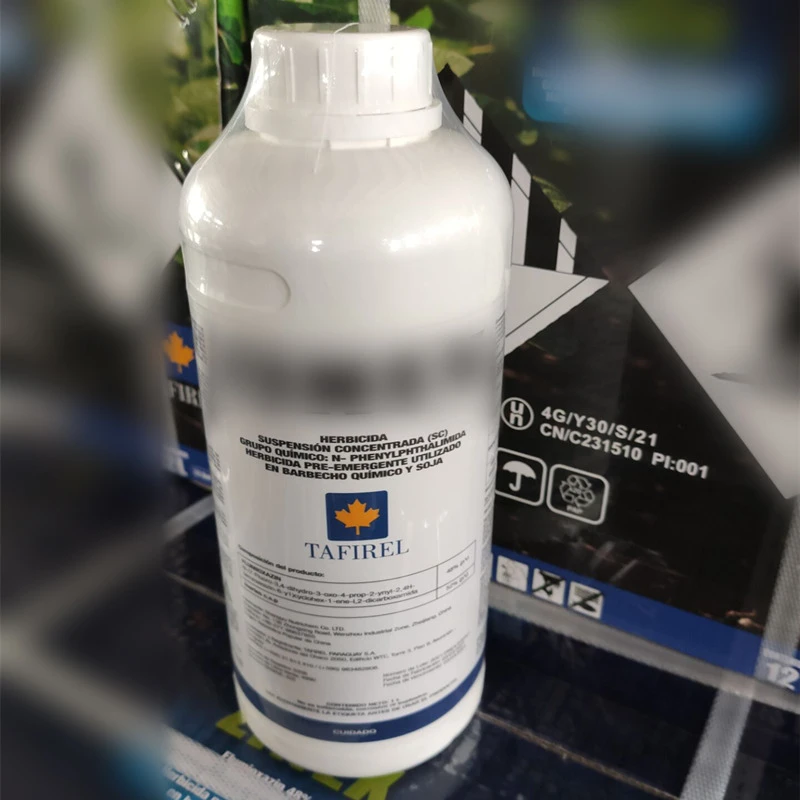
At the end of the day, our goal as a fungicides supplier isn’t to sell as much as we can. It’s to connect clients with products that work, that meet global safety standards, and that allow them to grow food or protect their plants without putting themselves or their communities at unnecessary risk. If you’re a farmer, a gardener, or anyone looking for guidance on choosing and using fungicides safely, we’re here to talk through your specific needs and make sure you have the information you need to make the right choice.
Herbicides References
US Environmental Protection Agency. (2024). Pesticide Registration and Safety Standards.
European Food Safety Authority. (2023). Acceptable Daily Intakes for Fungicides.
Joint FAO/WHO Meeting on Pesticide Residues (JMPR). (2023). Global Review of Pesticide Residues in Food.
National Institute for Occupational Safety and Health (NIOSH). (2022). Occupational Exposure to Modern Pesticides: Long-Term Health Outcomes.
Journal of Exposure Science and Environmental Epidemiology. (2022). Systematic Review of Fungicide Exposure and Human Immune Function.
Changzhou Dayilong Bio-Tech Co., Ltd.
With abundant experience, we are one of the most professional fungicides manufacturers and suppliers in China. Please rest assured to buy bulk high quality fungicides made in China here from our factory. Good service and reasonable price are available.
Address: Hundsun Science & Technology Park 3-1, BeiTangHe Road 8, Tianning District, Changzhou City, Jiangsu, China
E-mail: Sales@dayilongbio-tech.com
WebSite: https://www.dayilongagro-chemical.com/
