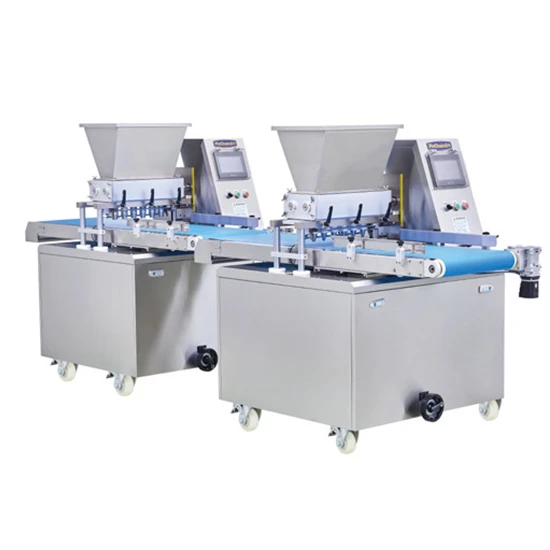
In the dynamic world of food production, a bread and toast forming line stands as a cornerstone for bakeries and food manufacturers aiming to streamline operations and enhance product quality. As a dedicated supplier of bread and toast forming lines, I understand the significance of cost – effectiveness in making informed investment decisions. In this blog post, I will delve into the key cost – effectiveness analysis methods for a bread and toast forming line, providing valuable insights for potential buyers. Bread and Toast Forming Line
1. Total Cost of Ownership (TCO)
The Total Cost of Ownership framework is a comprehensive approach that evaluates all costs associated with a bread and toast forming line over its entire lifecycle. This goes beyond the initial purchase price and includes costs such as installation, training, maintenance, repairs, energy consumption, and disposal.
Initial Purchase Price
The upfront cost of the forming line is an obvious starting point. However, it’s important not to base the decision solely on this figure. A lower – priced line may seem attractive initially, but it could come with hidden costs in the long run. For example, a cheaper line might have lower – quality components that require frequent replacement, increasing maintenance costs.
Installation and Training
Proper installation is crucial for the smooth operation of the forming line. Some suppliers may offer free installation services, while others may charge a fee. Additionally, training your staff to operate and maintain the equipment is essential. High – quality training programs can reduce the risk of operator errors, increase productivity, and extend the lifespan of the equipment.
Maintenance and Repairs
Regular maintenance is necessary to keep the forming line in optimal condition. This includes tasks such as cleaning, lubrication, and component replacement. When analyzing cost – effectiveness, consider the frequency of maintenance, the cost of spare parts, and whether the supplier offers a warranty or maintenance contract. A line with easy – to – access parts and a well – established support network can significantly reduce maintenance costs.
Energy Consumption
Energy costs are a significant operating expense for any food production facility. A modern bread and toast forming line with energy – efficient features can save a substantial amount of money over time. Look for lines that use energy – saving motors, adjustable speed drives, and efficient heating elements.
Disposal Costs
At the end of the equipment’s useful life, there will be costs associated with its disposal. Ensure that the forming line is designed in an environmentally friendly way, with easily recyclable components, to minimize disposal expenses.
2. Return on Investment (ROI)
Return on Investment is a widely used metric to assess the profitability of an investment. For a bread and toast forming line, ROI can be calculated by comparing the net profit generated by the line over a specific period to the initial investment.
Increased Productivity
One of the primary benefits of a modern forming line is increased productivity. A more efficient line can produce more bread and toast in less time, allowing you to meet market demand more effectively. This can lead to higher sales volumes and potentially higher profits. For example, if a new forming line enables you to increase your daily production by 20%, and your profit margin remains constant, you can expect a significant boost in overall profitability.
Improved Product Quality
A high – quality bread and toast forming line can produce consistent, high – quality products. This can enhance your brand reputation, increase customer satisfaction, and potentially allow you to charge a premium price for your products. By improving product quality, you can also reduce the number of rejected products, minimizing waste and associated costs.
Cost Savings
As mentioned earlier, a cost – effective forming line can reduce maintenance, energy, and labor costs. These savings contribute to the overall ROI of the investment. For instance, if a new line reduces labor costs by eliminating the need for manual dough handling, the savings can be substantial over time.
3. Payback Period
The payback period is the length of time it takes for the initial investment in the bread and toast forming line to be recovered through the savings and additional revenue generated by the line. A shorter payback period indicates a more cost – effective investment.
Calculation
To calculate the payback period, divide the initial investment by the annual net cash flow generated by the forming line. The annual net cash flow is the sum of the additional revenue and cost savings minus the annual operating costs (including maintenance, energy, etc.). For example, if the initial investment in a forming line is $100,000, and the annual net cash flow is $20,000, the payback period is 5 years ($100,000 ÷ $20,000).
Factors Affecting Payback Period
Several factors can influence the payback period, such as the efficiency of the line, the market demand for bread and toast, and the cost savings achieved. A more efficient line with high demand for its products can have a shorter payback period.
4. Cost – Utility Analysis
Cost – utility analysis takes into account not only the costs but also the "utility" or value that the bread and toast forming line provides. This value can be measured in terms of factors such as product quality, flexibility, and reliability.
Product Quality and Variety
A forming line that can produce a wide variety of high – quality bread and toast products offers greater utility. It allows you to meet the diverse needs of your customers and adapt to changing market trends. For example, a line that can produce different shapes, sizes, and types of bread, from traditional loaves to artisanal buns, provides more value than a single – purpose line.
Flexibility
Flexibility is crucial in today’s dynamic food market. A forming line that can be easily adjusted to accommodate different recipes, production volumes, and production speeds offers more utility. This can help you respond quickly to changes in customer demand and stay competitive.
Reliability
Reliability is another important factor in cost – utility analysis. A reliable forming line with a low risk of breakdowns and downtime can save you money in the long run. It ensures consistent production and reduces the cost of lost sales due to production interruptions.
5. Benchmarking
Benchmarking involves comparing the cost and performance of your bread and toast forming line with those of other similar lines in the market. This can help you identify areas where your line is performing well and areas that need improvement.
Industry Standards
Research industry standards for forming line performance, energy consumption, and maintenance costs. Compare your line’s metrics against these standards to see how it stacks up. If your line is significantly underperforming in a particular area, it may be worth considering an upgrade or a different model.
Competitor Analysis
Analyze the features, prices, and performance of your competitors’ forming lines. This can give you insights into the market trends and help you position your product effectively. If a competitor’s line offers a similar level of performance at a lower price, you may need to re – evaluate your cost – effectiveness strategy.
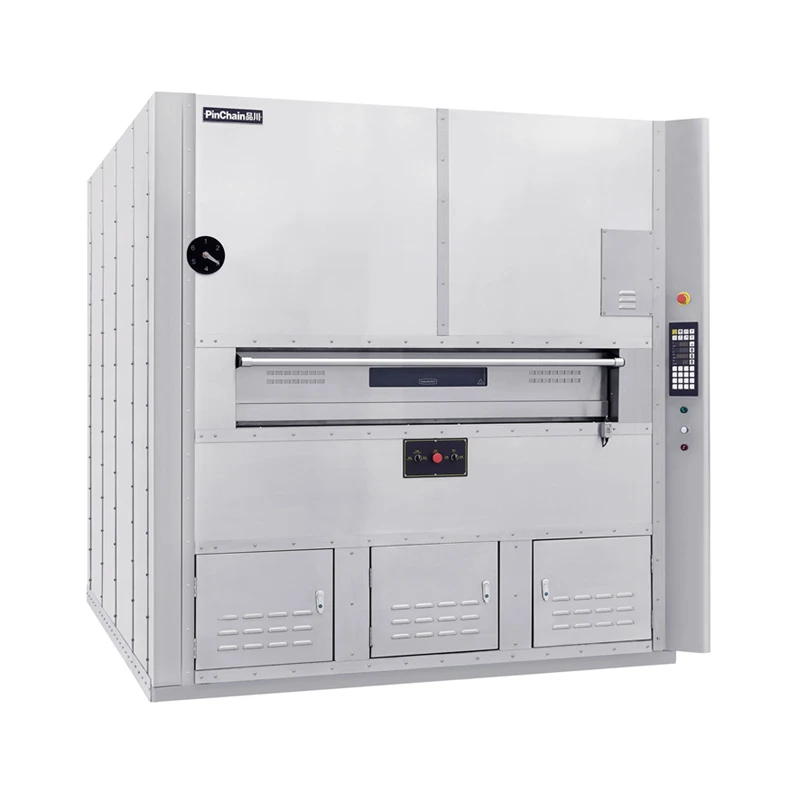
In conclusion, a thorough cost – effectiveness analysis is essential when considering the purchase of a bread and toast forming line. By using methods such as Total Cost of Ownership, Return on Investment, Payback Period, Cost – Utility Analysis, and Benchmarking, you can make an informed decision that maximizes your return on investment and meets your production needs.
Freezer If you are interested in learning more about our bread and toast forming lines and how they can provide excellent cost – effectiveness for your business, please feel free to reach out to us. We are eager to engage in a detailed discussion about your specific requirements and guide you through the procurement process.
References
- Council, N. R. (1996). Opportunity Cost Analysis in the Food Manufacturing Industry; National Academy Press.
- Feldstein, M. S. (Ed.). (1972). The Cost – Effectiveness of Investment in the Food Production Equipment; National Bureau of Economic Research.
- Weinstein, M. C., & Stason, W. B. (1977). Foundations of cost – effectiveness analysis for health and medical practices. New England Journal of Medicine, 296(13), 716 – 721.
Guangdong Pinchain Machinery Co., Ltd.
As one of the most professional bread and toast forming line manufacturers and suppliers in China, we have world-leading production equipment and strong manufacturing capabilities. Please feel free to wholesale advanced bread and toast forming line made in China here from our factory.
Address: Room 302, Building 9, CIMC High tech Intelligent Manufacturing Center, No.3 Chanxing 1st Road, Xianyong Village, Chencun Town, Shunde District, Foshan City, Guangdong Province
E-mail: kowa@bakingmachinery.com
WebSite: https://www.bakingsmachinery.com/
