Can I take HALAL Capsules with other medications? HALAL Capsules
As a supplier of HALAL Capsules, I often receive inquiries from customers about the compatibility of our HALAL Capsules with other medications. This is a crucial question that requires a comprehensive and scientific answer to ensure the safety and well – being of consumers. In this blog post, I will delve into the topic, exploring the factors to consider when taking HALAL Capsules alongside other medications.
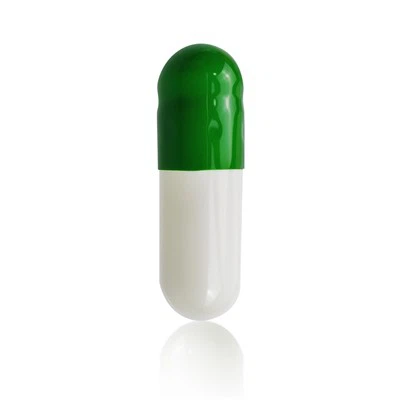
First and foremost, it’s essential to understand what HALAL Capsules are. HALAL refers to what is permissible according to Islamic law. HALAL Capsules are manufactured using ingredients and processes that comply with these religious guidelines. They are typically made from substances that are considered pure and clean, such as bovine gelatin from HALAL – slaughtered cows or plant – based materials like cellulose. These capsules are used to encapsulate various supplements, vitamins, or medications.
When it comes to taking HALAL Capsules with other medications, several aspects need to be taken into account.
1. Ingredient Interactions
The ingredients within the HALAL Capsules and the other medications can interact in various ways. Chemical reactions may occur between substances in different formulations that can lead to reduced efficacy of one or both products, or even the formation of potentially harmful compounds. For example, some herbal supplements in HALAL Capsules might interact with prescription blood – thinners. Garlic, ginkgo biloba, and saw palmetto are known to have blood – thinning properties. When taken with medications like warfarin, they can increase the risk of bleeding.
It’s important to note that the outer shell of the HALAL Capsule itself may also play a role. Gelatin – based HALAL Capsules can dissolve at different rates depending on the environment in the digestive system. If the capsule dissolves too quickly or too slowly, it can affect the release of the active ingredients inside and potentially interact with the absorption of other medications.
2. Pharmacological Effects
The pharmacological effects of the HALAL Capsules and other medications need to be considered. Some HALAL Capsules may contain substances that have a similar mechanism of action to other medications. For instance, if a HALAL Capsule contains a natural stimulant like caffeine and you are also taking a prescription stimulant for attention – deficit/hyperactivity disorder (ADHD), this could lead to an excessive stimulation of the central nervous system. Side effects such as increased heart rate, high blood pressure, and anxiety might occur.
On the other hand, if the HALAL Capsule contains a substance that has a sedative effect and you are taking a prescription sleep aid, it could enhance the sedation, potentially causing excessive drowsiness, impaired coordination, and in severe cases, respiratory depression.
3. Individual Health Conditions
A person’s individual health conditions are a significant factor in determining whether they can take HALAL Capsules with other medications. People with certain medical conditions, such as liver or kidney disease, may have impaired metabolism and elimination of drugs. This means that the combination of HALAL Capsules and other medications could put additional stress on these organs, leading to potential toxicity.
For example, individuals with liver disease may have difficulty metabolizing the active ingredients in both the HALAL Capsules and other medications. This could result in higher than normal levels of these substances in the body, increasing the risk of side effects. Similarly, patients with kidney disease may have problems excreting the by – products of the medications, which could also lead to adverse effects.
4. Allergies and Sensitivities
Allergies and sensitivities to the ingredients in the HALAL Capsules or other medications are also important considerations. Some people may be allergic to the gelatin in HALAL Capsules, especially if it is derived from a particular source like cows or pigs (although HALAL Capsules are never made from non – HALAL sources). If a person is allergic to the gelatin in the HALAL Capsule, taking it with other medications could exacerbate an allergic reaction.
In addition, some individuals may be sensitive to the active ingredients in either the HALAL Capsules or the other medications. For example, a person with a sensitivity to a particular herb in a HALAL Capsule may experience symptoms such as skin rashes, itching, or digestive discomfort. When combined with other medications, these symptoms could be more severe or difficult to diagnose.
So, what should you do if you are considering taking HALAL Capsules with other medications?
Consult a Healthcare Professional
The most important step is to consult a healthcare professional, such as a doctor or a pharmacist. They have the knowledge and expertise to assess the potential interactions between the HALAL Capsules and other medications based on your specific health situation. They can review your medical history, current medications, and any underlying health conditions to provide personalized advice.
A doctor or pharmacist can also check for potential drug – herb interactions. They are familiar with the latest research on the safety and efficacy of different substances and can help you make an informed decision about whether it is safe to take HALAL Capsules with your other medications.
Read the Labels
Before taking any HALAL Capsules or other medications, carefully read the labels. The labels usually provide information about the ingredients, dosage, and possible side effects. Look for any warnings or precautions regarding interactions with other substances. If you are unsure about any of the information on the label, contact the manufacturer or your healthcare provider for clarification.
Start Slowly and Monitor
If your healthcare provider has given you the go – ahead to take HALAL Capsules with other medications, start slowly. Begin with a small dose of the HALAL Capsules and monitor your body’s response. Pay attention to any new symptoms or changes in how you feel. If you experience any adverse effects, stop taking the HALAL Capsules immediately and contact your healthcare provider.
As a HALAL Capsules supplier, we are committed to providing high – quality products that comply with strict HALAL standards. Our capsules are carefully manufactured to ensure the purity and safety of the ingredients. We understand the importance of consumer safety, especially when it comes to the combination of our products with other medications.
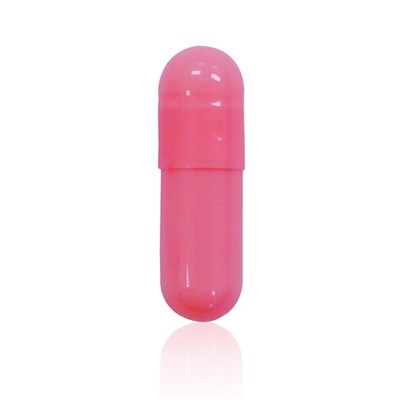
If you are interested in learning more about our HALAL Capsules or have any questions regarding their use, we encourage you to reach out to us for further discussion. We are always ready to assist you in making informed decisions about your health and wellness products. Whether you are a retailer looking to stock our products or a consumer seeking more information, we welcome the opportunity to engage in a productive conversation. Contact us to start a procurement discussion and explore how our HALAL Capsules can meet your needs.
Vegetable Capsules References
- "Drug Interaction Facts" by the American Society of Health – System Pharmacists
- "Herbal Medicine: Biomolecular and Clinical Aspects" edited by Ivan R. Farnsworth
- "Pharmacology and Therapeutics" textbooks commonly used in medical schools
Hubei Kornnac Pharmaceutical Co., Ltd.
Hubei Kornnac Pharmaceutical Co., Ltd. is one of the most professional halal capsules manufacturers and suppliers in China, specialized in providing high quality OEM service. Welcome you to buy bulk customized halal capsules at competitive price from our factory. Also, samples are available.
Address: No.439 Hebei Avenue, Chibi, Hubei Province, 437300, China.
E-mail: service@kornnaccaps.com
WebSite: https://www.kornnaccaps.com/
