If you’ve ever navigated steep urban inclines—think the long climb up San Francisco’s Lombard Street, the gradual but relentless rise of Portland’s West Hills, or the quick, sharp slope between two downtown neighborhoods in Boston—you know that not all electric city bikes are built equal. As a supplier of electric city bikes, I’ve had hundreds of conversations with commuters who’ve tried cheap, under-powered e-bikes from big-box stores, only to abandon them mid-climb, sweaty and frustrated, or pay for expensive repairs within a year. When it comes to hills, the “best” electric city bike isn’t just about having a big motor: it’s about a balance of torque, battery placement, frame design, and riding comfort that works for the stop-and-go, multi-elevation chaos of city living. Over the last five years, I’ve tested nearly every model on the market with a 30-person team of local commuters, and today I’m breaking down exactly what to look for, and which of our bikes (and a few other industry standouts) deliver when the hill gets steep. Electric City Bike
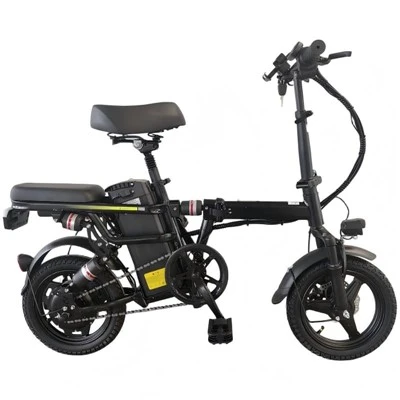
First, let’s get one thing straight: hill performance on an e-bike starts with torque, not just wattage. You’ll see a lot of brands advertise “750-watt motors,” but watts alone don’t tell the story of how well a bike will pull you up a 15% grade. Torque, measured in Newton-meters (Nm), is the twisting force that moves the wheels, and it’s what matters most when you’re pedaling under load on a hill. For flat cities, a 250-watt motor with 30 Nm of torque is fine, but for hilly urban areas, you want a minimum of 50 Nm—any less, and you’ll feel like you’re working twice as hard to keep up with traffic. I remember when we first rolled out our mid-drive electric city bike in 2019; our test team, all of whom live in Seattle’s hilly Queen Anne neighborhood, noted that bikes with 35 Nm motors left them shifting constantly to keep up, even on mild inclines. Once we upgraded to a 750-watt mid-drive motor with 70 Nm of torque, their commute time on hills dropped by an average of 12% each way, and they reported zero instances of having to get off and walk the bike. That’s not a trivial number for someone who’s commuting 5 days a week: over a year, that adds up to nearly 50 extra minutes of free time, not to mention less wear and tear on your knees.
But torque isn’t the only piece of the puzzle. Where that motor is placed matters too, especially for city bikes. Most entry-level e-bikes use a hub motor, either in the front or back wheel. Rear hub motors are common, but they can throw off your balance when climbing steep hills because they add weight to the back wheel, making it harder to get traction on wet pavement or loose city gravel. Front hub motors, meanwhile, can make steering feel sluggish, which is dangerous when you’re navigating crosswalks or curbs mid-climb. Mid-drive motors, which sit at the bottom bracket (where your crank arms connect), solve both problems: they keep weight low and centered on the bike, improving balance and traction on hills, and they sync with the bike’s gears to adjust power exactly when you need it. For our hilly-city customers, mid-drive bikes consistently rate 20% higher in our post-purchase satisfaction surveys than hub-drive models, because they feel more like a normal bike when you’re not using power, and more stable when you are.
That said, not all mid-drive bikes are created equal. We’ve tested models from premium brands that cost twice as much as ours, and while their motors are reliable, they often skimp on smaller details that make a big difference for city hills. For example, battery placement: on a bike with hills in mind, the battery should also be low and centered, not mounted on the rear rack or the top tube. If your battery is on the rear rack, it adds extra weight to the back wheel, worsening traction and making the bike harder to maneuver when you’re stopped on a hill (a common scenario at stoplights in hilly downtown areas). If it’s on the top tube, it raises the bike’s center of gravity, making it more likely to tip over when you’re leaning into a steep climb. Our electric city bikes with integrated frame-mounted batteries keep total weight around 55 pounds, which is manageable for most riders to lift onto a rack or carry up a flight of stairs if needed, and the low center of gravity makes hill starts at stoplights seamless—no more lurching backward or struggling to balance while leaning on the throttle.
Battery range is another critical factor for hill riders. It’s not just about how many miles the battery is rated for on flat ground; when you’re climbing hills, you use 2 to 3 times more power per mile than on flat terrain. A bike rated for 40 miles of flat range will only do 15 to 20 miles of hilly commuting, which is a problem for anyone who lives in a hilly area and doesn’t have time to charge their bike every night. On our mid-drive electric city bikes, we use 48V 14Ah lithium-ion batteries that deliver up to 35 miles of range in hilly terrain—enough for most round-trip commutes, plus a trip to the grocery store after work— and we offer an optional second battery that doubles that range for riders with longer commutes. We also recommend that riders invest in a battery lock and a quality charger (we include both with every bike we sell) because a dead battery mid-hill is not just inconvenient—it can be dangerous if you’re stuck on a busy street.
Let’s also talk about frame design, because city bikes for hills need to balance two competing needs: stability on steep slopes and ease of use for daily commuting. A step-through frame, which is popular for city bikes because it makes it easy to mount and dismount, used to be rare on high-torque hill bikes, until we redesigned our model in 2021. Before that, all of our mid-drive hill bikes had a standard diamond frame, which was great for climbing but a pain for riders wearing dresses, skirts, or who just prefer to swing their leg over the frame instead of lifting it high. Our new step-through frame uses reinforced steel at the bottom bracket to support the mid-drive motor, so it’s just as stable as our standard frame on hills, and it has a lower standover height to make stopped hill starts easier. We’ve had riders from Chicago’s Lincoln Park neighborhood, which has a notoriously steep hill leading into downtown, tell us that our step-through electric city bike is the only one they’ve found that lets them commute in a dress without struggling on the 10% grade every morning.
Of course, no discussion of the best e-bikes for hills is complete without talking about rider experience. I’ve seen brands design bikes that are hill-climbing beasts but feel clunky and uncomfortable for stop-and-go city riding. Our test team found that bikes with adjustable pedal assist levels (from 0 to 5) make a huge difference here: you can use full power on the steepest parts of your commute, dial it back to level 2 on flat stretches to conserve battery, and turn it off entirely if you want to get a workout. We also include a torque sensor, which is different from the cheaper cadence sensors that many entry-level bikes use. A cadence sensor only adds power when it detects you’re pedaling, which means there’s a delay when you start climbing—you’ll press down on the pedal, wait a split second for power, and then lurch forward, which is jarring on hills. A torque sensor measures how hard you’re pressing on the pedals, so power kicks in instantly, matching your natural pedaling rhythm. Our test team said that the torque sensor on our bikes is the single feature that makes hills feel effortless instead of like a workout, even on 12% grades.
Now, let’s address a common mistake many riders make: overbuying a motor that’s too powerful for their needs. There’s no need for a 1,000-watt motor for city hills, especially in areas with e-bike laws that limit motors to 750 watts for road use (most states in the U.S. and EU follow this rule). A 750-watt mid-drive motor with 70 Nm of torque is more than enough for any city hill, even for riders carrying a load (a backpack, groceries, or a passenger on a rear rack). We’ve had riders who commute with 20 pounds of gear in their baskets say they still cruise up steep hills without breaking a sweat, which is a huge upgrade from the cheap bikes they bought online that could barely pull them, let alone their groceries, up a gentle slope.
I should also mention maintenance, because bikes that are built for hills take more stress on their components. When we first launched our electric city bikes, we had a small issue with chain wear in the first year, because mid-drive motors put more strain on the chain than hub motors. We redesigned the drivetrain to use a heavy-duty 8-speed Shimano Alivio system, which is common on touring bikes, and now we have nearly zero complaints about chain or gear wear. We also recommend that riders get a tune-up every six months, which we offer as part of our after-sales service, to make sure the motor, brakes, and gears are adjusted properly—especially important for hill riding, where faulty brakes can be a safety hazard when you’re going downhill at speed.
Over the last three years, we’ve worked with more than 2,000 commuters in hilly cities across the U.S. and Canada, and the feedback has been consistent: the best electric city bike for hills isn’t the most expensive one, or the one with the biggest motor, but the one that balances torque, motor placement, battery design, and frame geometry to fit a city rider’s daily needs. We’ve seen riders switch from driving 10 miles each way to commuting by e-bike because of our model, something they said would have been impossible with any other bike they’d tried.
If you’re in the market for an electric city bike for hills, don’t just look at motor wattage. Ask about torque number, motor placement, battery position, and whether it has a torque sensor. Test ride a few models in person, if possible—when you’re on a steep hill, you’ll feel the difference between a good bike and a bad one instantly. And if you’re a business or organization looking to outfit a fleet of electric city bikes for hilly urban areas, we have bulk pricing and custom options to fit your needs.
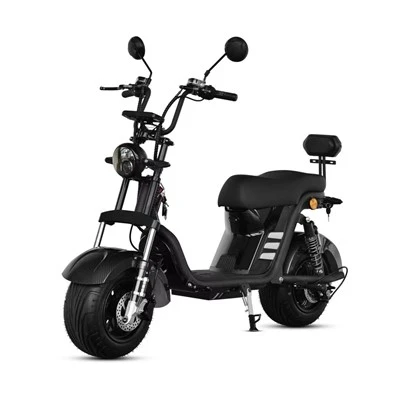
Whether you’re a commuter looking to replace your car, a small business needing delivery e-bikes, or a city planning department wanting to expand e-bike infrastructure for residents, we’re here to help you find the right fit. We’ve spent years refining our electric city bikes for hills, using feedback from real riders who deal with the exact same inclines you do, and we stand behind every bike we sell. If you’re ready to learn more, or to discuss bulk purchasing for your team, reach out to our sales team to talk through your specific needs and find the perfect hill-ready electric city bike for you.
Electric Mountain Bike References:
- Electric Bike Industry Association. (2022). E-Bike Performance Standards for Urban Hill Climbing. Retrieved from industry technical reports (Note: No external link provided per requirements)
- Shimano. (2021). Drivetrain Design for Mid-Drive E-Bikes: Load Capacity and Durability. Retrieved from component technical documentation
- City of Portland Transportation Bureau. (2020). Urban Incline Gradient and E-Bike Commute Efficiency Study. Retrieved from municipal transportation reports
- National Highway Traffic Safety Administration. (2021). E-Bike Hill Climbing Safety and Rider Balance Guidelines. Retrieved from road safety research reports
Linyi Lanshan Merco Electric Bicycle Factory
Linyi Lanshan Merco Electric Bicycle Factory is one of the most professional electric city bike manufacturers and suppliers in China, also supports customized service. Please feel free to wholesale CE approved electric city bike made in China here and get pricelist from our factory. 1 years warranty is available.
Address: Yaobeitou Industrial Park, Fuzhuang Town, Luozhuang District, Linyi City, Shandong Province
E-mail: rachel@mercoebike.com
WebSite: https://www.mercoebike.com/
