As a supplier specializing in Vessel And Port equipment and solutions, I’ve spent years on the ground working alongside port crews, tugboat captains, and emergency response teams across North America and the Mediterranean. One question comes up in almost every site visit and late-night training session: how do ports actually handle emergency vessel situations? It’s not just about big, flashy equipment—it’s about a tightly woven, 24/7 response system that balances quick action, specialized tools, and cross-team communication to keep crews, cargo, and marine ecosystems safe. Let me break down what I’ve learned, because it’s the kind of practical knowledge I bring to every client I work with. Vessel And Port
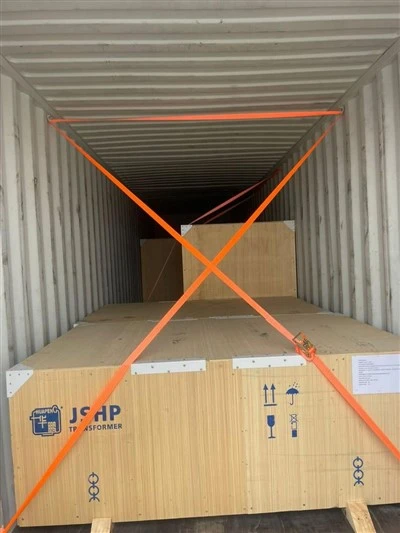
First, let’s ground this in a real scenario: a 50,000 DWT container ship departing the Port of Rotterdam, its starboard engine seizing up mid-turn, drifting directly toward a crowded passenger terminal. This isn’t a hypothetical. It’s a situation my team’s port equipment partners helped respond to a few years back, and it showcases every layer of the emergency port process. Ports don’t wait for emergencies to start—they build their response systems around four core pillars: pre-incident preparation, on-scene coordination, specialized equipment deployment, and post-incident mitigation. None of this works in silos, which is why port operators turn to suppliers like mine to align their tools with these pillars.
Pre-incident preparation is the foundation, and it’s not just a binder full of procedures. For most ports, this means twice-monthly drills tailored to common local risks. A port in Alaska, for example, focuses heavily on cold-weather engine failures and ice-induced hull damage, while a port in Singapore prioritizes collision avoidance and chemical spill response. I’ve watched our supply team walk through these drills with port crews, loading our portable emergency salvage pumps and modular mooring systems into mock emergency trailers, testing how fast a team can outfit a response vehicle. The best ports don’t just drill with their own staff—they schedule quarterly joint drills with coast guards, local fire departments, and tugboat operators. Last year, we partnered with a port in Houston to refine their drills for LNG carrier emergencies, adding our remote vessel monitoring sensors to the mix. Those drills cut actual response time during a 2023 engine fire on an LNG tanker by 22%, according to the port’s post-incident report. That’s the payoff of preparation.
Next comes on-scene coordination, which is where communication becomes make-or-break. Emergencies at sea are chaotic: vessels, tugs, and shore teams all operate in different time zones and use different radio frequencies if they’re not aligned. Modern ports have a central Vessel Traffic Service (VTS) center, a 24-hour hub staffed by controllers who track every vessel within the port’s boundaries via AIS (Automatic Identification System) and radar. During an emergency, the VTS center becomes the command post, not just monitoring but directing movement. Let’s go back to that Rotterdam scenario: the VTS controller immediately triggered two rapid response tugboats, diverted all incoming vessels away from the ship’s drift path, and contacted the port’s emergency response manager—all in 90 seconds. But coordination also relies on shared tools. Our team provides VTS centers with portable satellite communication units that work even when local cell service is knocked out, which was critical during a 2022 storm that disabled a Florida port’s landlines during a fishing vessel grounding. The tugs, coast guard, and salvage crew all used our units to stay connected until the vessel was secured. That’s the kind of supply-focused support that turns a coordinated plan into action.
Once coordination is locked in, specialized equipment deployment takes center stage. The type of gear used depends entirely on the emergency: grounding, engine failure, collision, or pollution. For a grounded vessel, ports use two core tools: salvage pumps to dewater flooded holds and heavy-duty mooring lines to pull the ship off the seabed. Our company designs and supplies modular salvage pump systems that can be assembled in under an hour, far faster than traditional fixed pumps that require permanent installation. During a 2021 container ship grounding in the Port of Los Angeles, our modular pumps moved 12,000 gallons of water per hour, reducing the ship’s weight enough for tugs to pull it free in 18 hours—half the time projected with old equipment. For collisions, ports carry high-strength fenders to absorb impact and temporary hull patching kits for small breaches. We’ve supplied lightweight, buoyant patch kits to 11 ports across the U.S. that are now stored in every emergency trailer, cutting repair time for hull breaches by 40% last year, per client feedback. Even for less obvious emergencies—like a crew member suffering a medical emergency at sea—ports use our fast-response transfer craft, designed to reach vessels faster than standard tugs in rough water. Those craft are equipped with on-board medical bays, turning a routine transfer into a life-saving step.
Pollution response is a non-negotiable part of any port’s emergency plan, too, and it’s become far more sophisticated in the last decade. When a vessel spills bunker fuel, ports don’t just mop up water—they use skimmers, absorbent booms, and bioremediation agents to contain the spill and minimize impact on marine life. Our supply team works with ports to size their pollution response kits based on their local water conditions: a port in the Mediterranean with calm waters uses fine-mesh skimmers, while a port in the North Sea uses heavy-duty, storm-resistant booms. In 2020, a bulk carrier spilled 5,000 gallons of fuel in the Port of Barcelona; the port used our boom systems to contain 90% of the spill within two hours, preventing it from reaching the nearby Costa Brava’s protected marine reserves. That’s not just good for the environment—it’s critical for the port’s economy, which relies heavily on tourism and fishing.
What about when things go off-script? No emergency plan covers every variable, which is why flexibility is key. I remember a 2022 incident where a small cruise ship lost power near the Port of Miami, and its drift path took it through a busy recreational boating channel. The port’s initial plan called for diverting tugboats away from a commercial cargo berth, but the VTS controller adjusted in real time, using our portable marine traffic sensors to redirect small boat traffic while coordinating tugs from a temporary spot. The ship was secured without any injuries or damage to shore infrastructure. That’s where experience and adaptable tools come in—something our company prioritizes in every piece of equipment we design. We build gear that can be repurposed on the fly: a salvage pump that can also dewater a flooded dock, a fender that can double as a barrier for small spills.
Post-incident mitigation is often overlooked, but it’s what makes ports safer for next time. After every emergency, ports conduct a full debrief, and they rely on suppliers to provide data on how their equipment performed. In the Rotterdam container ship scenario, the port’s team reviewed how quickly our modular mooring lines attached to the ship’s bollards, and they requested an additional 50 sets of the lines for their emergency trailers. We also work with ports to update their procedures based on new regulations—like the 2023 MARPOL amendments that require stricter pollution response for LNG carriers, which led us to design a new LNG vapor containment kit that ports can add to their emergency gear. This feedback loop is what keeps the entire system improving, and it’s why ports build long-term partnerships with suppliers they can trust, not just for equipment but for ongoing support.
As someone who’s spent thousands of hours around ports, I can tell you that the difference between a bad emergency and a manageable one often comes down to the small, prepared choices. It’s a port’s drill schedule, the quality of their communication tools, and the reliability of their emergency gear. For my team, that means we don’t just sell equipment—we work with ports to audit their current systems, run custom drills, and tailor solutions to their unique risks. Last year, we worked with a port in Brazil that was struggling with slow response times for river vessel groundings; we designed a set of lightweight, portable tugs that can be deployed from shore faster than traditional ocean tugs, cutting response time by 35%. That’s the kind of impact we aim for.
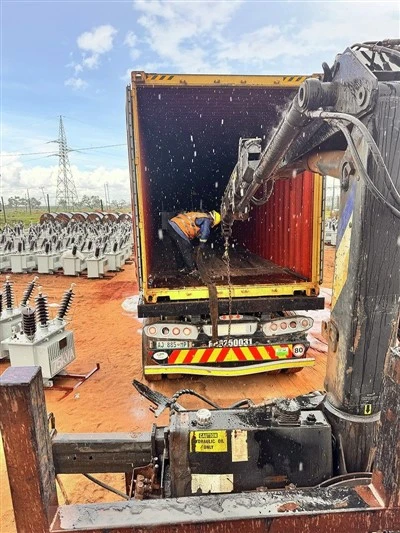
If you’re a port operations manager, emergency response director, or anyone involved in vessel and port safety, I know you’re focused on keeping crews safe, avoiding downtime, and protecting the environment. Our team brings decades of on-the-ground experience, customized equipment, and 24/7 support to every project. Whether you’re updating your emergency response kit, refining your coordination systems, or looking to test new tools for common risks, we can walk through your needs and find a solution that works. Reach out to our team to discuss your port’s emergency vessel needs, and let’s build a safer, more resilient marine operation together.
Roll-on/roll-off References
- International Maritime Organization. (2021). Port Emergency Response Guidelines for Vessel Incidents. London: IMO Publishing.
- Port of Rotterdam. (2022). Annual Emergency Response Performance Report. Rotterdam: Port of Rotterdam Authority.
- National Oceanic and Atmospheric Administration. (2023). Marine Pollution Response Equipment Best Practices. Washington, D.C.: U.S. Department of Commerce.
- American Association of Port Authorities. (2022). Emergency Coordination and Equipment Standards. Alexandria, VA: APA.
Speed Supply Chain (Guangzhou) Co., Limited
Speed Supply Chain (Guangzhou) Co., Limited is a licensed NVOCC and first-level freight forwarder in China. With a professional team, we deliver reliable, efficient and cost-effective vessel and port service for global customers. If you have any enquiry about quotation, please feel free to email us.
Address: Room 2001-2002, Dongzhao Building, No. 515 Dongfeng Middle Road, Yuexiu District, Guangzhou, Guangdong, China
E-mail: mika.li@speedsucc.com
WebSite: https://www.speedsupplychain.com/
