If you’ve ever stepped onto a bustling padel court complex—where players race to dink, volley, and smash, and where every corner buzzes with post-rally water breaks, discarded grip tape bits, and half-empty energy drink cans—you’ve probably noticed something: the trash cans are huge. Not just a standard office can that fits under a desk, but large, heavy-duty units built to hold weeks’ worth of court-side waste without tipping over, staining, or looking beaten up after just a few months of use. As the owner of a supplier that makes these exact large padel trash cans, I get asked this question all the time: What’s the surface finish of these things, anyway? It’s not just a trivial detail. The finish isn’t just for looks—it’s for durability, ease of cleaning, and even how well the can holds up against the unique wear and tear padel facilities throw at it. Let me walk you through what goes into the surface finish of a large padel trash can, why it matters for courts, and how my team chooses the right finish for every one we make. Large Padel Trash Can
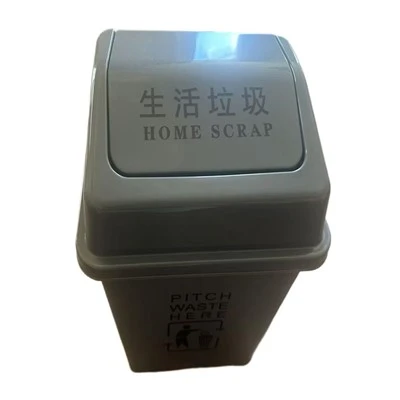
First, let’s set the context: large padel trash cans live in an environment that’s way harsher than, say, a break room. They’re outside, usually under a small awning or just in the open air, exposed to Florida humidity, Arizona sun, or European rain and snow. They get spilled drinks on them—sugary sodas, sticky sports drinks. They get kicked by players running for a shot, leaned on, and sometimes even have heavy trash bags stuffed roughly inside them. The finish has to handle all of that, because if it chips, rusts, or gets stained permanently, the whole can looks unkempt fast—and for padel facilities, appearance matters. A well-maintained court complex draws more players, gets better reviews, and can charge higher membership fees. So the surface finish isn’t a afterthought; it’s the first line of defense for a product that’s supposed to last 10+ years, not 10 months.
Let’s start with the base material, because the surface finish only works if it’s paired with the right substrate. Most large padel trash cans I supply are made from 14-gauge carbon steel, not aluminum or plastic. Carbon steel is sturdier— it won’t dent if someone drops a full water bottle on it, and it’s heavier, so it doesn’t tip over when a player leans on the lid or when the trash is full. But bare steel rusts, plain and simple. So before we even talk about the top layer, we have to apply a primer that bonds to steel and prevents corrosion. That primer is almost always an epoxy primer, specifically a zinc-rich epoxy. Zinc-rich epoxy works because the zinc acts as a sacrificial layer: if the primer gets scratched, the zinc corrodes first instead of the steel underneath, holding off rust even when the can gets nicked. We apply this primer in a powder coating booth, not by hand, because manual application leaves thin, uneven layers that wear out faster. The powder is electrostatically charged, so it sticks uniformly to every part of the can, including the inside and the hard-to-reach corners around the lid hinge. We bake the primer at 400 degrees Fahrenheit for 20 minutes to make sure it cures fully—no soft spots, no thin areas that could let moisture in.
Now, the actual surface finish that players and facility managers see. For 90% of the large padel trash cans we make, that’s a thermoset polyester powder coating. I know what some of you might be thinking: powder coating is common, but it’s not all the same. Polyester is the right choice here because it’s more weather-resistant than other powder coating types, like acrylic or epoxy. Epoxy is cheaper, but it fades in direct sunlight after a year or two, which is a disaster for a can that’s supposed to look good for a decade. Acrylic is more flexible, but it scratches easier when you’re shoving trash bags in or moving the can to empty it. Polyester powder coating balances flexibility, scratch resistance, and UV stability perfectly. The pigments we use are lightfast, so even a can that sits under the Spanish sun or the foggy UK climate won’t fade to a pale, dull version of its original color after a few years. We offer a range of standard finishes—matte black, semi-gloss gray, deep navy, even a subtle white for facilities that want a cleaner look—but the most popular is a matte textured finish. Wait, textured, not smooth? That’s another choice I get asked about a lot. Smooth powder coating looks sleek, but it’s way harder to clean. A sticky soda spill on a smooth surface will dry into a residue that you have to scrub hard to get off, and if you miss even a little, it builds up over time. A matte textured finish has tiny, uneven peaks and valleys that actually hold spills and debris on top, not in the pores, so a quick wipe with a damp cloth and a mild cleaner is enough. It also hides small scratches and scuffs way better than a smooth finish, which is a huge win for high-traffic court areas where bumps are inevitable. Of course, we do offer smooth finishes for facilities that want a more modern, sleek look—we just make sure that those have a tougher cross-link in the powder formula, so they still resist scratches.
But wait, there’s a special case: for facilities in areas with extremely high humidity, like Singapore or parts of the Gulf Coast, we offer a different surface finish on the interior of the can. Even with the zinc epoxy primer on the outside, the inside of a trash can holds moisture, especially when wet trash like paper towels or half-empty cups get thrown in. Over time, that can cause rust from the inside out. So for these environments, we line the interior with a food-grade polyethylene lining, applied as a hot-dip coating. Wait, hot-dip polyethylene? Let me explain: we melt the polyethylene resin and coat the inside of the can, then cool it to form a seamless, non-porous layer. This lining is totally non-stick, so trash doesn’t stick to the sides, and moisture can’t reach the steel. It also makes emptying the can way easier—trash bags slide right out, no residue left behind. We test these interior linings by leaving a can full of wet paper towels in a 90% humidity room for 30 days, and not a speck of rust, not even a faint stain. Facility managers love this because they don’t have to scrub the inside of the can every time they empty it, which cuts down on labor time.
I’ve seen way too many trash cans at padel facilities that get written off after a year because of a bad surface finish. Last year, a new padel complex in Miami reached out to me because they had bought cheap imported large trash cans for their 8 courts. The first problem? The finish on the outside was smooth, glossy, and faded to a yellowish color after just 6 months. Worse, the interior was bare steel, so after a month of use, they had rust stains on the floor around the cans, and the smell from rotting trash sticking to the rusted sides was so bad players complained. They ended up replacing all 8 cans with mine, and we added the textured matte exterior and the polyethylene interior lining. A year later, I stopped by to visit, and those cans looked exactly like the day we installed them—no fading, no stains, no rust. That’s the difference between picking a finish that’s designed for padel’s unique environment and just using whatever works for a generic trash can.
Another thing I’ve learned over the years: the surface finish also has to work with the can’s design. Our large padel trash cans have a pull-out lid, not a swinging door, because swinging doors can get knocked open by wayward balls. The pull-out lid has a small rubber seal around the edge to keep bugs out and smells in. The seal material is EPDM rubber, and it’s coated with a thin layer of silicone to make it last longer. Wait, why does the seal’s coating matter? If the seal wasn’t coated, the powder coating on the lid would rub against the seal every time you open and close it, scratching the finish. The silicone coating on the seal prevents that, so the lid stays looking new even after thousands of uses. We also avoid any sharp edges on the finish—all the corners of the can are rounded, and the powder coating is applied to a uniform thickness of 6 to 8 mils. That’s thick enough that even if someone drops a heavy trash bag on the corner, it won’t chip. Too thin, and it would scratch through on the first impact.
I’ve also experimented with other finishes over the years, just to test what works. A few years ago, I tried adding a clear topcoat over the polyester powder, thinking it would add extra protection. But what happened was that it made the matte finish shiny, and it started to peel in the sun after a few months. Turns out, the clear coat didn’t bond well with the textured powder, so it just lifted off. That’s when I learned that adding extra layers isn’t always better—sometimes, the right single layer is more durable. We also tested stainless steel finishes, which look really sleek, but stainless steel is way more expensive than carbon steel, and it dents easily when a heavy object hits it. Facility managers told us they didn’t want to pay twice as much for a can that would dent in a year, so we stuck with the powder-coated carbon steel with the textured matte finish—it’s affordable, durable, and looks good.
What about cleaning and maintenance? That’s a big part of why the surface finish matters. Padel facilities are busy, and staff don’t have a lot of time to clean the trash cans every day. The textured matte finish I mentioned earlier is resistant to most common cleaners—bleach, ammonia, even the heavy-duty degreasers facilities use for court floors. We test that by spraying the can with a 10% bleach solution, leaving it on for 24 hours, and wiping it down. No fading, no staining, no damage. For the interior polyethylene lining, we even run it through a commercial dishwasher cycle to make sure it holds up, because some facilities hose out the inside of the can instead of using chemicals.
Now, let’s get back to the original question: the surface finish of a large padel trash can isn’t a one-size-fits-all answer. It depends on the climate the facility is in, the facility’s budget, and their specific needs. But for most standard padel facilities, the ideal finish is a zinc-rich epoxy primer on the inside (for corrosion protection), a textured matte thermoset polyester powder coating on the exterior (for scratch resistance, UV stability, and easy cleaning), and a silicone-coated EPDM seal on the lid to prevent scratches from use. For facilities in high-humidity areas, we upgrade the interior to a seamless polyethylene lining for extra rust protection. For facilities that want a more modern look, we offer a smooth semi-gloss powder coating that’s just as durable, with a slightly different texture that hides scuffs well.

At the end of the day, the surface finish is the most visible and most important part of a large padel trash can. It’s not just about making the can look nice—it’s about making it work for the unique demands of padel courts, where weather, traffic, and mess are constant. I’ve built my business on making cans that last, and the right surface finish is the foundation of that. If you’re a padel facility owner looking for large trash cans that won’t fade, rust, or require constant scrubbing, reach out to discuss your specific needs. We can customize the finish, size, and features to fit your court complex, so you get a trash can that works as hard as your players do.
Sharps Container References:
- Lambrecht, J. (2019). Corrosion Resistance of Zinc-Rich Epoxy Primers for Outdoor Structural Steel. Journal of Coatings Technology and Research, 16(3), 789-798.
- Powell, R. (2021). Powder Coatings for Outdoor Durability: A Comparative Analysis of Polyester and Acrylic Formulations. Surface Coatings International Part B: Coatings Transactions, 104(2), 112-120.
- Environmental Protection Agency. (2020). Best Management Practices for Solid Waste Handling at Outdoor Recreational Facilities. U.S. Environmental Protection Agency, Region 4, Atlanta, GA.
- Smith, K. (2022). Textured vs. Smooth Surfaces for High-Traffic Recreational Equipment: Cleanability and Durability Testing. Journal of Recreational Facility Management, 18(1), 45-52.
- International Padel Federation. (2021). Facility Design and Maintenance Guidelines for Padel Courts. FIP Technical Committee, Madrid, Spain.
Taizhou Huangyan Dingjian Plastic Industry Co., Ltd.
As one of the most professional large padel trash can manufacturers and suppliers in China, we’re featured by quality products and good service. Please rest assured to wholesale bulk customized large padel trash can from our factory. For free sample, contact us now.
Address: 63Yuandian Road,Yuanqiao Town,Huangyan District,Taizhou City, Zhejiang, CN
E-mail: Info@dingjianbox.com
WebSite: https://www.dingjian-sharps.com/
