If you’ve ever spent time on a residential or commercial construction site, you’ve probably walked past stacks of metal studs, drywall panels, and rolls of insulation without a second glance— but every component in that space plays a quiet, critical role in how the building holds up, looks, and lasts. As a supplier of C Type Ceiling Furring Channels, I see this all the time. I’ve spent years sourcing, inspecting, and shipping these metal channels to contractors and builders, and one question I get asked more than any other is: “What’s the actual quality inspection standard for these things?” C Type Ceiling Furring Channel
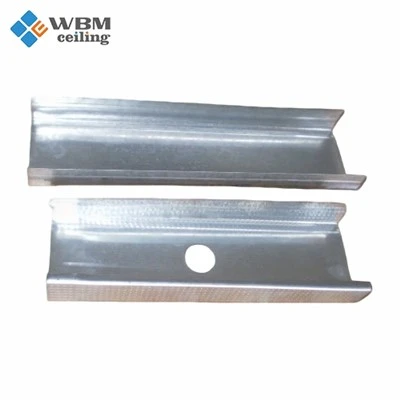
It’s a fair question. For the uninitiated, a C Type Ceiling Furring Channel is that slotted, C-shaped metal strip that sits between the ceiling joists and the drywall. It’s not flashy, but it’s the backbone of any suspended ceiling system. It supports the weight of the drywall, holds it straight, and prevents sagging, warping, or damage from moisture or temperature changes. Cut corners here, and you end up with a ceiling that cracks, droops, or collapses long before its intended lifespan. That’s why I don’t just ship these channels— I hold every single batch to a strict set of inspection standards I’ve honed over the years, working with both small local contractors and large commercial development teams. Let me break down what those standards actually look like, step by step, no industry jargon that doesn’t matter, just what we actually check before a batch leaves our warehouse.
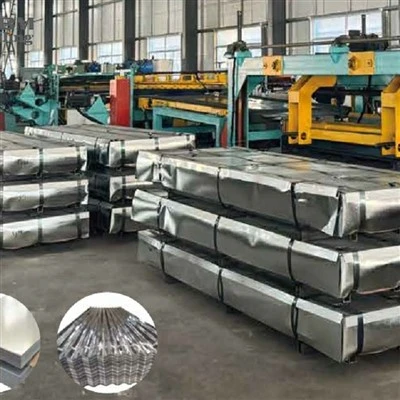
First, we start with the raw material. This isn’t just random sheet metal. The best C Type Channels are made from hot-dipped galvanized steel, plain and simple. But not all galvanized steel is the same. I’ve seen cheap steel that’s thin, flaky, and rusts after a year, and it never works right. Our first inspection step is checking the steel gauge. The gauge tells us how thick the metal is, and that’s non-negotiable. For most standard interior ceiling applications, we use a 20-gauge steel, but for areas like bathrooms, basements, or commercial spaces with higher humidity, we bump it up to 18-gauge— thicker, stronger, more resistant to bending. We measure this with a digital caliper, and every single channel gets a check: if the thickness is even a few thousandths of an inch off, it’s rejected. I learned early on that cutting corners on gauge leads to callbacks, and no supplier wants that.
Next comes the zinc coating, the part that keeps the channel from rusting. Hot-dipped galvanized steel means the steel is dipped in molten zinc, forming a permanent, protective layer that bonds to the metal, not just sits on top. We test this coating in a few ways. First, we do a visual check: no bare spots, no uneven coverage, no flaking, no white powdery residue (that’s zinc oxide, a sign of poor quality coating). We also use a salt spray test, also called a neutral salt spray test, to simulate years of exposure to moisture. We take a sample channel, spray it with a salt water solution for a set number of hours, and if it shows any rust or damage before the test is done, the whole batch is sent back to our mill. For residential interior channels, we require a minimum of 500 hours of salt spray resistance, and for high-moisture commercial applications, that jumps to 1,000 hours. I’ve had a few mills try to send us channels with thinner zinc coatings to cut costs, and we send every single one back. A ceiling that rusts from the inside out is a disaster waiting to happen.
Then we move to the shape and dimensions, and this is where a lot of suppliers cut corners. A C Type Furring Channel is supposed to be a precise C: the legs should be straight, not twisted, not bent, and the slot in the center (where you attach the fasteners) should be perfectly aligned. We check the height of the channel— the distance between the top and bottom of the C— to make sure it’s consistent, usually 1 5/8 inches for standard use. If one channel is 1 9/16 inches and the next is 1 11/16 inches, the fasteners won’t line up, and the whole installation will be uneven. We also check the length: most channels are shipped 10 feet long, but we cut them to custom lengths if needed, and every cut has to be square, no jagged edges, no burrs. Burrs are a small thing, but they can tear through drywall paper or scratch contractors’ hands during installation, so we don’t let them leave our warehouse.
Another big one is the load capacity. This is the part that a lot of people don’t think about, but it’s non-negotiable. A furring channel has to support the weight of the drywall, plus any additional weight from fixtures like ceiling fans, light fixtures, or speaker systems. We test load capacity by setting the channel up in a standard test frame, attaching a simulated drywall panel, and adding weight incrementally until the channel bends or fails. For our standard 20-gauge channel, the minimum load capacity is 50 pounds per linear foot, and for our 18-gauge heavy-duty channel, it’s 75 pounds per linear foot. We’ve had contractors tell us they bought cheap channels that bent under just the weight of two drywall sheets, and that’s exactly why we test this. No one wants a ceiling that starts sagging before the paint is even dry.
We also check for compatibility with standard installation hardware. Most contractors use screws, clips, or hangers to attach the furring channel to the ceiling joists or existing structure. We make sure the slots in our channels are wide enough to fit standard 1/4-inch screws, and that the channel doesn’t deform when the clip is attached. If the slot is too narrow, the clip won’t go on; too wide, the channel will slip out. We test this with the most common hardware brands on the market, because I know contractors don’t want to have to buy special parts just for our channels. It’s the little things that make a supplier reliable, right?
Wait, I should mention that these standards aren’t just something I made up. They align with industry codes, specifically the ASTM A653 standard for galvanized steel, and the Gypsum Association’s guidelines for suspended ceiling systems. The Gypsum Association is the go-to group for all things drywall and ceiling, and they set the minimum requirements for furring channels. We don’t just meet those minimums— we exceed them, because I’ve seen what happens when you follow the bare minimum. A few extra thousandths of an inch of steel or a thicker zinc coating might add a tiny bit to the cost, but it saves everyone from headaches down the line.
I know some contractors might think this is overkill. “It’s just a metal strip,” they say. But I’ve been in this business for 12 years, and I’ve seen the damage from low-quality furring channels. Last year, a general contractor called me in panic— they had finished a 10-unit apartment building, and a few weeks after drywall was installed, three ceilings in the bathrooms started sagging. Turns out, the channels they used were 22-gauge, half a gauge thinner than standard, and the moisture from the showers bent them under the weight of the drywall. It cost them $20,000 to redo those three units, plus the contractors’ time and client delays. That’s why I don’t cut corners on inspection. Every batch of channels we send out has a certificate of inspection, signed by our team, that lists the gauge, coating thickness, dimensions, and load capacity. Contractors can look at that, trust it, and not have to worry about a callback.
What happens if a channel fails our inspection? We have a zero-tolerance policy for defects. A small batch might get rejected entirely, or we’ll rework any channels that have minor issues. For example, if a channel has a tiny dent that doesn’t affect the gauge or coating, we might still use it for a non-structural application like a closet ceiling, but we clearly mark it and price it accordingly. But anything that affects the strength, coating, or dimensions? It’s either sent back to the mill or scrapped. I’ve turned down big orders before because a batch didn’t pass inspection, and some people thought I was crazy. But those same clients who got a rejected batch went on to be repeat customers because they knew they could rely on us. That’s worth more than a one-time big sale.
For newer contractors or builders who might not know what to look for, I’ll let you in on a quick trick. If you’re checking a batch of C Type Furring Channels, hold one up to light. If you can see light through the metal, it’s too thin. Bend the end a little— if it bends easily, it’s not 18 or 20 gauge, it’s cheaper thinner metal. Run your hand over the surface— if you feel rough spots or flaking zinc, the coating is bad. It’s not as thorough as our calipers and salt spray tests, but it’s a good quick check to spot cheap product.
At the end of the day, being a supplier isn’t just about selling a product. It’s about making sure that product does what it’s supposed to do, every time. That’s why we stick to these strict quality inspection standards for our C Type Ceiling Furring Channels. We don’t cut corners, we don’t take shortcuts, and we don’t send out anything that wouldn’t hold up in my own home.
If you’re a contractor, builder, or renovator working on a project and you need reliable, code-compliant C Type Ceiling Furring Channels, I’m here to help. We offer custom lengths, different gauges for standard and high-moisture spaces, and we’re happy to share our inspection certificates for any batch. Whether you need a small order for a single room or bulk supply for a large commercial development, reach out to us to discuss your project needs and get a quote you can trust.
Steel Coil References
ASTM A653 / A653M – Standard Specification for Steel Sheet, Zinc-Coated (Galvanized) or Zinc-Iron Alloy-Coated (Galvannealed) by the Hot-Dip Process
Gypsum Association. GA-216-15, Application Manual for Gypsum Wallboard and Veneer Plaster Systems
Neutral Salt Spray Test (NSS) per ASTM B117 – Standard Practice for Operating Salt Spray (Fog) Apparatus
Langfang Weikaihua Building Material Co., Ltd.
Langfang Weikaihua Building Material Co., Ltd. is one of the most professional c type ceiling furring channel manufacturers and suppliers in China, featured by quality products and low price. Please rest assured to buy discount c type ceiling furring channel from our factory. Contact us for customized service and free sample.
Address: Peng Er Wan Villiage, Zhao Ge Zhuang Town, Wen’an County, Langfang City, Hebei Province, China
E-mail: joyce@wbm.cc
WebSite: https://www.wbmceiling.com/
