Hey there, it’s Jake from the grinding mill team—you know, the guy who’s actually on the ground helping manufacturers figure out their milling needs, not just spouting jargon from a spec sheet. Today, let’s cut the fluff and talk about something we get asked all the time: “What’s a Raymond grinding mill even good for, anyway?” Grinding Mill
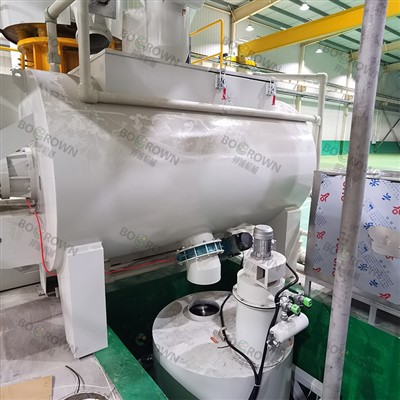
I’ll be honest, when I first started in this industry 12 years ago, I thought Raymond mills were just for, like, grinding limestone for concrete. But over the years, I’ve worked with everyone from small artisanal powder makers to big mining outfits, and their application scope is way broader than most people realize. Let’s break it down, no fancy terms, just real-world uses I’ve seen first-hand.
First off, let’s get the basics straight for anyone who might not know: a Raymond mill is a vertical roller mill that uses a grinding roller and ring to crush materials into fine powder—usually between 30 and 325 mesh, though you can adjust it for coarser or finer stuff. That adjustability is why it’s such a workhorse, not a one-trick pony.
Starting with the construction and building materials space—this is where Raymond mills got their start, and it’s still a big chunk of our orders. Most people know limestone is the main one here, but wait—we’re not just talking about basic crushed rock. We’ve had clients use Raymond mills to process limestone into quicklime or hydrated lime, which are critical for things like soil stabilization on road projects, water treatment (yes, the lime that cleans your tap water), and even making glass. Then there’s gypsum—you know, the stuff in drywall? Raymond mills grind raw gypsum into powder that’s mixed with water to make the plaster for walls. We even had a small tile factory last year use a Raymond mill to grind feldspar and quartz, which are key for ceramic tiles. The powder they make from that is way more consistent than what they got from their old ball mill, so their tiles have fewer cracks and look way more uniform.
Next up, mining and mineral processing. This is where Raymond mills really shine because they can handle a lot of different minerals without too much adjustment. Gold ore is a big one—small-scale miners and even some mid-sized operations use Raymond mills to grind gold ore into a fine powder before leaching, which is the process of separating gold from the rock. The finer the powder, the more gold they can extract, so that’s a no-brainer. Then there’s bentonite, which is used in drilling mud for oil and gas wells. We’ve got a client in Texas that grinds bentonite with a Raymond mill, and the powder they produce has the exact viscosity needed to keep drill bits cool and prevent collapses. Oh, and talcum powder—yep, the stuff in baby powder or makeup. That’s another mineral we process with Raymond mills. The key here is that the mill’s rollers don’t overheat, which keeps the talc’s properties intact—if it got too hot, it would change the texture, and no one wants grainy baby powder.
Wait, let’s talk about industrial minerals for chemicals too. A lot of chemical manufacturers use Raymond mills to make raw materials for their products. For example, barite is a mineral used in oil and gas drilling fluids, but it’s also a filler in paints, plastics, and rubber. We supply Raymond mills to a company that makes plastic bags—they grind barite into a fine powder and add it to the plastic to make the bags stiffer and less likely to tear. Another one: kaolin, which is a clay used in paper coating. Paper mills need kaolin powder to be super fine so it sticks evenly to the paper, making it smooth enough for printing. Their old mill would sometimes have lumps, but with a Raymond mill, the powder’s consistency is spot-on. We even had a battery components maker last year use a Raymond mill to grind graphite—they needed fine graphite powder for lithium-ion batteries, and the mill’s ability to adjust the mesh size let them hit exactly the specs their battery tech required.
Now, here’s a use you might not have heard of: agriculture and fertilizer. I know, a mill for fertilizer? But hear me out. Some fertilizers, like lime-based fertilizers, need to be ground into fine powder so they dissolve slowly in soil, releasing nutrients over time. We’ve had a farm cooperative in Iowa use a Raymond mill to grind dolomite (a magnesium-rich mineral) into powder, which they mix with their fertilizer. The fine powder spreads evenly across their corn and soybean fields, and the crops take in the magnesium way better than if it was just big chunks. Also, there’s peat moss—gardeners love it, but if you grind it a bit with a Raymond mill, it becomes a fine amendment for potting soil that holds more water. One of our small clients makes organic potting mix, and switching to a Raymond mill cut their processing time in half because they didn’t have to sift out big clumps anymore.
Wait, can we get into food and pharmaceuticals? Don’t worry, we don’t grind chemicals that are toxic—we have special precautions for that. But things like spices, sugar, and even some herbal supplements. A spice company in India uses Raymond mills to grind turmeric, cumin, and coriander into fine powder. The mill doesn’t crush the spices too hard, so they retain their essential oils, which is what gives the spices their flavor and aroma. If you’ve ever bought pre-ground turmeric that tastes bland, it’s probably because it was over-ground. That’s not an issue with a Raymond mill for food-grade materials. We also work with a small herbal supplement brand that grinds ginseng and ashwagandha into powder for capsules. The fine powder lets them make smaller capsules, which is a big deal for people who don’t like swallowing big pills. And since we use food-grade lining in the mill’s parts here, there’s no cross-contamination, which is key for pharma and food.
Let me be real with you though—Raymond mills aren’t for every job. I’ve had clients come to us saying, “Can this mill handle 1-inch chunks of concrete?” and I have to say no. If you’re dealing with really large, abrasive materials (like big pieces of rock that are harder than diamond, for example), a Raymond mill might wear out too fast, and you’d be better off with a jaw crusher first. Also, if you need powder way finer than 325 mesh—like 1000 mesh or more—a Raymond mill isn’t the best fit; you’d need something like a jet mill. But for most applications I just mentioned, it’s perfect because it’s compact, uses less energy than a lot of other mills, and is super easy to maintain. We get calls all the time from people who used to run multiple mills for different materials, and switching to a Raymond mill cut their energy bills by 30% or more. That’s a huge number for any business, big or small.
I think the biggest mistake I see people make is assuming Raymond mills are only for one industry. A few years back, we had a customer who was a gold miner, and he thought his mill was only good for ore. Then he found out we also supply them to a nearby cement plant, and he started grinding limestone on the side with the same mill—no extra equipment, just adjusting the settings. That’s the thing about these mills; they’re versatile if you know how to use them. Our team doesn’t just sell a mill and walk away—we help clients figure out how to adjust it for their specific material, whether it’s soft limestone or hard bentonite, or even a food spice.
Look, if you’re in the market for a grinding mill (or just curious about what they can do), don’t just go for the cheapest option online. Ask the supplier about their experience with your specific material. For example, if you’re grinding kaolin for paper, you want a supplier who’s worked with paper mills, not just mining guys. We’ve spent years testing different materials in our demo lab—we’ve got samples of limestone, spices, minerals, even small batches of fertilizer—to make sure we can tell a client exactly what settings they’ll need, no guesswork.
At the end of the day, a Raymond mill isn’t just a machine—it’s a tool that helps businesses make better products, save money on energy, and cut down on processing time. I’ve seen small startups turn their side hustle into a full business because a Raymond mill let them produce fine powder consistently, and I’ve seen big mining companies increase their gold extraction rates by 15% just by switching to the right mill. That’s why I love this job—we’re not selling equipment, we’re solving problems.
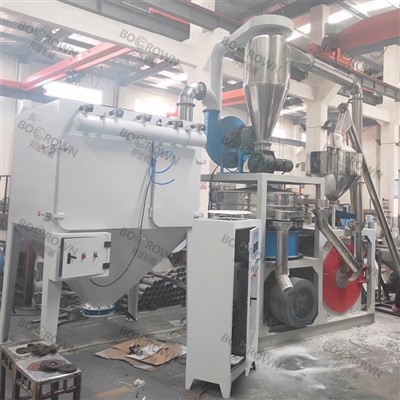
So if you’re someone who’s tired of their current mill not cutting it, or you’re starting a new project and wondering what mill you need, hit us up. We don’t do hard sells—we’ll ask you what material you’re grinding, how fine you need it, and what your production goals are, then tell you if a Raymond mill is the right fit (or if it’s not, and we can point you to something else). No fluff, no jargon, just straight talk from someone who’s actually used these mills for years.
PVC Automatic Compounding and Feeding System Reference
- Society for Mining, Metallurgy & Exploration. (2020). Mineral Processing Plant Design and Practice. SME.
- Food and Agriculture Organization of the United Nations. (2018). Small-Scale Grinding Technologies for Agricultural Materials. FAO.
- Industrial Minerals Association. (2021). Grinding Methods for Industrial Mineral Powder Production. IMA.
- Pharmaceutical Engineering Magazine. (2019). Food-Grade Milling Equipment for Nutraceutical and Spice Processing. Pharm Eng.
ZJG BC Machinery Co., Ltd.
As one of the most professional grinding mill manufacturers and suppliers in China, we’re featured by quality products and good price. Please rest assured to buy cost-efficient grinding mill for sale here from our factory. Contact us for custom service and OEM service.
Address: No.8 Lexi Road, Leyu Town, Zhangjiagang City
E-mail: sales@bcextruder.com
WebSite: https://www.bcextruder.com/
