Hey there, fellow radio folks! If you’ve ever grabbed your analog radio, ready to jam to your favorite local station, only to get nothing but static or that weak, crackly sound that makes you want to toss the thing across the room, you’re not alone. I’ve been in the analog radio game for over a decade now, supplying gear to hobbyists, small communities, and even some vintage audio enthusiasts, and let me tell you—bad reception is one of the most common headaches I get asked about. But here’s the thing: most of the time, this isn’t a broken radio. It’s a simple fix you can do in your own living room, no fancy tools required. Analog Radio
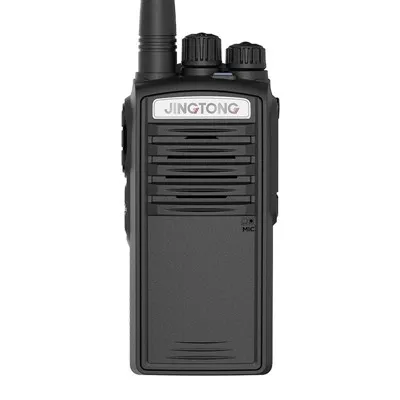
Let’s start with the basics, because I see so many people skip over these, and they’re the easiest to mess up. First, check the antenna. Analog radios—especially portable ones—rely heavily on their built-in telescoping antenna. I’ve had customers send back radios saying “reception sucks” only to realize they were running the antenna all the way down, not fully extended. Sounds silly, right? But you’d be shocked how often that’s the case. If your radio has a telescoping antenna, pull it all the way out, adjust it a little bit at a time, and pause after each tweak to listen. Sometimes a tiny nudge left or right can make a huge difference, depending on where your local broadcast tower is. Oh, and if you’re using a portable radio indoors? Walls, metal furniture, and even your fridge can block the signal. Try moving near a window that faces the direction of your station’s tower—you might be surprised how much better that gets it.
Wait, what if you have a desktop radio with an external antenna, like a wire or a whip? That’s another story, but still simple. For wire antennas, make sure it’s not tangled or draped over metal objects—metal is a signal killer. If you can, run the wire as straight as possible, a few feet away from any other cables (like power cords or HDMI cables) because those can cause interference too. I’ve had customers tell me their external antenna works fine one day and bad the next, only to find they moved their radio next to a new TV stand—boom, instant static.
Next up, power issues. Yeah, power might seem unrelated to reception, but hear me out. If your radio is running on batteries, old or low batteries can cause weird signal problems. Analog radios are pretty power-hungry compared to their digital counterparts, especially when tuning into weak stations. If you’ve been using the same batteries for months, swap in new ones—even if the radio still turns on, that low voltage is probably gumming up the signal. If you’re using AC power, check the outlet. Sometimes a loose outlet or a faulty power adapter can add electrical noise that mimics static. Try plugging the radio into a different outlet, preferably one not on the same circuit as your microwave or space heater—those appliances put out a lot of electrical interference.
Now, let’s talk about interference, because this is a big one that most people don’t notice. You might have a radio that works great in one room and is garbage in another, and it’s not always walls. Things like Wi-Fi routers, baby monitors, LED lights, and even smart home devices can cause signal interference. LED lights especially—they put out high-frequency noise that’s perfect for messing with analog radio bands. If you have an LED bulb near your radio, try turning it off temporarily and see if the reception gets better. I had a customer last month who had constant static until he realized his new LED strip light behind his TV was the culprit. Who would’ve thought? Also, if you live in a crowded area, like an apartment building, your neighbor’s electronics or even their radio antennas can cause interference too. Sometimes just moving your radio a foot or two away from the wall can cut that out.
What if you’ve tried all that and it’s still bad? Time to check the tuning and alignment. Analog radios have a tuning dial, right? Sometimes the dial can get a little off over time, especially if you move the radio around a lot. If you’re tuned to a station and it sounds fuzzy, try turning the tuning knob very slowly—sometimes you have to nudge it just a hair left or right to find the clear spot. Also, some higher-end analog radios have a signal strength meter, usually a little needle or a set of lights. If that meter isn’t peaking when you’re tuned in, that’s why your reception is weak. Another thing: stereo vs. mono. A lot of people forget that analog radio has stereo, but if your signal is weak, stereo can make it sound worse. Try switching to mono mode if your radio has that button—you’ll lose the stereo separation, but you’ll get a cleaner, louder signal. That’s a quick trick I teach all the new hobbyists I work with.
Okay, let’s get a little more technical, but don’t worry—this is still easy. If you have a portable radio with an external antenna jack, you can test a better antenna to see if that helps. A lot of people use a simple 10-foot length of stranded copper wire for this—just strip one end and wrap it around the antenna jack, then hang the other end as high as you can (like from a ceiling fan or a nail on the wall). That extra length can pull in way more signal than the built-in antenna, especially for weak stations. I recommend this to anyone who listens to analog radio regularly, and most of the time, it fixes the problem right there.
Wait, have you checked for physical damage? Sometimes a loose wire inside the radio, or a bent antenna connector, can cause bad reception. If you’re comfortable opening up the radio (and I know not everyone is), take a quick look. Make sure the antenna is securely connected to the circuit board, and that there are no broken or corroded wires. Corrosion is super common, especially if you live in a humid area—even a little rust on a connector can block the signal. If you see corrosion, you can gently clean it with a cotton swab dipped in rubbing alcohol, then dry it completely before putting the radio back together. And if you’re not comfortable opening it up? No worries—most of the time, it’s not that serious, and we can help you out.
Let me share a real quick example that I deal with all the time. Last week, a small community radio station reached out to me. They had a bunch of portable analog radios for their volunteers, and the reception was terrible when they were out in the field. We walked through all the steps: extend the antennas, check batteries, move away from metal. Turned out their volunteers were using the radios near metal toolboxes, and their batteries were a few weeks old. Swapped the batteries, had them move 10 feet away from the toolboxes, and suddenly every radio was clear. That’s the thing with analog radio—so many issues are just everyday things that you don’t connect to signal quality.
Now, when should you actually consider that maybe the radio is broken? If you’ve tried all the above and it’s still garbage, it might be a problem with the tuner or the amplifier inside. That’s where having a good supplier helps—we can help you troubleshoot further, or if it’s a defect, we’ve got you covered. But again, 90% of the time, bad reception is fixable at home.
Before I wrap this up, let’s recap the most important steps so you don’t forget: 1) Extend and adjust your antenna, move near a window if indoors. 2) Swap old batteries, test a different power outlet if using AC. 3) Keep the radio away from metal, Wi-Fi, LED lights, and other electronics. 4) Tune slowly, switch to mono if needed. 5) Test an external wire antenna for weak signals. 6) Check for loose connectors or corrosion if you’re comfortable opening the radio.

If you’ve tried all that and you’re still stuck, or if you’re looking to upgrade your analog radio gear for better reception, don’t hesitate to reach out to our team. We supply a wide range of analog radios, from portable units perfect for backyard hangs to desktop models with enhanced antennas for weak signal areas. Whether you’re a hobbyist, a community station, or just someone who loves that warm analog sound, we’re here to help you get the most out of your radio.
3 Watt Walkie Talkie References:
- Rohde & Schwarz. (2021). Fundamentals of Analog Radio Reception.
- Consumer Electronics Association. (2020). Interference Sources in Residential Analog Radio Use.
- Radio Amateurs of America. (2019). Troubleshooting Guide for Portable Analog Receivers.
Jingtong (Quanzhou) Electronics Co., Ltd.
We are one of the most professional analog radio manufacturers and suppliers in China, specialized in providing high quality customized service. We warmly welcome you to buy durable analog radio made in China here from our factory. For price consultation, contact us.
Address: No.288, Si Huang Industry Zone, Xia Mei Town, Nan An, Quanzhou, Fujian province, China 362302
E-mail: jtdjj@jtdjj.com
WebSite: https://www.jteradio.com/
