Hey everyone, if you’re reading this, chances are you’ve got a leather-covered chair back frame in your home or office that’s been going strong for years—or maybe it’s got a few scuffs, that cracked edge near the hinges, or that annoying creak when you lean back, and you’re like, “Wait, how do I actually fix this without ruining it?” For those who don’t know me, I run a small Chair Back Frame supply operation, so I deal with these things every single day. I’ve sold hundreds of these frames over the past few years, and 90% of the calls I get aren’t from people trying to order new ones—they’re panicking because they messed up a simple maintenance step and now their favorite chair is toast. Let’s cut the fancy jargon, no overcomplicated hacks here; this is the real, tested stuff I tell all my customers when they reach out for help. Chair Back Frame
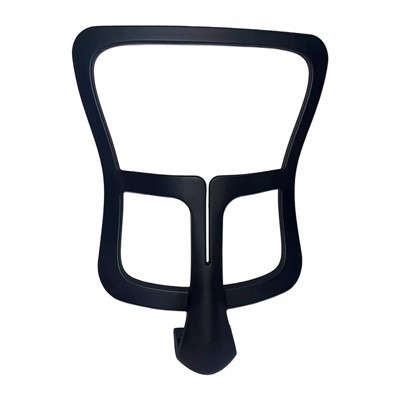
First off, let’s get one thing straight: leather back frames aren’t like those fabric chair parts you can just toss in the wash or scrub with soap. Most people make the mistake of using harsh cleaners on them, which eats away at the protective layer of the leather, especially on the back frame where it’s constantly pressed against clothes, sweat, and dust. I’ve had a customer send me a photo last month of his $2k leather office chair’s back frame covered in white splotches because he used generic glass cleaner on it. Total disaster. So the first rule? Gentle, consistent care is way better than deep cleaning once a year. Think of it like your skin—you don’t wait till it’s peeling to moisturize, right? Same energy here.
Let’s start with the daily stuff, because no one wants to do a 20-minute maintenance session every morning. If you’re using your chair regularly, especially in an office or a high-traffic spot, grab a dry microfiber cloth (I always link these in my shop’s maintenance guides, but you can get ’em anywhere, don’t overpay for the fancy branded ones) and give the back frame a quick wipe down every time you sit down to leave or when you get to work. Why? Dust, crumbs, and even the tiny fibers from your shirt or jacket can get caught in the leather’s pores and, over time, grind into it like sandpaper. I’ve noticed a huge difference in my own chairs at the shop—ones that get a quick daily wipe have zero fine scratches, even after 5 years, while the ones I forget about look dull and have that “worn-in” vibe that’s actually just neglect, not character. Pro tip here: don’t use that old t-shirt lying around, even if it’s soft. Cotton can have loose threads that pull on the leather grain, and the fabric softener residue is a no-go. Microfiber is non-negotiable here.
Now, let’s talk about the big one: cleaning the frame properly. Wait, when do you actually need to do that? If you spill coffee, soda, or wine on it, don’t wait—grab that microfiber cloth and blot immediately. Blot, not rub. Rubbing pushes the liquid deeper into the leather and spreads the stain. Press the cloth firmly into the spot, and change to a dry part of the cloth if it’s getting wet. If you let it sit for more than 10 minutes, you’re probably going to have a stain. For regular deep cleaning, I say do it every 6 months, max. More than that, and you’re stripping the leather of its natural oils. What do I use? I make a super simple DIY solution: equal parts distilled water and white vinegar, mixed in a spray bottle. Vinegar is mild, cuts through grease (like when someone eats lunch at their desk and gets crumbs that turn into oil), and doesn’t leave that sticky residue most commercial leather cleaners do. Spray a tiny bit on your microfiber cloth—never spray directly on the frame! Spraying directly can make the leather soak unevenly and cause discoloration. Wipe the back frame in gentle, circular motions, paying extra attention to the crevices where the leather meets the wooden or metal frame (wait, right, most back frames have a structural part—wood or metal—under the leather, so don’t forget those edges!). After you’re done, take a dry part of the cloth and buff it to remove any leftover moisture.
But wait, what about conditioners? Everyone tells you to condition leather, but no one tells you when to do it, and which kind to use. Let’s break this down. If you live in a super dry climate (like Arizona, or parts of the Plains), you’ll need to condition every 3 months. If you’re in a humid place (like Florida, or the Pacific Northwest), every 6 months is enough. How do you know when it’s time? If the leather looks dull, feels a little stiff, or you see tiny cracks starting to form around the edge of the back frame (that’s the structural part where stress is highest—super common). Don’t use those heavy conditioners meant for full-grain leather sofas, though. Back frames are often made with top-grain leather that’s a bit thinner, so a heavy conditioner will leave it greasy and attract dust. I recommend a light, pH-balanced leather conditioner—again, I stock these in my shop for exactly this reason, but any brand that says “for furniture leather” and isn’t labeled “heavy-duty” works. How to apply it? Take a pea-sized amount on your microfiber cloth, rub it into the cloth so it’s spread out (you don’t want a glob), and wipe it all over the back frame, again gentle circular motions. Let it sit for 15 minutes, then buff off the excess. If you leave conditioner on, it will rub off on your clothes—trust me, I learned that when I first started doing this, my nice work shirt had a grease spot for a week.
Now, let’s tackle the stuff you shouldn’t do, because I’ve seen every bad mistake. First, no leather wipes with harsh chemicals—those ones in the plastic pack that say “kill 99% of germs?” They have alcohol or bleach, which dries out leather faster than anything. I’ve had a frame come back to me because a customer used these after their kid spilled juice, and the leather peeled at the hinge area within a month. Second, don’t lean super hard on the top edge of the back frame. The structural frame under the leather—whether it’s wood or metal—isn’t meant for constant, heavy pressure. I had a customer a while back who would swing his chair back all the way, putting all his weight on the top of the back frame, and the wood under the leather cracked, making the leather split. If you need to adjust your chair, use the armrests, not the back frame. Third, keep it away from direct sunlight and radiators. Sunlight fades leather over time, especially if it’s hitting the same spot every day, and radiators dry it out so fast you’ll notice cracks in a season. I have a display chair at the shop that’s by a window, and after a year, the back frame is half as dark as the other chairs not near the window. Move your chair if you can, or get a simple window film to block UV rays.
Wait, what about those little scuffs? Nothing ruin’s a nice leather back frame like a scratch from a belt buckle or a dog. For minor scuffs, grab a clean pencil eraser (the white kind, not the pink one) and gently rub the scuff. Most of the time, it will lift right off. If that doesn’t work, you can get a leather repair pen that matches the color of your leather. Don’t just grab any black pen—match the exact shade, because leather has different undertones. I always tell my customers to note the color code when they order a frame from me, and keep a small repair pen on hand for this. For bigger scuffs, like if someone dragged a suitcase across it, that’s when you might need a professional, but 9 times out of 10, the eraser trick works.
Now, let’s talk about how I factor this into the frames I supply. When I make each back frame, I use top-grain leather that’s treated with a light protective coating, which means it doesn’t need super heavy maintenance. But that coating will wear off over time, which is why regular gentle care is key. I tell all my customers that these frames are built to last 10+ years if you treat them right, but if you neglect them, they’ll fall apart in 2 years. That’s why I don’t just sell frames—I send a little care guide with every order, and offer free troubleshooting if you have questions. No pushy sales stuff, just real advice.
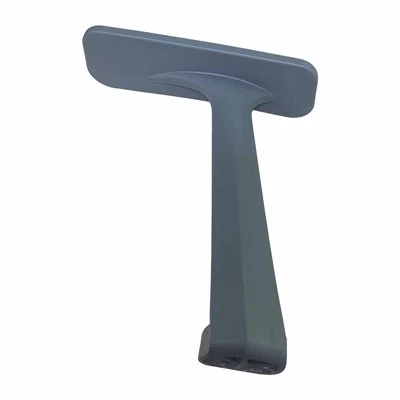
If you’re reading this and your back frame is looking a little worse for wear, don’t panic. Most issues are fixable with the right steps. If you’re in the market for a new frame, whether you need to replace a cracked one or upgrade your old chair, feel free to reach out for more details. I work with all kinds of chairs, from office to dining, and I can help you pick the right size and leather that fits your needs. Whether you just need a quick question answered or want to place an order, I’m here to help—no complicated forms, just a real person talking about chairs they actually know.
Chair Back Frame References:
- Leather Industry Maintenance Guidelines, American Leather Association, 2022.
- Furniture Care Best Practices, National Home Furnishings Association, 2023.
- Top-Grain Leather Durability and Care, International Leather Working Group, 2021.
Dongguan Weihong Furniture Co., Ltd.
As one of the most professional chair back frame manufacturers and suppliers in China, we also support customized service. We warmly welcome you to buy high quality chair back frame made in China here and get pricelist from our factory. For price consultation, contact us.
Address: No.145, Qingzhang Road, Changshantou Village, Qingxi Town, Dongguan City, Guangdong Province, China
E-mail: 1243042726@qq.com
WebSite: https://www.whfurni.com/
