If you’ve ever picked up a bag of specialty bread, looked at the label on a sports drink, or even wondered what gives some canned fruits their crispness, you might have glanced over a long list of ingredients and thought, “Wait, what are all these random chemicals doing in my food?” As a potassium sulfate supplier, I get this question all the time—especially since sulfate-based compounds have a weird reputation for being “industrial stuff” rather than something you’d eat. But here’s the thing: potassium sulfate (let’s just call it K2SO4 to keep it casual) is way more than a fertilizer or lab reagent. It’s actually a workhorse in the food industry, and it’s been there for decades, even if most people don’t notice it. Potassium Sulfate
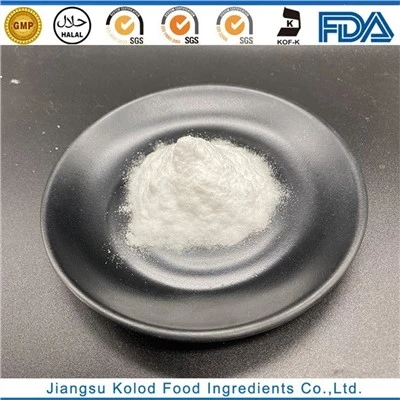
Let’s start with the basics, because I know how easy it is to mix this up with other sulfates or potassium compounds. Potassium sulfate is a salt made of potassium (that mineral everyone pushes for heart health and electrolyte balance) and sulfate (a naturally occurring ion that’s in your body too, by the way—don’t let the word “sulfate” scare you). It’s different from potassium chloride, which is sometimes used as a salt substitute for people on low-sodium diets, because it doesn’t have that harsh metallic aftertaste that turns a lot of folks off. That makes it way more versatile when you’re working with food where taste matters.
Now, why would food manufacturers even use it? Let’s break down the key roles, and I’ll tie in stuff we’ve seen as a supplier because that’s the real, on-the-ground stuff you won’t find in a textbook. First up: bakery goods. You’ve probably seen it in artisanal bread, bagels, and those crumbly shortbread cookies that use a lot of butter. Bakers love K2SO4 because it acts as a dough conditioner. Wait, what’s a dough conditioner? Think of it as a little helper that makes dough easier to work with—stretchy, not too sticky, and able to hold its shape when it’s proofing (that’s the rise before baking). For bagels, specifically, it’s often added to the boiling water before they go in the oven. That small addition gives the crust that shiny, chewy exterior everyone obsesses over, and it also helps the bagel stay fresh longer. We supply a lot of small-batch bakeries with this, actually—they love that it’s not some weird, unpronounceable ingredient their customers would side-eye, and it does the job better than some of the alternatives.
Next, canned and preserved foods. Canned peaches, pears, even some pickles—you might spot K2SO4 in their ingredient lists. Why? It’s a firming agent. When you heat fruit or veggies for canning, the heat breaks down their cell walls, right? They turn mushy, and no one wants a mushy peach in their canned fruit cup. Potassium sulfate stops that. It reacts with the pectin in the produce to keep the cell walls intact, so the fruit stays crisp and holds its shape, even after months on a shelf. I remember one time a client called us panicking because their canned pears were coming out soft and crumbly—we walked them through adjusting the amount of K2SO4 they were using, and within a week, they were back to having perfect, firm fruit. That’s the stuff that doesn’t make the news, but it keeps food companies in business and people happy with their snacks.
Then there’s sports drinks and nutritional beverages. A lot of people don’t realize this, but electrolytes aren’t just sodium—potassium is huge for replenishing what you lose when you sweat. Potassium sulfate is a clean way to add that potassium without messing with the taste of the drink. Unlike some other potassium supplements, which can make a drink taste bitter or soapy, K2SO4 dissolves easily and has a neutral flavor. We’ve worked with a few sports nutrition brands lately that switched from other potassium sources because they couldn’t get the taste right for their low-sugar, natural-drink lines. It’s also used in some infant formulas, too—wait, hold on, that’s a big one, and it’s something we take really seriously as a supplier. Infant formulas need exactly the right balance of minerals to support development, and potassium sulfate is a safe, well-studied way to add potassium and sulfate that’s easy for little bodies to process. The FDA’s got strict rules about how much can be used, of course, and we make sure every batch we send meets those standards.
Now, let’s address the elephant in the room: is it safe? I get it, when you hear “chemical in food,” your first thought is “harmful.” But let’s separate fact from fear here. Multiple global food safety bodies—like the FDA, EFSA (the European Food Safety Authority), and the Joint FAO/WHO Expert Committee on Food Additives (JECFA)—have classified potassium sulfate as GRAS (Generally Recognized As Safe) for use in food, with no upper limits set for most applications, because it’s non-toxic in the amounts used. The only caveat? If you’re getting way more potassium than your body needs, that’s a problem, but the amount in food is tiny—like, a milligram or two in a serving of canned fruit, way less than a banana has. Even for people with kidney issues, who have to limit potassium, the amount from food-grade K2SO4 is negligible. We do a ton of testing on every batch we produce, too, to make sure there are no contaminants—no heavy metals, no residual chemicals from production—because food-grade stuff is way different than the K2SO4 used for fertilizer (that’s a whole other product, and we’d never mix those two up).
Wait, let’s bust a myth here too: some people confuse potassium sulfate with sulfates in personal care products, like shampoo. The sulfates in shampoo are usually sodium lauryl sulfate or sodium laureth sulfate, which are surfactants that clean dirt and oil. The sulfate in potassium sulfate is sulfate ion, which is totally different—no harsh cleaning properties, and it’s a natural part of the environment. It’s in soil, it’s in water, your body excretes excess sulfate easily. So that fear you might have about sulfates in shampoo? It doesn’t apply here.
Now, let’s talk about why there’s not more buzz about K2SO4 in food. A lot of food additive labels just list it as “potassium sulfate” so it’s not front and center, but it’s a critical part of a lot of products people use every day. For small food manufacturers, especially, it’s a go-to because it’s affordable, easy to source, and works without requiring a lot of extra processing. Unlike some specialty ingredients that have to be imported or come with long lead times, food-grade potassium sulfate is stable, has a long shelf life, and can be shipped almost anywhere— which is why we’ve got clients all over North America, and even some in Europe and Asia.
As a supplier, let me tell you, the biggest misconception we run into is that people think we just sell fertilizer. Nope. We have a whole line of food-grade K2SO4 that’s manufactured in facilities that follow GMP (Good Manufacturing Practices), just like pharmaceutical companies. That means no cross-contamination with agricultural-grade product, strict quality checks at every step, and documentation every time a batch leaves our warehouse. A few years back, a craft brewery reached out to us because they were having trouble with their beer’s clarity—turns out, adding a tiny amount of K2SO4 during fermentation helped prevent haze, and it didn’t affect the beer’s flavor. That’s a new use case we didn’t even know about before, and it’s been one of our most popular small-batch orders ever.
Is there any pushback against potassium sulfate in food? Sure, some plant-based or organic brands avoid it because it’s a synthetic compound, even though it’s naturally occurring. But here’s the thing: the organic version of potassium sulfate (from kelp, for example) is way more expensive, and it’s hard to get consistent quantities for large-scale production. So a lot of brands—even some organic ones—use the food-grade synthetic version because it’s safer, more reliable, and doesn’t have the environmental impact of harvesting kelp on a mass scale. But that’s a choice each brand makes, and we work with both sides—regular and organic-focused—because we just supply the safe, tested product that does the job.
Let me wrap this up with what this means for anyone who’s in the food industry, or just curious about what’s in their food. Potassium sulfate isn’t some weird industrial chemical—it’s a valuable, safe ingredient that helps make bread chewy, canned fruit crisp, and sports drinks taste good. As a supplier, we’ve spent years perfecting our food-grade product, making sure it meets all the safety standards, and supporting small and large food companies alike. If you’re a baker, a canner, a beverage maker, or anyone who uses ingredients in food production, and you’re looking for a reliable source of food-grade potassium sulfate, we’re here to help. We can answer questions about usage rates, testing, and how to incorporate it into your process without messing with your recipes. Don’t let the “sulfate” name throw you—this is one ingredient that’s earned its spot in the food supply.

If you’re interested in learning more about food-grade potassium sulfate, or want to chat about a specific use case for your products, reach out to us. We’re happy to walk you through everything from batch specifications to compliance with local food safety rules. We get that every manufacturer has unique needs, so we work with you to provide a product that fits exactly what you’re looking for.
Potassium Bicarbonate References
- U.S. Food and Drug Administration. (2024). Food Additive Status List: Potassium Sulfate.
- European Food Safety Authority. (2021). Re-evaluation of Potassium Sulfate as a Food Additive.
- Joint FAO/WHO Expert Committee on Food Additives. (2019). Summary and Evaluation of Potassium Sulfate.
- American Bakers Association. (2022). Dough Conditioners and Modern Bakery Practices.
- Journal of Food Science. (2020). “Firming Agents in Canned Tree Fruits: Mechanisms and Applications.”
Jiangsu Kolod Food Ingredients Co., Ltd.
As one of the most professional potassium sulfate manufacturers and suppliers in China, we’re featured by quality products and good price. Please rest assured to wholesale bulk potassium sulfate made in China here and get free sample from our factory. Customized orders are welcome.
Address: South Side of Weier Road, Guanyun Development Zone, Lianyungang City, Jiangsu Province, China
E-mail: sales1399@jskolod.com
WebSite: https://www.kolod-group.com/
