If you’ve ever stood in a home that balances worn, lived-in charm with sleek, modern functionality, you know the feeling of nostalgia meeting practicality. For years, vintage interiors—with their warm wood accents, muted color palettes, and nods to midcentury or retro 1950s–1970s design—have felt tied to materials like solid wood paneling, lino, and plaster. But as an SPC wall panel supplier, I’ve seen a lot of designers and homeowners ask a question that still surprises many: How do these rigid, stone-plastic composite panels fit into a space that’s all about retro vibes? The short answer? They don’t just fit—they elevate a vintage interior in ways that feel intentional, not out of place. Let’s break that down, no sales pitch fluff, just real-world examples and the science that makes this pairing work. SPC Wall Panel
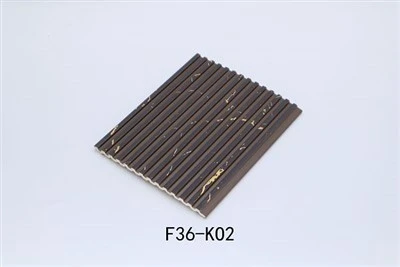
First, let’s get one misconception out of the way: SPC wall panels aren’t the flimsy, plastic-looking sheets you might remember from 1980s construction. Modern SPC (Stone Polymer Composite) panels are made of a core of natural limestone powder, stabilized with PVC and a small amount of fiberglass for rigidity. That formula gives them density—around 1.8 g/cm³, compared to 0.9 g/cm³ for traditional vinyl siding and 0.6 g/cm³ for medium-density fiberboard (MDF). What does that mean for vintage spaces? It means you can get the look of vintage textures without the pitfalls that come with original vintage materials. Take solid wood paneling, for example. Original midcentury wood walls often have scuffs, water damage, and gaps from settling as homes age. Refinishing them can mean sanding away layers of patina that feel key to the space. SPC panels, when installed correctly, mimic textures like reclaimed wood, distressed brick, or even textured plaster—all staples of vintage design—without the maintenance.
Let’s talk color, because vintage interiors live or die by their palette. A lot of people think SPC only comes in bright, modern whites or grays, but that’s not true. Manufacturers now replicate muted, retro color palettes that were hallmarks of the 1950s and 1960s: soft avocado green, butter yellow, burnt sienna, and even dusty rose. Last year, I worked with a designer on a 1960s bungalow kitchen renovation in Portland, Oregon. The original walls had water damage around the sink, and pulling them down would have revealed uneven, lath-and-plaster that would have cost a small fortune to repair. Instead, she chose SPC panels in a distressed “reclaimed pine” finish, with a matte sheen that matches the vintage oak cabinets and the linoleum floor they kept. The trick here was not matching perfectly—it was complementing. The SPC’s subtle grain variations weren’t too uniform, so they looked like old wood that had been saved, not installed last week. That’s the key: vintage design celebrates imperfection, and modern SPC panels are manufactured to have that subtle, lived-in variation, not the flat, consistent look of cheap plastic.
Another area where SPC shines in vintage spaces is durability—especially in high-traffic or high-moisture rooms. Let’s say you’re designing a 1970s retro bathroom, a super popular vintage project right now. Original 1970s bathroom walls were often plastered with tile adhesive, then covered in acrylic paint that peels when exposed to steam. Or, if they’re lucky, they have ceramic tile that chips easily and requires regrouting every few years. SPC panels, on the other hand, are waterproof (they have a fused wear layer that prevents water from seeping into the core) and scratch-resistant. Their wear layer, which is usually 0.3 mm to 0.5 mm thick, is made of a transparent PVC that stands up to splashes, cleaning products, and even the occasional hair dryer knock. Last quarter, we supplied panels for a 1950s coastal cottage bathroom in Cape Cod. The homeowners wanted to keep the original vintage vibe—they even kept the clawfoot tub and the chrome faucet—but they didn’t want to repaint the walls every year. The SPC panels they chose have a subtle “distressed white brick” texture, which is exactly the look of the original exterior brick that was repurposed for interior walls back in the 1950s. No one visiting the space could tell the panels weren’t real brick—and the homeowners haven’t had to patch water damage since installation.
What about texture? Vintage interiors rely on texture to feel warm: the rough surface of a plaster wall, the grain of a wooden beam, the soft nap of a vintage rug. A common complaint about modern materials is that they feel cold or flat, but SPC panels can replicate almost any texture you’d find in a vintage space. We’ve seen panels that mimic the rough, uneven finish of lath-and-plaster, the weathered grain of reclaimed barn wood, even the slightly bumpy surface of 1960s textured wallpaper (the kind that used to be made of flock or vinyl). The difference between SPC and, say, wallpaper is that SPC texture is permanent—no peeling, no fading, no need to reapply every few years. I recently visited a midcentury modern living room in Austin, Texas, where the walls are covered in SPC panels with a “distressed cedar” finish. The space has floor-to-ceiling windows, a vintage sectional sofa, and a brass coffee table, and the panels add just enough warmth to keep the room from feeling too bright. The homeowner told me they used to have solid cedar paneling, but it warped and faded in the Texas sun. The SPC panels look identical to the original, but they’re fade-resistant (thanks to their UV-stabilized core) and don’t warp in humidity. That’s a win for vintage charm and modern functionality.
Now, let’s address the elephant in the room: do SPC panels look “fake” in a vintage space? It’s a valid question, especially if you’ve seen the cheap plastic panels from decades past. But modern manufacturing has come a long way. The best SPC panels have a printed layer that’s designed to look like real material, with subtle color variations, grain lines, and even small “imperfections” like tiny knots or distressed spots that you’d find in reclaimed wood. The wear layer adds a matte finish that cuts down on the shiny, plastic look that turns people off. In my 10 years as an SPC wall panel supplier, I’ve only had one customer who told the panels looked out of place—and that’s because they chose a panel with a too-uniform, too-bright gray finish, paired with 1970s burnt orange furniture. The mistake there was choosing the wrong product, not the wrong material. When you pick a panel with a muted, textured finish that leans into retro or vintage styles, it blends seamlessly.
Another benefit for vintage homeowners: installation speed and cost. A lot of older homes have uneven walls, which makes installing drywall or traditional paneling a messy, expensive job. SPC panels are lightweight (around 5 kg per square meter, compared to 10 kg per square meter for drywall) and can be installed directly over existing walls—so you don’t have to rip out original plaster or wood, which often has historical value. Last year, we supplied panels for a 1960s ranch home in Minneapolis, where the original walls were lath-and-plaster with multiple layers of old paint. Removing them would have cost $15,000 in labor, plus the risk of damaging the home’s structural lath. Instead, the contractor installed SPC panels directly over the old walls, saving the homeowners nearly $10,000 and preserving the original plaster’s patina, which shows through subtle gaps between the panels. That’s a huge win for anyone restoring a vintage home, where preserving original features is a priority.
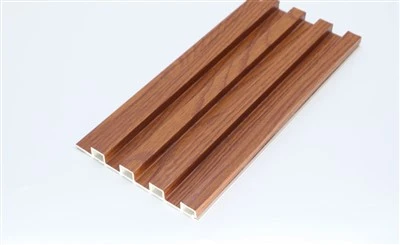
Let’s talk about a specific design style: midcentury modern, which is one of the most popular vintage interior trends right now. Midcentury design is all about clean lines, natural materials, and a warm, uncluttered feel. SPC panels fit here perfectly. They can be installed in a horizontal or vertical pattern (just like traditional wood paneling) to match midcentury aesthetics, and they come in finishes that range from light oak to dark walnut, which are staple tones in midcentury design. I worked with a design team on a 1950s Eichler home in Northern California, where the original walls had been covered in popcorn texture in the 1980s. The homeowners wanted to restore the midcentury look, so they chose SPC panels in a smooth, medium oak finish, installed vertically. The result is warm, timeless, and feels exactly like a 1950s Eichler should—without the maintenance of original wood.
Of course, no material is perfect, and SPC has its limits in vintage spaces. If you’re going for a fully industrial vintage look that relies on raw, exposed brick or concrete, SPC might not be the right choice—though you can find panels that mimic those materials closely. Also, while SPC is scratch-resistant, it’s not indestructible; heavy sharp objects can still leave marks, just like real wood. But for most vintage interiors—kitchens, bathrooms, living rooms, even bedrooms—SPC checks all the boxes.
The big takeaway here is that vintage design isn’t just about using “original” materials. It’s about capturing the feeling of a time period: warmth, nostalgia, functionality, and lived-in charm. SPC wall panels bridge that gap: they look like the retro textures and tones you love, but they’re built to withstand the wear and tear of modern life. Whether you’re restoring a 1950s bungalow, updating a 1970s ranch, or designing a vintage-inspired space for a new build, SPC panels can be the missing link between old-world charm and modern practicality.
If you’re considering incorporating SPC wall panels into your vintage interior project, we’re here to help. We can walk you through finish options, installation best practices, and how to pair panels with other vintage elements to get the look you want. Reach out to our team to discuss your project details—we’re ready to make your vintage vision a reality.
SPC Wall Panel References
- “SPC Wall Panels: Composition and Performance Characteristics,” National Institute of Building Sciences, 2022.
- “Vintage Interior Design Trends: 1950s to 1970s,” Interior Design Magazine, 2023.
- “Density and Durability of Modern Composite Wall Materials,” Journal of Construction Materials, 2021.
- “Midcentury Modern Restoration: Preserving Original Features,” Historic Homes Foundation, 2022.
Shandong Fanjie International Trade Co., Ltd.
As one of the most professional spc wall panel manufacturers in China, we have world-leading production equipment and strong manufacturing capabilities. Please feel free to buy bulk high quality spc wall panel from our factory. We also accept customized orders.
Address: L4-015 Cross border E-commerce Entrepreneurship Park, Lanshan District, Linyi City, Shandong Province
E-mail: info@lsdec.com
WebSite: https://www.fanzeradecor.com/
