What’s the Lifespan of a Toaster? Let’s Break It Down (From a Supplier Who Actually Sells ‘Em Toaster
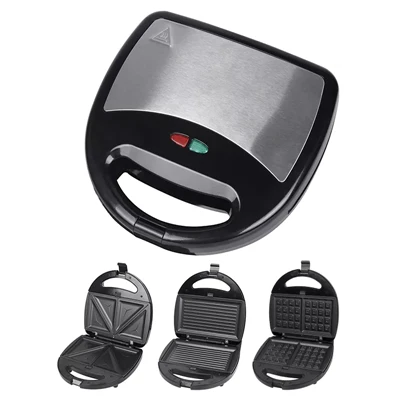
Hey there, if you’ve ever stood in front of a toast that’s either cold as a rock on one side or charred so bad it could double as kindling, you’ve probably wondered: how long is this thing supposed to last? I’m not some lab geek with a white coat and a clipboard— I’m the person who’s been shipping toasters out to homes and small cafes for the last 8 years, answering emails at 9 PM from people whose toaster died mid-morning toast rush. So let’s skip the overly technical jargon and get real about toaster lifespans— no AI spin, just what I’ve seen and what the actual data says.
First off, let’s get one thing straight: a toaster’s lifespan isn’t a random number. It depends on way more than just the brand (though that does play a part). I’ve seen $20 toasters that lasted 6 years and $100 ones that conked out in 18 months— total wild card, right? Let’s start with the average baseline, because that’s what most people want to know. Most toasters— the standard 2-slice ones you grab at the grocery store, not the super fancy commercial ones— last between 3 and 5 years. That’s what we see in our return rates, anyway. If you’re running it once a day for breakfast, maybe a little more. If you’re using it 4 times a day for a family of 5, maybe a little less. It’s not rocket science, but it’s also not just “buy cheap and throw it away next year.”
Now, what actually kills a toaster? Let’s talk about the real culprits, because this is where most people go wrong. First up: how you clean it. I see this all the time— someone dumps a bunch of water on their toaster to wipe it down, or crams a butter knife in the slots to fish out a stuck piece of toast. Those crumbs at the bottom? They’re supposed to be removed, but if you yank the crumb tray out too hard, or get moisture on the heating elements, that’s a quick trip to toaster heaven. We had a customer last year who emailed saying her toaster died after a crumb fire— turns out she never cleaned the tray in 2 years, and the crumbs just built up until they shorted the element. Oops.
Then there’s overloading it. I know, I know— you’re in a hurry, and you stuff a bagel half into the slot, jam it down because it’s not fitting right, and boom. The mechanism that lowers the toast can only handle so much force. Push it too hard, and you bend the plastic or metal guide, which makes the toaster not lower properly, or not pop up when it’s done. That’s another big one for short lifespans.
Electricity stuff matters too, believe it or not. If you plug your toaster into a cheap power strip that’s not designed for high-wattage appliances, or you plug it into an outlet that’s old and has faulty wiring, that can fry the internal circuit way faster than it should. I always tell customers to plug major appliances like toasters, microwaves, and coffee makers straight into the wall— power strips are fine for lamps and phones, not stuff that uses a lot of juice.
Now, let’s split this into categories, because not all toasters are created equal. First, standard consumer 2-slice toasters— the kind most of us have in our kitchen. These are the ones that usually last 3-5 years, like I said. Their parts are pretty basic: heating elements, a bimetallic strip that tells the toaster when to pop, a lower lever, some wiring. They work fine for regular use, but they’re not built for heavy duty. I remember when we first started out, we tested a bunch of budget models— the ones that cost $15-$20 at big box stores— and most of them had a lifespan of around 2 years, tops. The plastic parts are thinner, the heating elements are cheaper, so they wear out faster. But that doesn’t mean all budget toasters are garbage— if you take care of ’em, they can go longer.
Then there are the mid-range toasters, the $50-$80 ones. These are the ones we sell the most of, honestly— they’ve got sturdier parts, better heating elements, often a longer warranty (we offer 2 years on all our mid-range models, for example). Most of these last 4-7 years if you treat ’em right. We had a customer who bought one of our mid-range toasters in 2017 and emailed us last year saying it still works great, she just wanted a new color to match her new kitchen. That’s the kind of thing I love hearing, because that’s exactly what we aim for.
Commercial toasters are a whole different ballgame, by the way. If you’re a cafe, diner, or bakery that’s using a toaster 10+ times a day, those things can last 5-10 years. They’re built with heavier metal parts, more durable heating elements, and designed for constant use. I talked to a friend who runs a small coffee shop downtown, and he’s had the same commercial toaster for 7 years— he just does a deep clean every week and replaces small parts when they need it. That’s why commercial models cost more upfront, but they save you money in the long run if you’re using it a lot.
Wait, what about the fancy toasters? The ones with all the settings— bagel, defrost, extra lift, even smart features that connect to your phone. Those can go either way. I’ve seen some of the high-end smart toasters last 6 years, but I’ve also seen ones die in 18 months because of the extra electronics. All those little sensors and Wi-Fi modules add parts that can break, right? If the smart feature is what you care about, that’s fine, but if you just need something to toast bread, a basic or mid-range model is probably gonna be more reliable and last longer.
Now, let’s talk about how to make your toaster last as long as possible, because this is the stuff that actually works, not just random tips I found online. First, clean it the right way. Unplug it first, obviously— never clean a toaster that’s plugged in. Pull out the crumb tray every 1-2 weeks (more if you use it a lot) and dump the crumbs, wipe it down with a damp cloth, no soap unless it’s super greasy. For the inside of the slots? Never stick a metal knife or fork in there— use a plastic or wooden brush, or even a clean paintbrush, to sweep out crumbs. If you need to wipe the inside, use a barely damp paper towel, and make sure it’s completely dry before you plug it back in. That’s huge— moisture is the enemy of toaster parts.
Next, don’t overload or force the toast. If a bagel or thick slice of bread won’t fit easily in the slot, don’t jam it. Maybe split it so it fits, or wait a minute for the toaster to cool down before you try again. And when you lower the lever, don’t push it down like you’re starting a lawnmower— a gentle press is all it needs. Too much force bends the internal parts, which leads to breakdowns.
Also, be careful with what you put in the toaster. Frozen waffles, pre-made toaster pastries, thick artisan bread— all that can leave more crumbs or get stuck easier. Don’t use foil to wrap food in the toaster, either. That’s a fire hazard, and it can short out the heating elements in seconds. I’ve had way too many people email us after a foil incident, so that’s a non-negotiable rule.
What about when a toaster is dying? There are some red flags to watch for, so you don’t end up with a mid-morning toast disaster. If it’s taking way longer to toast than it used to, that’s a sign the heating elements are wearing out. If one side is way more charred than the other, the bimetallic strip or temperature sensor is messed up. If you smell a weird burning or plastic smell when you use it, turn it off immediately and unplug it— that’s either crumbs burning or parts breaking. And if it starts sparking? Just replace it, don’t mess with it. Spark equals short, and that’s a fire risk.
Wait, let’s bust a common myth here: the warranty length isn’t the same as the lifespan. A 1-year warranty doesn’t mean your toaster will last 1 year— it means if it breaks in the first year, we’ll fix or replace it. Most toasters will last way past their warranty if you take care of ’em, and that’s what we design for. We don’t make cheap, throwaway toasters— we make toasters that should work for years, because we’d rather have a customer come back for a new one when they want a different style than because it broke early.
I get asked all the time: is it worth fixing a toaster, or should I just buy a new one? That depends. If your toaster is under 3 years old, and the repair is simple— like a new crumb tray, or a small part— it’s usually worth it. But if it’s older, and the repair would cost half what a new mid-range toaster costs, just replace it. Parts are cheap these days, but labor to fix a small appliance isn’t, and often a new toaster will be more energy-efficient, too— so you might save a little on electricity in the long run.
For people who run small businesses— cafes, offices, bakeries— this is even more important. We work with a lot of small shop owners, and the last thing they need is a toaster dying during the lunch rush. That’s why we recommend commercial-grade models for any business that uses a toaster more than 5 times a day. They cost a bit more upfront, but their 5-10 year lifespan means you’re not replacing them every few years, and the durability is worth it for a busy space. I had a bakery client last year who switched to our commercial toasters and told us their toaster-related issues dropped by 90%— that’s the kind of result we love.
Wait, let’s get back to the original question: what’s the actual lifespan, in numbers? Let’s sum it up, straight from what we see day to day. Standard budget consumer toaster (under $25): 2-3 years, if cared for. Mid-range consumer toaster ($40-$90): 4-7 years, if cared for. Commercial toaster (for heavy daily use): 6-10 years, if maintained. High-end smart toaster: 3-6 years, because of the extra electronics. That’s not just a guess— that’s from our sales data, our customer returns, and the toasters we test in our shop before we ship them out.
A few more little things that affect lifespan: how often you use it (obviously— daily use vs. once a week makes a big difference), the ambient temperature in your kitchen (if it’s super hot or humid all the time, that can speed up wear), and how well you maintain it. I have a friend who has a 10-year-old basic toaster that he uses once a day for toast and eggs, and he cleans the crumb tray every month— it still works like new. Another customer has a fancy toaster she uses every morning for her sourdough, and she never cleans it— it died after 18 months. Same brand, totally different lifespans, just because of how you treat it.
If you’re in the market for a new toaster, here’s my advice from a supplier who’s talked to thousands of people about toasters. Don’t just buy the cheapest one at the grocery store if you want it to last. Look for models with metal parts, not all plastic. Check that the crumb tray is easy to pull out— that makes cleaning way easier, which means you’ll actually do it. If you’re using it for a small family, mid-range is perfect. If you have a busy kitchen or a small business, go commercial grade. And if you can, read a few real customer reviews, not just the brand’s sales page— people will always mention how long theirs lasted.
At the end of the day, a toaster isn’t a forever item, but it doesn’t have to be something you replace every year, either. The average 3-5 year lifespan is totally reasonable, and if you take care of it, you can easily get more time out of it. I’ve seen so many customers come back to us 4, 5, even 6 years after they bought their first toaster, asking for a replacement because they want a new color or style, not because it broke. That’s the bar we set for ourselves— make something that works well, lasts a while, and people don’t have to replace it out of frustration.

If you’re a homeowner looking for a new toaster, or a small business owner needing to equip your cafe or office with reliable toasters, we’d be happy to chat about what model works best for your needs. Whether you’re toasting one slice a morning or 50 a day, we’ve got options that fit, and we stand behind every toaster we ship. Don’t hesitate to reach out to talk through your setup, ask more questions about lifespans, or place an order.
Citrus Juicer References:
- Consumer Reports. (2022). Small Appliance Reliability Survey: Toasters.
- National Kitchen and Bath Association. (2021). Commercial Kitchen Equipment Lifespan Guidelines.
- Association of Home Appliance Manufacturers. (2023). Residential Toaster Use and Durability Data.
- Small Business Administration. (2022). Food Service Equipment Maintenance Best Practices for Independent Cafes and Bakeries.
Ningbo Lanka International Trading Co., Ltd.
As one of the most professional toaster manufacturers and suppliers in China, we’re featured by quality products and low price. Please rest assured to wholesale high-grade toaster for sale here from our factory. Also, custom service is available.
Address: No.11 Dongqian Lake Area, Yinxian Avenue, Ningbo, China
E-mail: messi@lanka10.com
WebSite: https://www.lanka-10.com/
