Hey everyone, I’m Jake, and for the last 8 years, I’ve been running this car cover fabric supply business—yep, the one that you’ve probably seen popping up at those automotive trade shows and Reddit car communities. These days, I get so many DMs and calls from convertible owners panicking because they just dropped $50k on that classic Miata, beat-up Mustang GT, or even a brand-new Tesla Roadster, and now they’re staring at it in the driveway, wondering if that cheap Amazon car cover they grabbed will actually keep it looking good. Car Cover Fabric
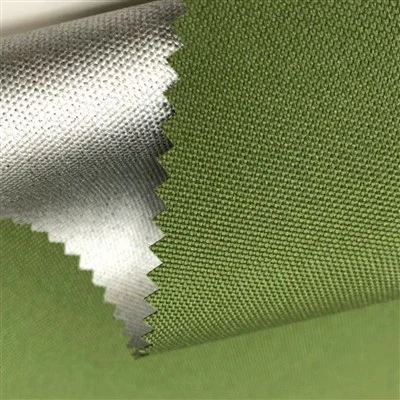
Let me be real for a second: a convertible’s top and exterior are way more fragile than a hardtop car. That fabric roof? It’s not made to sit under brutal sun, pouring rain, or even that random tree that drops sap the second you park under it. And the cover you choose? That’s not just a “protective sheet” – it’s the first line of defense between your pride and joy and all the garbage Mother Nature and the city can throw at it. I’ve seen so many guys spend thousands on a convertible only to wreck the paint or top because they picked the wrong fabric. So today, let’s break down exactly how to pick the right car cover fabric, no fancy jargon, just stuff I’ve learned from years of talking to owners and testing every material under our warehouse roof.
First up, let’s start with the most important question people skip: where are you storing your convertible? That’s the biggest factor when choosing fabric, I swear. If you’ve got a dedicated garage, climate-controlled, locked up tight from dust and critters? You don’t need the $200 heavy-duty industrial fabric (don’t @ me, I sell that stuff but it’s overkill for garages). But if yours is parked on a driveway, street, or even a covered patio that gets sun and rain? Oh buddy, you need to step up.
I’ll break down the main fabric options we supply, and when to use each—no sales pitch, just straight up truth.
First, the OG: polyester. Wait, not the cheap thin polyester from dollar store covers. The good stuff we stock is woven polyester, usually with a lightweight to midweight weave. Why is this a go-to for garage-stored convertibles? It’s breathable, first off. That’s huge—if you use a non-breathable fabric in the garage, moisture gets trapped between the cover and your paint, leading to rust spots or mildew on the top. Woven polyester is flexible too, so it doesn’t scratch that clear coat on your paint when you yank it on or off in a hurry. I recommend this for people who only park their convertible at home, never leave it out, and don’t deal with heavy elements. The only downside? It’s not great for long-term outdoor use—sun will break down the weave over a year or two, it fades, and it doesn’t hold up to heavy rain as well as other options.
Next up: polypropylene. Wait, this is the stuff people mix up with cheap poly, but our polypropylene is a bonded non-woven fabric, way more durable than basic polyester. It’s lighter than heavy-duty fabrics, but it’s water-resistant (not waterproof—important distinction) and UV-resistant. I see a lot of people use this for occasional outdoor parking, like if you go out of town for a week and leave your car on the driveway. Wait, but here’s a pro tip: never use non-breathable polypropylene for long-term outdoor parking. Even water-resistant, if it’s not breathable, condensation builds up, and that’s how you get mold spots on your convertible top. Our polypropylene is also affordable, so it’s a solid middle ground if you don’t want to drop big money but need something better than a flimsy store-bought cover.
Now, the workhorse for anyone who parks their convertible outdoors regularly: acrylic. Oh man, acrylic fabric is where it’s at for sun protection. It’s that golden stuff that can stand up to 5+ years of direct sun without fading. Why? Acrylic has natural UV inhibitors woven right into the fiber, not just sprayed on the surface (unlike some cheap fabrics that wash off after a few rainstorms). It’s also breathable, so no trapped moisture, and it’s tear-resistant enough to handle wind or random small branches bumping into it. I’ve had customers with convertibles that live on the street year-round in places like Arizona or Texas—they swear by our acrylic covers. The only con? It’s a little heavier than polyester, so if you’re folding it and stowing it in a trunk, it takes up a bit more space, but for most people, that’s a tiny trade-off for keeping their car looking good.
Wait, hold on—let’s talk about waterproof fabrics, because that’s a big point of confusion. A lot of people think they need a 100% waterproof cover, and that’s where they go wrong. The only waterproof fabric we supply is a laminated polyester, but here’s the catch: it’s NOT breathable. If you use that on a convertible parked outdoors? Rain gets in, and when the sun comes out, all that trapped moisture turns into mildew on your top. For convertibles, breathable water-resistant is way better than 100% waterproof, because convertible tops are often fabric themselves, and moisture is their worst enemy. I once had a customer who used a waterproof laminated cover on his 1969 Camaro convertible for a winter, and by spring, his top had huge black mildew stains that he never got out. Trust me, breathable > 100% waterproof for convertibles.
Then there’s the heavy-duty stuff: polyester-cotton blends. Wait, this is for people who really need maximum protection—like if you park your convertible in an area with extreme weather, hail, high winds, or even occasional snow. Our polyester-cotton blend is a thick woven fabric, it’s tear-resistant, UV-stabilized, and it’s thick enough to stand up to light hail without dinging your paint. The only downside? It’s a bit bulkier, and if you get a really rainy period, you might want to hang it out to dry right away, because the cotton part absorbs moisture (though it’s treated to resist mildew). This is the premium option, and it’s worth every penny if your convertible is your daily driver or you live somewhere with brutal weather.
Wait, let’s not forget about the little things that matter, even more than the fabric itself. Because a great cover with bad accessories is useless. First, look for fabric with anti-scratch coating. All our outdoor fabrics have that—little micro-fibers on the inside that don’t rub against your paint. No more those tiny swirl marks from a cheap cover that’s been dragged around. Second, fit. A cover that’s too loose will flap in the wind, creating friction that wears down the fabric and scratches your paint. A too-tight cover will put pressure on the convertible top, especially the seams, leading to tears. So make sure your fabric is compatible with custom-fit covers, or if you’re using a universal, go for a fabric that stretches a little (acrylic is great for that, actually). Third, maintenance. The fabric’s care instructions matter. Polyester is machine-washable, acrylic is hand-washable to keep the UV inhibitors working, the blend is spot-clean only. If you don’t want to deal with washing a bulky cover, that’s a factor too.
Wait, I should address the elephant in the room: why would you buy fabric from a supplier instead of a pre-made cover? Let’s be real—pre-made covers are one-size-fits-most, and the fabric is cut to a generic shape, so you end up with extra fabric flapping around or tight spots over the top. When you buy the fabric from us, you can get it cut to the exact dimensions of your convertible, so it fits like a glove. Also, pre-made covers often use cheap, low-quality fabric that falls apart in a year. Our fabrics are tested to last 5-7 years outdoors, and 10+ years indoors, so that’s a way better investment. I have a customer who’s had our acrylic fabric cover his Miata for 6 years now, and it still looks brand new—he just takes it off when he drives, washes it once a year, and stores it in the trunk. No tears, no fading, no mildew. That’s the stuff you want.
Let’s do a quick cheat sheet to make this easy, because I know this is a lot of info:
- If you park your convertible in a climate-controlled garage 99% of the time: Go with woven polyester (lightweight, cheap, breathable, no overkill)
- If you park it outdoors occasionally (1-2 months a year, not long-term): Go with polypropylene (affordable, water-resistant, good for short stints)
- If your convertible lives outdoors year-round in moderate weather: Go with acrylic (best balance of UV protection, breathability, durability)
- If you live in extreme weather (hail, heavy snow, high winds): Go with polyester-cotton blend (maximum strength, weather resistance)
- Rule #1 for convertibles: Never use a non-breathable 100% waterproof fabric. It’s a disaster waiting to happen.
Wait, one last thing I get asked all the time: do I need extra features like UV protection or heat resistance? All our outdoor fabrics have UV protection, that’s non-negotiable for anything parked outside. Heat resistance is good if you live in a place where the sun is super intense, like Florida or Arizona—our acrylic fabric has heat-resistant coatings that prevent the cover from getting too hot, so it doesn’t transfer heat to your paint, which can cause clear coat damage over time. That’s a tiny add-on but it’s worth it if you’re in a hot climate.
Now, let’s cut to the chase. If you’re ready to stop guessing and get the right fabric for your convertible, hit us up. We don’t do spammy sales calls or pushy upsells—we’ll ask you a couple quick questions: where do you park it, how often, what climate you’re in, and we’ll point you to the exact fabric that fits your needs. No need to waste money on stuff you don’t need, no need to settle for cheap covers that will ruin your car.
If you’ve had a bad experience with a car cover that scratched your paint or faded in a year, drop a comment below—tell me what happened, and I’ll shoot you a recommendation. For anyone looking to upgrade, just reach out, and we can work with you on custom sizing for whatever convertible you own.
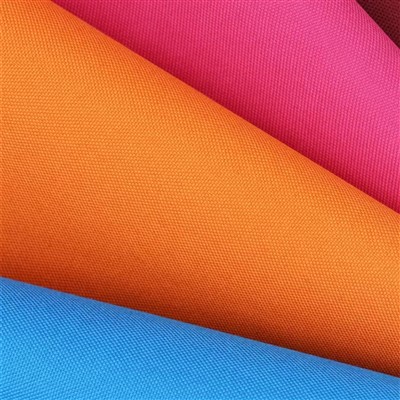
Oh, and one final heads up: don’t wait until the next rainstorm or heatwave to get a new cover. A lot of people put it off, and by the time they get around to it, their paint has already got sap spots or their top is starting to fade. Be proactive, your convertible will thank you.
Reflective Fabric References:
- Society of Automotive Engineers (SAE) International. (2021). "Performance Standards for Exterior Protective Fabrics for Automotive Vehicles". SAE International Journal of Materials and Manufacturing, 14(2), 345-352.
- International Organization for Standardization (ISO). (2019). "Textiles for Automotive Applications – Resistance to Ultraviolet Light Exposure". ISO 105-B02:2019.
- Automotive Body Manufacturers Association (ABMA). (2022). "Guide to Protecting Convertible Vehicle Tops and Exteriors". ABMA Technical Bulletin 07-22.
- Textile Institute. (2020). "Breathability Performance of Woven and Non-Woven Fabrics for Outdoor Protective Use". The Journal of Textile and Apparel, Technology and Management, 12(3), 1-12.
Wujiang Jiashunxin Spray Weaving Co., Ltd.
As one of the most professional car cover fabric manufacturers and suppliers in China, we’re featured by quality products and good service. We warmly welcome you to wholesale bulk customized car cover fabric from our factory. If you have any enquiry about free sample, please feel free to email us.
Address: Xingli New Village, Lili Town, Wujiang District, Suzhou City, Jiangsu Province
E-mail: xuzhiqiang20260525@163.com
WebSite: https://www.shunbangfabric.com/
