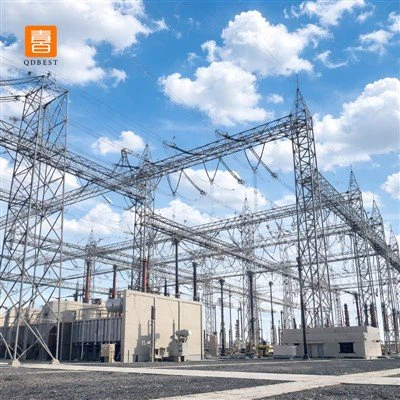
Ensuring the stability of substation structures is of paramount importance in the power industry. As a supplier of substation structures, I have witnessed firsthand the significance of stability in these critical infrastructure components. In this blog post, I will share some key strategies and considerations for ensuring the stability of substation structures. Substation Structures
Understanding the Importance of Stability
Substation structures play a vital role in the electricity grid, providing support for transformers, circuit breakers, busbars, and other electrical equipment. These structures are constantly exposed to various environmental and operational loads, such as wind, snow, seismic activity, and electrical forces. Ensuring their stability is crucial to prevent structural failures, which can lead to power outages, equipment damage, and even safety hazards.
Factors Affecting Substation Structure Stability
Several factors can influence the stability of substation structures. Understanding these factors is essential for designing, constructing, and maintaining stable structures.
1. Geotechnical Conditions
The soil conditions at the substation site have a significant impact on the stability of the structures. Soft or unstable soils can cause settlement, tilting, or even collapse of the foundations. Conducting a thorough geotechnical investigation before construction is crucial to determine the soil properties, bearing capacity, and potential for liquefaction. Based on the geotechnical report, appropriate foundation designs can be selected to ensure the stability of the structures.
2. Environmental Loads
Substation structures are exposed to a variety of environmental loads, including wind, snow, ice, and seismic forces. Wind loads can cause lateral forces and vibrations, while snow and ice loads can add significant vertical loads to the structures. Seismic activity can generate ground motions that can subject the structures to dynamic loads. Designing the structures to withstand these environmental loads is essential for ensuring their stability. This may involve using appropriate structural materials, such as steel or concrete, and designing the structures with sufficient strength and stiffness.
3. Electrical Forces
Electrical equipment in substations generates electromagnetic fields and electrical forces that can affect the stability of the structures. These forces can cause vibrations, mechanical stresses, and even structural damage. Designing the structures to minimize the impact of electrical forces is important for ensuring their long-term stability. This may involve using proper grounding techniques, isolating the electrical equipment from the structures, and designing the structures to resist the mechanical stresses caused by the electrical forces.
4. Structural Design and Construction
The design and construction of substation structures are critical for ensuring their stability. The structures should be designed to meet the relevant codes and standards, taking into account the environmental loads, electrical forces, and geotechnical conditions. The construction process should be carefully supervised to ensure that the structures are built according to the design specifications. Proper quality control measures should be implemented to ensure the integrity of the structural materials and the accuracy of the construction work.
Strategies for Ensuring Substation Structure Stability
Based on the factors affecting substation structure stability, the following strategies can be implemented to ensure the stability of these structures:
1. Comprehensive Site Investigation
Before starting the design and construction of a substation, a comprehensive site investigation should be conducted. This includes a geotechnical investigation to determine the soil properties and bearing capacity, as well as a survey of the site to identify any potential hazards or constraints. The site investigation results should be used to inform the design of the foundations and the overall layout of the substation.
2. Robust Structural Design
The substation structures should be designed by experienced engineers using state-of-the-art design software and techniques. The design should take into account the environmental loads, electrical forces, and geotechnical conditions at the site. The structures should be designed to have sufficient strength, stiffness, and ductility to withstand the expected loads and ensure long-term stability.
3. High-Quality Materials and Construction
Using high-quality structural materials is essential for ensuring the stability of substation structures. The materials should meet the relevant standards and specifications and be tested to ensure their quality. The construction process should be carried out by skilled workers using proper construction techniques. Quality control measures should be implemented at every stage of the construction process to ensure that the structures are built according to the design specifications.
4. Regular Inspection and Maintenance
Regular inspection and maintenance of substation structures are essential for detecting any signs of damage or deterioration early on and taking corrective action. Inspections should be carried out by qualified personnel using appropriate inspection techniques, such as visual inspection, non-destructive testing, and structural monitoring. Maintenance activities should include cleaning, painting, and repairing any damaged or deteriorated components.
5. Seismic Retrofitting
In regions prone to seismic activity, substation structures may need to be retrofitted to improve their seismic resistance. Seismic retrofitting involves strengthening the existing structures by adding additional structural elements or modifying the existing ones. This can help to reduce the risk of structural damage and collapse during an earthquake.
Our Role as a Substation Structures Supplier
As a substation structures supplier, we play a crucial role in ensuring the stability of substation structures. We work closely with our clients to understand their specific requirements and provide them with high-quality substation structures that meet their needs.
1. Customized Design Solutions
We have a team of experienced engineers who can design customized substation structures based on the specific requirements of our clients. We take into account the environmental loads, electrical forces, and geotechnical conditions at the site to ensure that the structures are designed to be stable and reliable.
2. High-Quality Manufacturing
We use state-of-the-art manufacturing facilities and equipment to produce high-quality substation structures. Our manufacturing processes are严格控制 to ensure that the structures meet the relevant standards and specifications. We also conduct rigorous quality control checks at every stage of the manufacturing process to ensure the integrity of the structures.
3. Installation and Commissioning Services
We offer installation and commissioning services for our substation structures. Our experienced installation teams are trained to install the structures safely and efficiently, ensuring that they are properly aligned and connected. We also provide commissioning services to ensure that the structures are functioning properly before they are handed over to our clients.
4. After-Sales Support
We provide after-sales support to our clients to ensure the long-term stability and performance of their substation structures. Our after-sales support services include regular inspections, maintenance, and repair services. We also offer technical support to our clients to help them resolve any issues or problems that may arise with their substation structures.
Conclusion

Ensuring the stability of substation structures is a complex and challenging task that requires careful planning, design, construction, and maintenance. By understanding the factors affecting substation structure stability and implementing the strategies outlined in this blog post, it is possible to ensure the long-term stability and performance of these critical infrastructure components. As a substation structures supplier, we are committed to providing our clients with high-quality substation structures that meet their needs and ensure the stability of their electrical systems. If you are interested in learning more about our substation structures or would like to discuss a potential project, please contact us for a consultation. We look forward to working with you.
Telecommunication Tower References
- American Society of Civil Engineers (ASCE). (2017). Minimum Design Loads and Associated Criteria for Buildings and Other Structures (ASCE/SEI 7-16). Reston, VA: ASCE.
- International Electrotechnical Commission (IEC). (2018). IEC 60865-1:2018: Short-circuit currents – Calculation of effects – Part 1: Definitions and calculation methods. Geneva, Switzerland: IEC.
- National Fire Protection Association (NFPA). (2018). NFPA 70: National Electrical Code (NEC). Quincy, MA: NFPA.
- Structural Engineers Association of California (SEAOC). (2019). Seismic Design Criteria for Electrical Substations (SDCES 2019). Oakland, CA: SEAOC.
Qingdao BEST Steel Structure Co., Ltd.
Qingdao BEST Steel Structure Co., Ltd. is one of the most professional substation structures manufacturers and suppliers in China. We warmly welcome you to buy customized substation structures made in China here from our factory. If you have any enquiry about OEM service, please feel free to email us.
Address: Jiaobei Industrial Park, Qingdao, China
E-mail: sales@qdbsstower.com
WebSite: https://www.qdbsstower.com/
