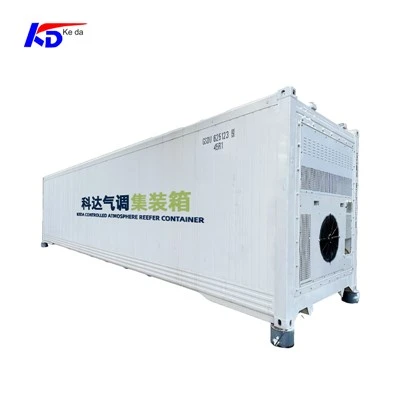
When dealing with the preservation and quality maintenance of fresh produce, ethylene scrubbers have emerged as a crucial tool. As a supplier of ethylene scrubbers, I often encounter questions from customers regarding the regulations surrounding their use. In this blog post, I aim to delve into this topic, providing a comprehensive overview of the existing regulations and their implications for users and suppliers alike. Ethylene Scrubber
Understanding Ethylene Scrubbers
Before we jump into the regulations, it’s essential to understand what ethylene scrubbers are and why they are used. Ethylene is a natural plant hormone that plays a significant role in the ripening process of fruits and vegetables. While ripening is a desirable process in many cases, excessive ethylene levels can lead to premature ripening, spoilage, and a significant reduction in the shelf – life of produce.
Ethylene scrubbers are devices designed to remove or reduce the concentration of ethylene gas in the storage or transportation environment. They work through various mechanisms, including chemical absorption, catalytic oxidation, and filtration. By maintaining low ethylene levels, these scrubbers help to extend the freshness of produce, reduce waste, and ensure that consumers receive high – quality products.
Global Regulations
The regulations regarding the use of ethylene scrubbers vary from country to country and are often influenced by broader food safety and environmental policies.
United States
In the United States, the use of ethylene scrubbers is primarily regulated by the Food and Drug Administration (FDA) and the Environmental Protection Agency (EPA). The FDA focuses on ensuring that the scrubbers do not pose any risks to the safety of the food products they are used with. This means that the materials used in the scrubbers, such as absorbents or catalysts, must be food – grade and comply with the FDA’s regulations on food contact substances.
The EPA, on the other hand, is concerned with the environmental impact of ethylene scrubbers. For example, if a scrubber uses a chemical process to remove ethylene, the EPA may regulate the handling, storage, and disposal of the chemicals involved to prevent any potential environmental contamination. In addition, the EPA may also set standards for the energy efficiency of the scrubbers to encourage the use of environmentally friendly technologies.
European Union
The European Union has a comprehensive set of regulations governing the use of ethylene scrubbers. The EU’s food safety regulations, harmonized under the General Food Law, require that all equipment used in the food chain, including ethylene scrubbers, must be safe and hygienic. This includes ensuring that the scrubbers do not release any harmful substances into the food storage environment.
The EU also has strict environmental regulations. The End – of – Life Vehicles (ELV) Directive and the Waste Electrical and Electronic Equipment (WEEE) Directive have implications for the disposal of ethylene scrubbers at the end of their life cycle. These directives aim to reduce the environmental impact of waste electrical and electronic equipment by promoting recycling and proper disposal methods.
Asia
In Asia, different countries have different regulatory frameworks. For example, in Japan, the Ministry of Health, Labour and Welfare (MHLW) regulates food safety, including the use of equipment like ethylene scrubbers. Japanese regulations are known for their high standards, and products must meet strict quality and safety requirements.
In China, the State Administration for Market Regulation (SAMR) is responsible for regulating the use of ethylene scrubbers. The regulations focus on product quality, safety, and energy efficiency. Chinese regulations also encourage the development and use of domestic technologies, which has led to the emergence of many local ethylene scrubber manufacturers.
Industry Standards and Certifications
In addition to government regulations, there are also industry – wide standards and certifications that are relevant to ethylene scrubbers.
One such standard is the ISO 14001, which is an international standard for environmental management systems. Achieving ISO 14001 certification indicates that a company’s ethylene scrubbers are produced in an environmentally responsible manner. This includes considerations such as reducing energy consumption, minimizing waste generation, and proper handling of chemicals.
The Hazard Analysis and Critical Control Points (HACCP) system is another important standard in the food industry. HACCP is a systematic approach to identifying and preventing food safety hazards. Ethylene scrubber suppliers can use HACCP principles to ensure that their products meet the highest food safety standards.
Compliance for Suppliers
As a supplier of ethylene scrubbers, compliance with regulations is of utmost importance. To ensure compliance, we follow a series of strict procedures.
First, we conduct a thorough risk assessment of our products. This involves identifying any potential hazards associated with the use of our scrubbers, such as the release of harmful chemicals or the malfunction of the scrubbing mechanism. Based on this risk assessment, we implement appropriate control measures to minimize these risks.
Second, we source our raw materials from reliable suppliers. All materials used in our ethylene scrubbers are carefully selected to ensure that they meet the relevant food safety and environmental standards. We also maintain detailed records of our raw material suppliers and the quality control measures applied to the materials.
Third, we perform regular product testing. Our scrubbers are tested for their performance, safety, and environmental impact. These tests are conducted in accordance with the relevant national and international standards. For example, we test the ethylene removal efficiency of our scrubbers to ensure that they can effectively reduce ethylene levels in the storage environment.
Implications for Buyers
For buyers of ethylene scrubbers, understanding the regulations is also essential. When purchasing a scrubber, they should ensure that the product complies with the local regulations. This can be verified by checking the product’s certifications and documentation.
Buyers should also consider the long – term implications of using an ethylene scrubber. For example, if the scrubber uses chemicals for ethylene removal, they need to ensure that they have the proper facilities and procedures for handling and disposing of these chemicals in compliance with environmental regulations.
Conclusion
In conclusion, there are indeed numerous regulations regarding the use of ethylene scrubbers, which are designed to protect food safety, the environment, and consumer health. As a supplier, we take these regulations seriously and are committed to providing high – quality, compliant products.
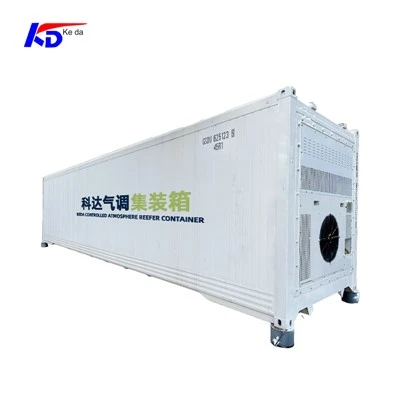
If you are in the market for an ethylene scrubber, it is crucial to choose a supplier who understands and adheres to these regulations. Our company has a proven track record of compliance and offers a range of ethylene scrubbers that are designed to meet the highest standards. Whether you are a small – scale farmer or a large – scale distributor, we have a solution for you.
Gas Analyzers If you have any questions or are interested in purchasing an ethylene scrubber, please feel free to contact us for a detailed discussion. We are eager to work with you to find the best solution for your produce preservation needs.
References
- Food and Drug Administration (FDA), United States. "Regulations on Food Contact Substances."
- Environmental Protection Agency (EPA), United States. "Standards for Energy – Efficient Equipment."
- General Food Law, European Union. "Regulations on Food Safety Equipment."
- Ministry of Health, Labour and Welfare (MHLW), Japan. "Food Safety Regulations."
- State Administration for Market Regulation (SAMR), China. "Regulations on Product Quality and Safety."
- International Organization for Standardization (ISO). "ISO 14001: Environmental Management Systems."
- Hazard Analysis and Critical Control Points (HACCP) Principles.
Yantai Keda Zhixian International Trade Co., Ltd.
As one of the leading manufacturers and suppliers of ethylene scrubber in China, we have world-leading production equipment and strong manufacturing capabilities. Please feel free to buy high-grade ethylene scrubber for sale here from our factory.
Address: No.18-2, Wuhan St, Yantai ETDZ, Yantai, Shandong, China
E-mail: ytkeda2026@163.com
WebSite: https://www.kedacastorage.com/
