Hey there! I’m a supplier in the FGD (Flue Gas Desulfurization) pump business. Today, I wanna chat about the materials used in an FGD pump. It’s super important to know what goes into these pumps ’cause it directly impacts their performance, lifespan, and overall cost – effectiveness. FGD Pump

First off, let’s understand what an FGD pump does. It plays a crucial role in the flue gas desulfurization process, which is all about removing sulfur dioxide (SO2) from exhaust flue gases in power plants and other industrial facilities. These pumps are used to circulate the limestone slurry that reacts with the SO2, turning it into solid gypsum. The environment these pumps operate in is pretty harsh, filled with corrosive chemicals, abrasive particles, and high temperatures. So, the materials chosen for FGD pumps have to be tough as nails.
Metallic Materials
Stainless Steel
Stainless steel is one of the most commonly used materials in FGD pumps. It’s got a great balance of corrosion resistance and mechanical strength. There are different grades of stainless steel, but the ones used in FGD pumps are usually the high – alloy types. For example, stainless steel grades like 316L and 904L are popular.
316L is a molybdenum – containing austenitic stainless steel. The molybdenum gives it better resistance to corrosion, especially against the chloride ions that are often present in the FGD environment. It can handle mild to moderate levels of corrosion and abrasion. I’ve seen a lot of smaller – scale FGD systems using 316L pumps, and they’ve been doing a pretty good job for a long time.
904L, on the other hand, is a super – austenitic stainless steel with even higher levels of nickel, chromium, and molybdenum. It offers excellent corrosion resistance in more aggressive environments. When the FGD process involves higher concentrations of acids and chlorides, 904L is a go – to material. It’s a bit more expensive than 316L, but the extra cost is worth it when you need long – term reliability.
Duplex Stainless Steel
Duplex stainless steel is another great option for FGD pumps. It has a two – phase microstructure consisting of austenite and ferrite. This unique structure gives it both high strength and good corrosion resistance.
One of the main advantages of duplex stainless steel is its resistance to stress – corrosion cracking. In the FGD process, the pumps are under a lot of stress, and the presence of corrosive substances can lead to cracking. Duplex stainless steel helps prevent this problem. It also has better wear resistance compared to regular stainless steel, thanks to its higher hardness.
For medium – to large – scale FGD systems, duplex stainless steel pumps are often used. They can handle the high – flow rates and the demanding chemical environment without wearing out too quickly.
Alloy Cast Iron
Alloy cast iron is a cost – effective option for parts of the FGD pump that are subject to high abrasion. It contains elements like chromium, nickel, and molybdenum, which enhance its hardness and wear resistance.
The problem with alloy cast iron is that it’s not as corrosion – resistant as stainless steel. So, it’s usually used for the impeller and other internal parts where the main concern is abrasion. The pump casing can be made of stainless steel or another corrosion – resistant material to protect the more vulnerable alloy cast iron parts. I’ve seen some FGD pumps with alloy cast iron impellers that have lasted a long time, even in environments with a lot of solid particles in the slurry.
Non – Metallic Materials
Rubber
Rubber is widely used in FGD pumps, especially for lining the pump casing and the impeller. It has excellent abrasion resistance and can also provide some degree of corrosion protection.
Natural rubber and synthetic rubbers like neoprene and nitrile are commonly used. Natural rubber is soft and flexible, which allows it to absorb the impact of abrasive particles. It’s great for handling slurries with a relatively low concentration of solids.
Neoprene, on the other hand, is more resistant to oils, chemicals, and heat. It’s a good choice for FGD pumps that operate in environments where there might be some exposure to hydrocarbons or high – temperature fluids. Nitrile rubber is known for its good resistance to oil and fuel, as well as its high tensile strength.
The advantage of using rubber lining is that it can be easily replaced when it wears out. This reduces the overall cost of maintenance and extends the lifespan of the pump.
Fiberglass – Reinforced Plastic (FRP)
FRP is a composite material made up of fiberglass fibers embedded in a resin matrix. It’s lightweight, corrosion – resistant, and has good mechanical properties.
In FGD pumps, FRP can be used for the pump casing, impeller, and other components. The fiberglass provides strength, while the resin protects against corrosion. FRP pumps are often used in smaller – scale FGD applications or in environments where weight is a concern, such as offshore installations.
One of the great things about FRP is that it can be molded into complex shapes, which allows for more efficient pump designs. However, it’s not as abrasion – resistant as some of the metallic materials, so it might not be the best choice for handling highly abrasive slurries.
Ceramics
Ceramics are extremely hard and have excellent wear resistance. They can withstand high temperatures and are highly resistant to corrosion. In FGD pumps, ceramics are often used for the impeller and other parts that come into direct contact with the abrasive slurry.
Alumina ceramic and silicon carbide ceramic are two common types used in FGD pumps. Alumina ceramic is relatively inexpensive and has good general wear resistance. Silicon carbide ceramic is even harder and more resistant to abrasion and corrosion, but it’s also more expensive.
The downside of using ceramics is that they are brittle. If the pump experiences a sudden shock or impact, the ceramic parts can crack or break. So, they need to be used with care and in applications where the risk of impact is low.
Factors Influencing Material Selection
When choosing the materials for an FGD pump, there are several factors to consider.
The first is the nature of the FGD process. If the process involves high concentrations of acids, chlorides, and solid particles, then more corrosion – resistant and abrasive – resistant materials like duplex stainless steel or ceramics might be needed. On the other hand, if the environment is less harsh, stainless steel or rubber – lined pumps could be sufficient.
Cost is another important factor. Some materials, like ceramics and duplex stainless steel, are more expensive than others. You have to balance the initial cost of the pump with its long – term performance and maintenance costs. For example, a more expensive pump with better – quality materials might have a longer lifespan and lower maintenance requirements, which could save money in the long run.
The operating conditions of the pump also matter. If the pump has to operate at high temperatures or high pressures, then materials that can withstand these conditions need to be chosen. For example, some rubbers might not be suitable for high – temperature applications.
The flow rate and the viscosity of the slurry are also relevant. Pumps handling high – flow rates and viscous slurries need materials that can handle the mechanical stress and the wear caused by the moving fluid.
Why Choose Our FGD Pumps
We, as an FGD pump supplier, take material selection very seriously. We understand that every FGD system is different, and we work closely with our customers to choose the right materials for their specific needs.
We have a wide range of FGD pumps made from different materials, including stainless steel, duplex stainless steel, rubber – lined pumps, and pumps with ceramic parts. Whether you have a small – scale FGD system or a large – scale industrial facility, we can provide you with a pump that meets your requirements.
Our pumps are designed and manufactured to the highest standards. We use the latest technology and equipment to ensure that our pumps are reliable, efficient, and durable. We also offer excellent after – sales service, including maintenance and repair.
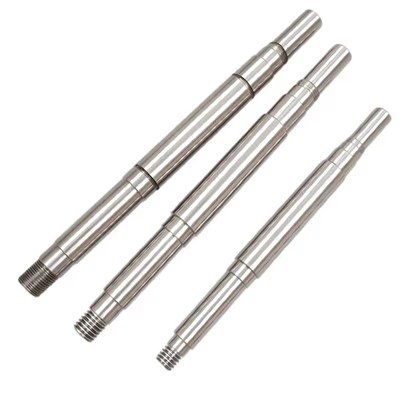
If you’re in the market for an FGD pump, I encourage you to get in touch with us. We can have a detailed discussion about your FGD process, your operating conditions, and your budget. Together, we can find the perfect pump for your needs.
FGD Pump So, don’t hesitate. Reach out to us today to start the conversation about purchasing an FGD pump that’s right for you.
References
- "Handbook of Industrial Filtration", various authors.
- "Corrosion and Materials Selection in the Flue Gas Desulfurization Industry" – Industry research report
Shijiazhuang Ruite Pump Co., Ltd.
Shijiazhuang Ruite Pump Co., Ltd. is one of the most experienced FGD pump manufacturers and suppliers in China. Please rest assured to wholesale high quality FGD pump made in China here from our factory. For price consultation, contact us.
Address: Majuan village, Nandong town, Gaocheng, Shijiazhuang, China
E-mail: info@ruitepump.com
WebSite: https://www.rtslurrypump.com/
