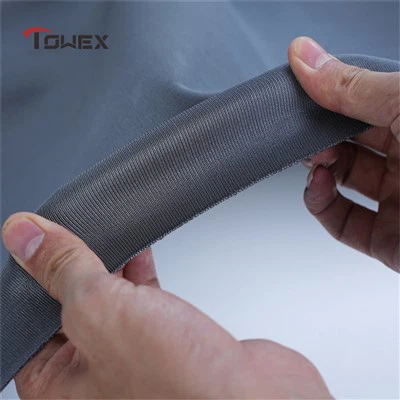
When it comes to textiles, high abrasion resistant fabric stands out as a remarkable innovation, catering to a wide spectrum of industries. As a dedicated supplier of high abrasion resistant fabric, I’ve witnessed firsthand its transformative impact across various sectors. In this blog post, I’m thrilled to take you on an in – depth exploration of how this incredible fabric works, sharing the science, technology, and craftsmanship that make it a game – changer. High Abrasion Resistant Fabric
The Basics of Abrasion
Before we delve into high abrasion resistant fabric, let’s understand what abrasion is. Abrasion is the process of mechanical wear and tear that occurs when a material rubs against another surface. This can involve anything from the continuous friction between work pants and a rough workbench to the repeated rubbing of a tent fabric against tree branches in the wilderness. Abrasion can lead to the degradation of the fabric, including thinning, fraying, and eventually, complete failure.
Material Composition
The secret to high abrasion resistant fabric starts with its carefully selected materials. Different fibers offer varying levels of abrasion resistance, and we often combine multiple types to achieve the best results.
Synthetic Fibers
Synthetic fibers play a crucial role in high abrasion resistant fabrics. Polyester, for example, is a popular choice. It has a high tenacity, which means it can withstand pulling forces without breaking easily. Polyester fibers are smooth and have a low coefficient of friction, reducing the amount of wear when in contact with other surfaces.
Nylon is another star performer. Nylon fibers are known for their high strength – to – weight ratio. They can absorb a significant amount of energy before breaking. Nylon’s molecular structure allows it to stretch under stress and then return to its original shape, which helps it resist abrasion. When nylon fibers are woven into a fabric, they form a tight and durable structure that can withstand repeated rubbing.
Natural Fibers
While synthetic fibers are often the mainstay of abrasion – resistant fabrics, natural fibers can also be used in combination. Cotton, for instance, is a soft and breathable natural fiber. When blended with synthetic fibers, it can add comfort to the fabric while still maintaining a certain level of abrasion resistance. The natural fibers can also help with moisture management, wicking away sweat and keeping the wearer dry.
High – Performance Fibers
In some cases, we use high – performance fibers like aramid and ultra – high – molecular – weight polyethylene (UHMWPE). Aramid fibers, such as Kevlar, are incredibly strong and heat – resistant. They are often used in applications where extreme abrasion resistance is required, like in protective clothing for firefighters and industrial workers. UHMWPE fibers have a very high strength and low density, making them ideal for applications where weight is a concern, like in outdoor equipment.
Weaving and Knitting Techniques
The way the fabric is woven or knitted also has a significant impact on its abrasion resistance.
Woven Fabrics
Woven fabrics are created by interlacing two sets of yarns at right angles: the warp (lengthwise yarns) and the weft (crosswise yarns). Different weaving patterns can be used to enhance abrasion resistance. For example, a twill weave creates a diagonal pattern on the fabric surface. This pattern allows the yarns to move more freely when subjected to abrasion, distributing the stress evenly across the fabric.
Another common pattern is the satin weave. Although satin weaves are often associated with a smooth and lustrous appearance, they can also be engineered for high abrasion resistance. The long floats in a satin weave provide a continuous path for the transfer of stress, reducing the likelihood of individual yarns breaking.
Knitted Fabrics
Knitted fabrics are made by interlocking loops of yarn. They offer a certain degree of stretch and flexibility, which can be beneficial in some applications. Circular knitting and flat knitting are two common methods. In circular knitting, the fabric is formed into a tube, which can create a seamless and strong structure. The loops in a knitted fabric can move and adjust when under abrasion, absorbing and dissipating the energy.
Surface Treatments
To further enhance the abrasion resistance of the fabric, various surface treatments can be applied.
Coating
One of the most common surface treatments is coating. A layer of polymer or other materials can be applied to the fabric surface. This coating can act as a barrier, protecting the underlying fibers from direct contact with abrasive surfaces. For example, a polyurethane coating can provide a smooth and durable surface that reduces friction and prevents the fabric from fraying.
Lamination
Lamination involves bonding a layer of film or another material to the fabric. This can add additional strength and abrasion resistance. For outdoor gear, a waterproof and breathable laminate can be added to the fabric. The laminate not only protects the fabric from water but also provides an extra layer of protection against abrasion from the environment.
Chemical Treatment
Chemical treatments can also be used to modify the properties of the fabric fibers. For example, some chemicals can be used to increase the hardness of the fibers, making them more resistant to wear. These treatments can also improve the fabric’s resistance to chemicals and UV radiation, which can further degrade the fabric over time.
Testing and Quality Control
As a supplier, we take quality control very seriously. We use a variety of testing methods to ensure that our high abrasion resistant fabrics meet the highest standards.
Martindale Abrasion Test
The Martindale abrasion test is one of the most widely used methods for evaluating fabric abrasion resistance. In this test, a circular sample of the fabric is rubbed against a standard abrasive material under a specific load. The fabric is rubbed for a certain number of cycles, and then the degree of wear is evaluated. This can include measuring the loss of weight, reduction in thickness, or the appearance of visible damage.
Taber Abrasion Test
The Taber abrasion test involves rotating a sample of the fabric against a pair of abrasive wheels under a specific pressure. The wheels can be made of different materials to simulate different types of abrasion. After a set number of rotations, the fabric is examined for signs of wear.
Applications
High abrasion resistant fabric has a wide range of applications across different industries.
Industrial Workwear
In the industrial sector, workers are often exposed to rough and abrasive surfaces. Our high abrasion resistant fabric is used to make work pants, jackets, and coveralls. These garments can withstand the daily wear and tear of working in factories, construction sites, and mines, protecting the workers and ensuring the longevity of the clothing.
Outdoor Gear
Outdoor enthusiasts rely on high – quality gear that can withstand the rigors of nature. Our fabric is used in the production of tents, backpacks, sleeping bags, and hiking clothing. Whether it’s rubbing against rocks, tree branches, or being exposed to harsh weather conditions, our fabric ensures that the outdoor gear remains durable and functional.
Automotive Interiors
In the automotive industry, the seats, carpets, and door panels are subject to constant abrasion from passengers and movement. Our high abrasion resistant fabric is used to enhance the durability of these interior components, providing a comfortable and long – lasting experience for the vehicle owners.
Why Choose Our High Abrasion Resistant Fabric
As a supplier, we offer several advantages. Firstly, we have a team of experts who are constantly researching and developing new materials and techniques to improve the abrasion resistance of our fabrics. We use state – of – the – art manufacturing facilities to ensure consistent quality.
Secondly, we understand the specific needs of different industries. Whether you need a fabric that is lightweight for outdoor applications or one that is flame – resistant for industrial workwear, we can customize our products to meet your requirements.
Finally, we are committed to sustainability. We use eco – friendly materials and manufacturing processes wherever possible, ensuring that our high abrasion resistant fabric is not only durable but also kind to the environment.
Bite Resistant Fabric If you are in the market for high abrasion resistant fabric, whether it’s for industrial use, outdoor gear, or automotive applications, I invite you to reach out to us. We are eager to discuss your specific needs and provide you with the best solutions for your projects.
References
- "Textiles: Science and Technology" by Ahmet Erdemir and Mustafa Ozdil.
- ASTM International standards for abrasion testing of fabrics.
- Journal articles on high – performance fibers and their applications in abrasion – resistant fabrics.
Jiaxing Towex New Materials Co., Ltd.
Jiaxing Towex New Materials Co., Ltd. is one of the most experienced high abrasion resistant fabric manufacturers and suppliers in China, also supports customized service with low price. Please feel free to buy bulk high quality high abrasion resistant fabric in stock here from our factory. Contact us for quotation.
Address: Building 1666, Wuzhen High-tech Zone, Tongxiang City, Zhejiang Province
E-mail: sales@towextech.com
WebSite: https://www.topuhmwpe.com/
