As a seasoned cable lug supplier, I’ve encountered numerous inquiries about the necessity of insulating cable lugs. This question is not just a trivial matter; it’s at the core of electrical safety, system efficiency, and long – term reliability. In this blog, I’ll delve into the key aspects of whether cable lugs need to be insulated and provide insights to help you make informed decisions. Cable Lug
The Basics of Cable Lugs
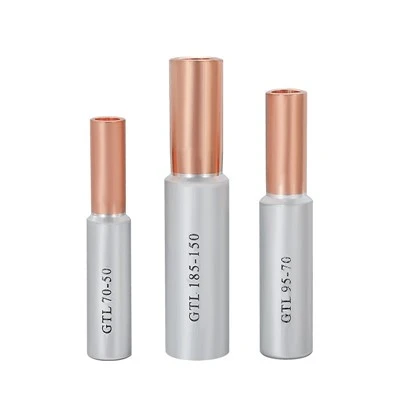
Before we discuss insulation, let’s briefly understand what cable lugs are. Cable lugs are an essential component in electrical systems, used to connect the end of a cable to a terminal, bus bar, or another cable. They provide a secure and low – resistance connection, ensuring efficient electrical conduction. Different types of cable lugs are available, such as tubular lugs, fork lugs, and ring lugs, each designed for specific applications and connection requirements.
Reasons for Insulating Cable Lugs
Electrical Safety
One of the primary reasons to insulate cable lugs is to enhance electrical safety. Exposed conductive parts of cable lugs can pose a significant risk of electric shock to personnel. In industrial settings, where workers may be in close proximity to electrical systems, accidental contact with live cable lugs can lead to severe injuries or even fatalities. Insulation acts as a barrier, preventing direct contact with the energized parts and reducing the risk of electrical accidents.
For example, in a manufacturing plant, there are numerous electrical panels and equipment with cable lug connections. If these cable lugs are not insulated, workers performing maintenance or repairs may accidentally touch them, resulting in an electric shock. By using insulated cable lugs, the safety of the workers is greatly improved.
Protection against Environmental Factors
Insulated cable lugs offer protection against various environmental factors. Moisture, dust, and corrosive substances can damage cable lugs over time, leading to increased resistance and potential connection failures. Insulation provides a protective layer that shields the cable lugs from these elements, prolonging their lifespan.
In outdoor electrical installations, such as streetlights or solar power systems, cable lugs are exposed to rain, humidity, and UV radiation. Without insulation, the cable lugs may corrode, causing poor electrical connections and reduced system performance. Insulated cable lugs can better withstand these environmental conditions and maintain reliable electrical connections.
Prevention of Short Circuits
Insulation on cable lugs can prevent short circuits. When cable lugs are not insulated, there is a risk of the conductive parts coming into contact with other conductive objects, such as metal enclosures or nearby cables. This can cause a short circuit, which may lead to equipment damage, power outages, and even fires.
In a data center, for instance, a large number of cables and electrical components are densely packed. If the cable lugs are not insulated, there is a higher probability of accidental contact between them, resulting in a short circuit. Insulated cable lugs reduce this risk, ensuring the stable operation of the data center’s electrical system.
Situations Where Insulation May Not Be Necessary
Low – Voltage and Low – Risk Environments
In some low – voltage applications and low – risk environments, insulation of cable lugs may not be mandatory. For example, in small, hobbyist electrical projects operating at very low voltages (such as 5V or 12V DC), the risk of electric shock is extremely low. In these cases, the primary concern is often the electrical connection itself, rather than insulation for safety reasons.
However, it’s important to note that even in these situations, insulation can still provide some benefits, such as protection against minor environmental factors and reducing the risk of accidental short circuits.
Enclosed and Protected Systems
When cable lugs are installed in fully enclosed and protected electrical systems, such as inside a sealed electrical cabinet or a well – insulated junction box, the need for additional insulation on the cable lugs may be reduced. The enclosure itself provides a certain degree of protection against accidental contact and environmental factors.
But again, this does not mean that insulation should be completely ignored. In case of any maintenance or modification work, having insulated cable lugs can still add an extra layer of safety.
Types of Insulation for Cable Lugs
Heat – Shrink Tubing
Heat – shrink tubing is a popular choice for insulating cable lugs. It is a flexible polymer tube that shrinks when heated, tightly conforming to the shape of the cable lug. Heat – shrink tubing provides excellent electrical insulation, protection against moisture and abrasion, and is relatively easy to install.
To apply heat – shrink tubing, you simply slide the appropriate – sized tubing over the cable lug before making the connection. After the lug is properly attached to the cable and terminal, you use a heat gun to shrink the tubing in place.
Molding Compound
Molding compound is another option for insulating cable lugs, especially in high – reliability and high – voltage applications. A molding compound is a two – part epoxy or urethane material that is mixed and poured around the cable lug. Once cured, it forms a solid, insulating enclosure.
Molding compound offers superior mechanical protection and can withstand harsh environmental conditions. However, the installation process is more complex and time – consuming compared to heat – shrink tubing.
Our Role as a Cable Lug Supplier
As a cable lug supplier, we understand the diverse needs of our customers. We offer a wide range of cable lugs, both insulated and non – insulated, to meet different application requirements. Our team of experts is always available to provide technical advice on whether insulation is necessary for your specific project.
We source our cable lugs from reliable manufacturers and ensure that they meet the highest quality and safety standards. Whether you are working on a small residential electrical project or a large – scale industrial installation, we can provide you with the appropriate cable lugs and insulation solutions.
Conclusion
In conclusion, whether cable lugs need to be insulated depends on various factors, including the application, voltage level, and environmental conditions. In most cases, especially in high – voltage, industrial, and outdoor applications, insulating cable lugs is highly recommended for electrical safety, protection against environmental factors, and prevention of short circuits. However, in some low – voltage and low – risk situations, insulation may not be strictly necessary.
Air Circuit Breakers If you are unsure about whether your cable lugs require insulation or need advice on choosing the right cable lugs for your project, we are here to help. We invite you to contact us for a detailed discussion about your requirements. Our dedicated team will work with you to provide the best cable lug solutions tailored to your needs. We look forward to the opportunity to partner with you in your next electrical project.
References
- "Electrical Installation Handbook" by Schneider Electric
- "National Electrical Code" by the National Fire Protection Association
- Industry research reports on electrical equipment and component safety standards
Wenzhou Lanen Electrical Co., Ltd.
Wenzhou Lanen Electrical Co., Ltd. is one of the most professional cable lug manufacturers and suppliers in China, also supports customized service with low price. Please feel free to buy CE approved cable lug made in China here from our factory. Contact us for more discount information.
Address: Zhiguang Liushi Town Yueqing City Wenzhou City Zhejiang Province
E-mail: lanen@luyele.cn
WebSite: https://www.lanenelectrical.com/
