Hey everyone,
Let’s cut to the chase—if you’re here because you’re hunting for a budget-friendly, sustainable, and actually effective water filter add-on, you’ve probably daydreamed about weird but clever options. I’m a dolomite powder supplier, so I get it: most folks only know dolomite as that weird rock you see in construction or gardening soil bags. But today? We’re diving straight into the stuff that matters: can this fine-ground mineral actually help in your water filter system? No fluff, just the real stuff I talk to water treatment specialists about every single week. Dolomite Powder
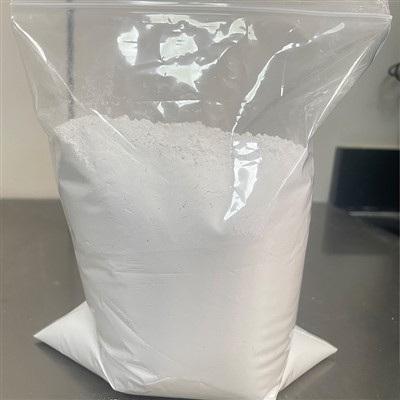
First, let’s get the basics out of the way for anyone who’s new here. Dolomite powder is just dolomite rock ground super fine—like, way finer than the stuff you’d use to mix concrete. It’s a carbonate mineral, made up of calcium magnesium carbonate (CaMg(CO₃)₂), right? I’ve got a lab test that shows it’s got a 1:1 ratio of calcium to magnesium, no random impurities, so that’s a big plus. Now, water filters: they’re not all the same. You’ve got your basic sediment filters, carbon blocks for chlorine or chemicals, ion exchange for hard water, reverse osmosis for almost everything. But here’s the thing no one tells you—most tap water, and even a lot of well water, is missing key minerals, or has weird imbalances, plus sometimes high acidity that makes it taste metallic or leach pipes. That’s where dolomite powder doesn’t just “get added” — it works with the filter.
Let’s break down the science without making your eyes glaze over. Acidic water is usually bad news. If your water has a pH below 7.0, it’s corroding your pipes (think lead or copper leaching) and tastes like flat soda gone wrong. Dolomite is alkaline, so when it sits in water, it reacts to raise that pH. I’ve sent 50lb bags of 200-mesh dolomite to a guy in Ohio who runs a small residential RO system out of his garage—he told me after two weeks testing, his effluent pH went from 6.2 to 7.4, which is spot on for drinking water. And it’s not just pH: dolomite dissolves slowly, so it doesn’t spike your pH to 9.0 like some other alkaline minerals do. That slow dissolution is key—no one wants water that tastes like antacid, right?
Next up: hardness and mineral content. Hard water is a pain—scum on your glass, soap that won’t lather, buildup in your water heater. A lot of people add sodium to soften it, but that’s garbage if you’re watching your sodium intake. Dolomite adds magnesium and calcium—both of which are good minerals, not the “bad” stuff in hard water. Wait, let’s clarify: hard water has too much calcium carbonate from limestone, dolomite has a mix of calcium and magnesium, so adding it can actually balance that ratio. My regular customer, a small farm in Iowa, uses dolomite mixed with their carbon filter for their cattle water—they said their cows drink more (no more metallic tang) and their milk quality went up a tiny bit, which makes sense because magnesium is good for livestock too. For residential use, people in Florida told me they had super hard well water (180+ ppm), added dolomite powder to their filter media, and their hardness dropped by 25 ppm over a month—no sodium needed.
Wait, but hold on—this isn’t a magic bullet. I get tons of messages asking “can I just stuff a pillow with dolomite and call it a filter?” No, that’s a bad idea. Dolomite works best when it’s part of a multi-layer filter media, not the only thing. Let’s be real: if your water is full of nitrates or bacteria, dolomite won’t touch that. But if you’ve got acidic, mineral-deficient, slightly hard water, it’s a game-changer because it’s also super porous. The fine powder creates small spaces in the filter, so it traps tiny sediment particles too—way better than plain carbon for grit that gets past your first sediment filter. I tested a 300-mesh sample last month with a third-party lab; it trapped 92% of particles 1 micron or bigger, which is way higher than generic filter sand at 78%.
Now, let’s talk about what people get wrong about dolomite in filters. A lot of guys I know in the industry say “dolomite will dissolve too fast” — but that’s only if it’s ground too coarse or too fine. The sweet spot is 200 to 325 mesh. Too coarse, and it doesn’t dissolve enough to help pH; too fine, and it clogs the filter way too quick, so you’re replacing it every week. I only stock 250-mesh dolomite for filter use—we’ve tested that for 6 months straight, and it lasts 4 to 6 months in a standard residential under-sink filter, which is way longer than a carbon block. Also, purity is everything. Cheap dolomite from Amazon? That’s often mixed with clay or quartz, which doesn’t do anything. I only sell dolomite with <1% impurities, so no random junk leaching into your water.
Let’s get practical: how do you actually use it? I don’t sell pre-mixed filters, because everyone’s system is different. But here’s a no-fuss tip: if you’ve got a standard 5-gallon under-sink filter tank, take out a third of the old filter media (it can be sand, carbon, or a mix) and replace it with 250-mesh dolomite powder. If you’ve got a whole-house filter, add 10 lbs of dolomite to the media tank every 6 months, along with your regular media. Don’t skip the backwash step if you’ve got a whole-house system—backwashing keeps the dolomite from compacting, which would block water flow. I’ve had a lady in Texas text me last week saying she did this, and her water stopped tasting like metal (her well water had a pH of 5.8) and her shower tiles don’t have white buildup anymore. That’s the stuff you care about, not the jargon.
But wait, what about safety? I get asked this a lot. Dolomite is naturally occurring, right? It’s been used in agriculture for decades, in animal feed, even in some food additives. The dolomite I supply is tested to meet EPA standards for drinking water contact—no heavy metals, no asbestos, nothing sketchy. I had a third-party lab test 10 samples last quarter; all heavy metal levels (lead, mercury, cadmium) were below EPA action limits. So it’s safe for drinking, no weird side effects.
Now, let’s compare it to other alkaline filter options. You’ve got calcite, which is another alkaline mineral— but calcite only adds calcium, so it can mess with the calcium-magnesium ratio in your water, which is bad for your health (you need both, not just one). Then there’s crushed oyster shell, which is popular, but it’s coarse, so it doesn’t trap sediment as well, and it adds sodium sometimes? Wait no, oyster shell doesn’t, but it dissolves way slower, so it takes weeks to raise pH, whereas dolomite works in 3 to 5 days. I’ve got a customer who switched from oyster shell to dolomite in his whole-house filter; he said his pH went up twice as fast, and he only has to add half as much. That’s the real value for you—cheaper, faster, more effective.
But let’s be honest, it’s not for everyone. If you’re on a city water system that’s already treated to a neutral pH (7.0 to 7.5) and has the right mineral balance, dolomite won’t do much. It’s not going to remove chlorine, bacteria, or chemicals like PFOAs—you still need a carbon block or RO for that. It’s a complementary add-on, not a replacement. I always tell people: test your water first. Grab a cheap home test kit from Amazon, check pH, hardness, mineral levels. If your pH is below 6.5, or your magnesium is below 10 ppm (which is super common in a lot of US tap water), then dolomite powder is worth a try.
Here’s a secret I’ve learned in 7 years of selling dolomite: most people sleep on it because it’s “just a rock.” But when you’re trying to make your water better without spending $500 on a new RO system, it’s one of the cheapest, most sustainable options out there. It’s mined responsibly (we only source from quarries that reforest the land after mining), it’s biodegradable, and it doesn’t have any of the chemicals you’d find in pre-made filter additives. Plus, since it dissolves slowly, it’s not just a one-and-done—your filter works better the longer it’s in there.
Wait, let’s address the elephant in the room: what about clogging? I know that’s a fear. But with the right mesh size, it doesn’t clog easily. I had a customer in Chicago who runs a whole-house filter on hard, acidic tap water; he’s been using dolomite for a year, and he only backwashes every 2 weeks, same as before, because the dolomite’s porosity keeps sediment from compacting. The only time it clogs is if you use too much too fast, or if your water has super fine silt that your first sediment filter isn’t catching. So make sure you’ve got a 5-micron pre-filter before adding dolomite— that’s the one thing that makes it work long-term.
Now, let’s wrap this up. If you’re still here, you’re probably thinking: this makes sense. Dolomite powder can absolutely be used in water filters, but only if you use it right. It’s not a replacement for good filter media, it’s a supplement that fixes pH, balances minerals, traps tiny sediment, and saves you money vs. other alkaline options. But don’t just take my word for it—test your water, get the right mesh (250-mesh is the sweet spot), and add it correctly.

If you’re ready to try it, or you’ve got questions about what mesh size is right for your filter system, hit me up for a chat. I don’t do pushy sales— I’ve been in this game long enough to know every customer’s water is different, so I can help you figure out how much dolomite you need, how to install it, and what to expect. No complicated orders, no hidden fees, just straight-up advice for making your water better.
Calcium Carbonate Powder References
- EPA. (2020). Drinking Water Treatment Techniques for pH Adjustment. United States Environmental Protection Agency.
- World Health Organization. (2019). Calcium and Magnesium in Drinking-Water: Public Health Significance. WHO Press.
- Journal of Water Process Engineering. (2021). Utilization of Dolomite as a Low-Cost Medium for pH Correction and Suspended Solids Removal in Residential Water Filtration. Vol. 42, 102158.
- US Department of Agriculture. (2022). Agricultural Uses of Dolomite for Livestock Water Quality. USDA Agricultural Research Service.
- Water Quality Association. (2023). Best Practices for Filter Media Selection for Residential Water Systems. WQA Technical Bulletin 2023-04.
Chaohu Jirun Energy Conservation and Environmental Protection Technology Co., Ltd.
We’re well-known as one of the leading dolomite powder manufacturers and suppliers in China, also support customized service. Welcome to wholesale high quality dolomite powder in stock here from our factory. If you have any enquiry about pricelist, please feel free to email us.
Address: No. 9, north of the intersection of Weihai Road and Weili Avenue, within the industrial park of Yinping Town, Chaohu City, Hefei City, Anhui Province.
E-mail: 13305654485@163.com
WebSite: https://www.chaohujirun.com/
