If you’ve ever browsed side hustles or online business models, chances are you’ve stumbled on dropshipping and affiliate marketing—two of the most talked-about ways to sell online, and two models I’ve worked closely with for years as a dropshipping supplier. When I first started in this industry, I thought they were basically the same: both let you sell products without holding inventory, right? But I quickly learned the differences go way deeper than that, and understanding them is make-or-break if you’re picking a path to build a sustainable online business. Today, I’m breaking down exactly how these two models differ, from where you source products to how you get paid, and why I’ve spent my career focused on dropshipping over affiliate marketing. Let’s start with the basics, because that’s where most people get tripped up. Dropshipping
First, let’s define each model from the perspective of someone actually running a business online. Affiliate marketing is essentially a performance-based referral. As an affiliate, you partner with an existing brand or retailer, promote their products through your website, social media, email list, or YouTube channel, and every time someone clicks your unique link and makes a purchase, you earn a commission—usually 5% to 30% of the sale, depending on the product niche. The best part of affiliate marketing, for a lot of people, is that you don’t have to handle anything logistics-related: no packing, no shipping, no customer service, no inventory at all. You just send traffic, and the brand handles the rest.
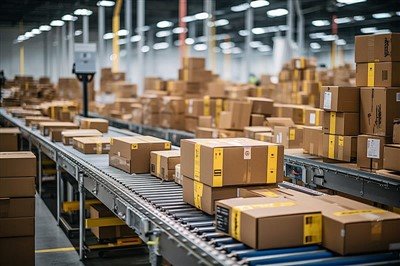
Dropshipping, on the other hand, is a retail model where you, as the store owner, set up your own online store, market products to your customers, and when someone places an order, you send that order details directly to a supplier like me—then I handle packing, shipping, and delivering the product straight to your customer. The only work you do is the marketing and customer-facing parts: building your store, answering questions about products, running ads, and growing your brand. For me, as a dropshipping supplier, that means I’m the behind-the-scenes team that makes your store look like it’s your own, even though you never touch the product.
Already, you can see one big difference here: affiliate marketers don’t own a store or a brand, they own a platform for promoting other people’s products. Dropshippers build their own brands from the ground up, even if they don’t make the products themselves. But let’s dig into the nitty-gritty, because there’s a lot more that sets these two apart. Let’s start with inventory and risk. This is where affiliate marketing feels like the low-effort option, and for good reason. When you’re an affiliate, you don’t have to buy anything upfront. The brand you partner with handles all the inventory, so your only risk is the time you spend creating content to promote their products. If a product doesn’t sell, you don’t lose a dime. That’s why affiliate marketing is so popular with new creators who already have an audience—they don’t have to invest any money to get started.
Dropshipping is a little different. While you don’t hold inventory, you do have to invest in your store and marketing upfront. Most dropshippers will pay for a domain name, a website theme, and ad spend (like Facebook or Instagram ads) before they ever make a single sale. That means there’s a small amount of financial risk: if your ads don’t convert, you might lose that initial ad budget. But wait—here’s the flip side of that risk: dropshippers control their own pricing. If you’re an affiliate, you have to charge the price the brand sets. If a product retails for $50, you get a 10% commission ($5) no matter how much you promote it. As a dropshipper, though, you set your own markup. If I sell a product to you for $20, you can list it for $50, $60, or even $40—whatever you think your audience will pay. That means your profit margin is way higher than most affiliate commissions. As my regular dropshippers will tell you, the markup flexibility is one of the biggest reasons they stick with dropshipping over affiliate marketing.
Next up: control and brand ownership. This is a make-or-break point for long-term success. When you’re an affiliate, you are at the mercy of the brand you partner with. The brand can change their commission rate at any time—say, from 10% to 5%—and you can’t do anything about it. They can remove their affiliate program entirely, or even change the product you’re promoting, and your entire income stream could disappear overnight. I’ve seen affiliates with 6-figure incomes from a single brand have that brand pull their links and lose all of that revenue in a day. Also, since you’re promoting the brand directly, customers will always see the brand, not you, as the authority. If someone buys a workout supplement through your affiliate link, they’ll leave thinking about that big supplement brand, not your fitness blog. You don’t build your own audience loyalty in the same way.
With dropshipping, you own every part of your brand. You get to design your store, pick the products you want to sell, set your own rules for customer service (as long as you align with my shipping timelines), and build a relationship with your customers. If someone buys a water bottle from my dropship store, they’ll remember your outdoor gear brand, not the supplier. That means you can build repeat customers—something affiliates rarely do. A dropshipper can market to past customers via email, offer them exclusive deals on new products, and grow that customer base over time. Affiliates, on the other hand, are just another middleman between the customer and the brand, so there’s no inherent loyalty to them. When a customer finds the brand on their own, they’ll skip the affiliate and buy directly, leaving the affiliate with nothing.
Then there’s the customer experience and support. This is where a lot of new dropshippers run into trouble, and why I’m always transparent with my dropship partners about what to expect. As an affiliate, you don’t have to handle customer service at all. If a product is defective, late, or the wrong size, the brand you’re partnered with takes care of it. That means less work for you, but it also means you have no control over how the customer is treated. A bad customer service experience could make the customer blame you, not the brand, because they remember clicking your link.
As a dropshipper, you are the face of your brand, so you have to own the customer experience—even though I’m handling shipping and fulfillment. That means you need to communicate with me to make sure orders are shipped on time, products are packaged correctly, and if there’s a return or a defect, you can coordinate with me to resolve it quickly. Most of my dropship partners make this easy by setting clear expectations with their customers upfront: “I partner with a trusted supplier to ship your order in 7-10 days, and if anything goes wrong, I’ll handle it for you.” It’s a little more work on the front end, but when done right, it builds way more trust with customers than an affiliate can get.
Now, let’s talk about scaling. Which model is easier to grow into a full-time income? It depends on your goals, but for me, as a supplier, I’ve seen dropshippers scale much faster to 6 and 7 figures than most affiliates. Why? Because with dropshipping, your profit per sale is higher, and you can test new products easily. If one product isn’t selling, you can swap it out for another, tweak your marketing, and keep going. With affiliate marketing, you’re limited to the products the brand offers, and if a product stops selling, that whole income stream is gone. That said, affiliate marketing can be great for people who want a more passive side hustle—if you build a high-traffic blog or TikTok account, you can make money from affiliate links with relatively little ongoing work once the content is created. Dropshipping, by contrast, needs consistent marketing and customer engagement to keep growing.
Wait, but there’s a common misconception I want to clear up: both models have grown in the last few years, but they’ve also faced their fair share of issues. Affiliate marketing has been hit hard by affiliate fraud—people clicking their own links, or using bots to generate fake sales, which makes brands tighten their programs. Dropshipping had a bad reputation a few years ago for low-quality products and slow shipping, but as suppliers like me have improved our processes, that’s changed for the better. Now, reputable dropshippers offer fast shipping, high-quality products, and transparent communication, which fixes most of those old pain points.
So, which one is right for you? If you’re just starting out, have a small audience, and want to test the waters without investing a lot of time or money, affiliate marketing might be a good way to dip your toes. But if you want to build a long-term, scalable business that you own—one where you can set your own prices, build your own brand, and grow with repeat customers—dropshipping is the way to go. That’s why I work exclusively with dropshippers: I want to help them build their brands, not just send traffic to someone else’s store.
If you’re a dropshipper looking for a reliable supplier, or someone curious about launching a dropshipping store, I’m here to help. Whether you have questions about product quality, shipping times, or how to integrate your store with my fulfillment system, we can connect and talk through what works for your business. Just reach out to us to begin your partnership.
Express UPS References:
- E-commerce Foundation. (2023). "Dropshipping vs. Affiliate Marketing: A Comparative Guide for Online Entrepreneurs."
- Digital Merchant Journal. (2024). "Profit Margins and Brand Control in Alternative Retail Models."
- Small Business Trends. (2023). "Side Hustle Models: Low-Risk vs. Scalable Online Business Options."
- Supply Chain Today. (2024). "Behind-the-Scenes Fulfillment: How Dropshipping Suppliers Impact Customer Experience."
Foshan Shijie International Logistics Co., Ltd.
With abundant experience, we are one of the most professional dropshipping service suppliers in China. We are committed to offering reliable dropshipping service and logistics solutions with low price. If you have any enquiry about quote, please feel free to email us.
Address: Room 701A, Office Building, Jinbo Commercial Center, No.88, Guiye Road, Guicheng Street, Nanhai District, Foshan City, Guangdong Province
E-mail: alicesmith.tradingbusiness@gmail.com
WebSite: https://www.fsshijielogistics.com/
