If you’ve ever wandered the packaging supply space, you’ve likely heard about matte CPP film—its soft, non-glare finish, excellent printability, and durability make it a go-to for everything from food packaging to label stock, and even premium stationery. But if you’re a brand manager, packaging engineer, or small to mid-sized manufacturer looking to source this material, the question that nags at you isn’t just “where to buy matte CPP film”—it’s where to buy it without sacrificing quality, consistency, or reliability. As a matte CPP film supplier with over a decade of hands-on experience in this industry, I’ve spoken to hundreds of buyers who’ve wasted time and money on subpar film: films that crease during lamination, that lose their matte finish after just a few months of outdoor storage, or that have inconsistent thickness that derails entire production runs. Today, I’m pulling back the curtain on what to look for when sourcing matte CPP film, where to find trusted suppliers, and how to avoid the common pitfalls that trip up new buyers. Matte CPP Film
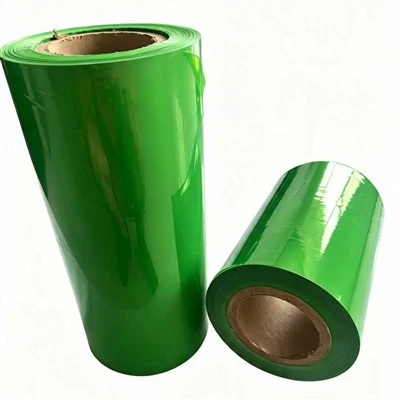
First, let’s get clear on what matte CPP film actually is, because not all matte finishes are created equal. Cast polypropylene (CPP) film is made by melting polypropylene resin and casting it through a flat die onto a chilled roller to cool, which gives it its rigid, uniform structure. The matte texture is achieved either by adding microscopic, inert fillers (like calcium carbonate) during the extrusion process, or by mechanically roughening the film’s surface—each method has its own pros and cons, which matter a lot depending on your use case. For example, filler-based matte CPP film tends to have a more consistent, scratch-resistant finish, making it ideal for food packaging that needs to withstand handling and print runs with high ink coverage. Mechanically roughened matte CPP, on the other hand, has a softer, more natural matte feel that’s popular for premium labels and stationery, though it may show more scuffs over time.
That’s why the first rule of sourcing matte CPP film is: don’t just buy based on “matte finish.” Your supplier should ask you specific questions about your end use: Are you laminating it to other materials like PET or paper? Will it come into contact with food or pharmaceuticals? What thickness do you need—15 microns for lightweight labels, or 80 microns for heavy-duty bagging? Are you printing full-color designs, or just simple text and barcodes? The right supplier will tailor their film to your needs, not just sell you a one-size-fits-all roll.
Now, where do you find these suppliers? Let’s break down the options, and be honest about the pros and cons of each, based on what I’ve seen working with buyers every day.
The first, and most reliable, option is working with a specialized CPP film manufacturer—suppliers that focus exclusively on polypropylene films, rather than a one-stop packaging shop that carries 100 different materials. Here’s why this matters. A specialized manufacturer controls every step of the production process: resin sourcing, extrusion, surface treatment, quality testing, and shipping. For example, when I check the resin for our matte CPP film, I test for melt flow rate and clarity to ensure the matte fillers are evenly dispersed, which prevents those annoying thin spots that cause wrinkles during converting. A general packaging distributor doesn’t control that process—they buy film from multiple manufacturers, so quality can vary wildly from batch to batch. Last year, I worked with a small snack brand that had been buying matte CPP film from a local distributor; half their rolls had uneven matte finish, leading to 15% of their custom printed bags being rejected. When they switched to a specialized manufacturer, that rejection rate dropped to less than 1%.
Specialized CPP film manufacturers also offer two key benefits that distributors can’t: custom formulation and technical support. If you need matte CPP with anti-static properties for electronic component packaging, or with a higher oxygen barrier for fresh produce packaging, a specialized supplier can tweak the extrusion process to meet those requirements. They’ll also have a team of technical experts who can walk you through converting: how to adjust your printing press tension, how to laminate the film without blocking, how to store rolls so the matte finish doesn’t degrade. Distributors usually don’t have that in-house expertise—they just pass your order along to a producer and take a cut. The downside? Specialized manufacturers often have minimum order quantities (MOQs) that are higher than distributors, usually around 2,000 linear meters for standard rolls, though many will work with smaller buyers for custom formulations if you’re willing to adjust lead times.
The second option is using a trusted packaging distributor that specializes in flexible packaging materials. This is a good fit if you’re a small business that needs small, frequent orders, or if you’re testing matte CPP film for a new product line and don’t want to tie up cash in large MOQs. A good distributor will vet their manufacturers, so you don’t have to—they’ll test film batches for thickness consistency, surface roughness, and printability before stocking it, and they’ll handle logistics, so you don’t have to coordinate shipping from a factory overseas. The key here is to avoid distributors that carry no-name, low-cost matte CPP film from unvetted manufacturers. I’ve seen distributors source film from factories in regions with lax quality controls, leading to films that have high levels of residual solvents (a big no-no for food contact packaging) or that have uneven surface tension, making printing inconsistent. To avoid this, ask the distributor for proof of compliance: does their matte CPP film meet FDA standards for food contact, or REACH regulations for products sold in the EU? Do they provide COAs (certificates of analysis) for every batch? Any reputable distributor will have these documents on hand. The downside of distributors is that they often charge a 10-20% markup, and they may not offer custom formulations, so you’re limited to the films they have in stock.
The third option is sourcing matte CPP film directly from overseas manufacturers, usually in Southeast Asia (like Thailand, Vietnam, or Malaysia) or China. This is appealing because the upfront cost per roll is often lower than domestic suppliers, but it comes with significant risks that I’ve seen buyers struggle with for years. The biggest risk is quality control: when you order from an overseas factory, you don’t have eyes on the production line, and a lot of low-cost producers cut corners on resin quality or filler consistency. I once worked with a cosmetics brand that ordered matte CPP film from a Chinese factory to make sample labels; the film arrived with a rough, uneven matte finish that made their custom foil stamping look patchy, and the factory refused to take it back because it had already been shipped. Another risk is lead times: if a factory has a production delay, you could be waiting 6-8 weeks for your order, which can halt your entire production line. There’s also the risk of import delays, customs hold-ups, and hidden fees like duty or freight that can eat into your cost savings. If you do decide to source overseas, work with a third-party inspection company to test batches before they ship, and make sure your contract includes clear quality standards and return policies. For most small to mid-sized businesses, the hassle of overseas sourcing isn’t worth the small cost savings—unless you’re ordering very large volumes (100,000+ linear meters per year).
Now, let’s talk about red flags to avoid when buying matte CPP film. I’ve seen so many buyers get burned by these, so pay attention. First, if a supplier refuses to provide COAs or regulatory compliance documents. Matte CPP film used for food packaging needs to meet specific standards, and any supplier that can’t prove their film meets those standards is not worth your time. Second, if the price seems too good to be true. If a roll of matte CPP film is 30-40% cheaper than the average market rate, it’s likely made with low-grade resin or too much filler, which will affect printability, durability, and shelf life. Third, if the supplier has poor communication. When you’re dealing with packaging materials, lead times, batch consistency, and technical questions matter, and a supplier that takes 2 days to answer your email or can’t explain the difference between filler-based and mechanically matte film is not going to support you when you run into a problem.
As a matte CPP film supplier, I also want to talk about something that not many buyers consider: sustainability. More and more brands are pushing for packaging that’s recyclable, and matte CPP film has made huge strides here in recent years. A lot of new matte CPP films are made with 100% recyclable polypropylene resin, and some are even designed to be mono-material, meaning they can be recycled without being laminated to other materials. When you’re sourcing matte CPP film, ask your supplier about their sustainability practices: do they use post-consumer recycled (PCR) resin? Is their film designed for recyclability? Do they offer take-back programs for unused film scraps? At our facility, we’ve invested in new extrusion lines that cut energy use by 25% per roll, and our matte CPP film is compliant with the latest recycling standards for flexible packaging. It’s not just about selling a product—it’s about helping our customers meet their sustainability goals, too.
Let’s wrap this up with a step-by-step guide to finding the right matte CPP film supplier for your needs:
- Define your requirements first. Before you start reaching out to suppliers, write down exactly what you need: end use, required thickness, regulatory standards (FDA, REACH, etc.), volume needed, and any special properties (anti-static, barrier, etc.). This will save you time, and help suppliers give you accurate quotes.
- Vet suppliers against your use case. If you’re packaging food, prioritize suppliers that offer food-compliant film. If you need small orders, work with a trusted distributor. If you need custom formulations, go with a specialized CPP manufacturer.
- Ask for proof. Always request COAs, regulatory compliance documents, and, if possible, sample rolls to test in your production line. A good supplier will send you free samples without hesitation.
- Test a small order first. Don’t place a large initial order—start with a small batch to test quality, consistency, and how the film works with your existing equipment. This will help you avoid costly mistakes.
- Prioritize long-term partners over one-off low prices. Working with a supplier that understands your business can save you a lot of hassle down the line: they’ll adjust orders to meet your production schedule, address quality issues quickly, and help you find new film formulations as your product line grows.
Matte CPP Film At the end of the day, matte CPP film is more than just a roll of plastic—it’s a core part of your product’s packaging, and it affects everything from print quality to customer perception to regulatory compliance. If you’re ready to source high-quality, consistent matte CPP film that’s tailored to your needs, our team is here to help. We offer a range of standard and custom matte CPP films, plus technical support to help you integrate the film into your production line, and we work with businesses of all sizes, from small startups to large multinational brands. To discuss your specific requirements and request a sample, feel free to reach out for a no-obligation consultation.
References
- Plastic Film and Sheeting Association. (2022). Cast Polypropylene Film: Properties and Industrial Applications.
- European Flexible Packaging Association. (2023). Regulatory Standards for Matte Polypropylene Films for Food Contact.
- Smith, L. et al. (2021). Quality Metrics for Flexible Packaging Films: Consistency and Converting Performance. Journal of Packaging Science and Technology.
- Global Market Insights. (2024). Matte Polypropylene Film Market Report: Growth, Trends, and Supply Chain Analysis.
Qingzhou Huiyuan Packaging Materials Co., Ltd.
As one of the most professional matte cpp film suppliers in China since 1997, we’re featured by quality products and good service. Please feel free to buy cheap matte cpp film made in China here from our factory. For price consultation, contact us.
Address: Naoshan Industrial Park, Shaozhuang Town, Qingzhou City, Weifang, Shandong Province, China.
E-mail: 15864598133@163.com
WebSite: https://www.huiyuanfilms.com/
