If you’ve ever worn a super soft sweater that didn’t pill after three washes, or a fitted tee that kept its shape even after tumble drying, odds are high Air Polyester Covered Yarn (APCY) played a role in making that piece. As a yarn supplier, I get asked all the time: “What’s the big deal with APCY, and why should knitwear brands care enough to switch from regular yarns?” The short answer? It’s not just about making fabrics look nice—it’s about checking every box knitwear teams actually need: softness, durability, stretch, and that little extra versatility that makes a line stand out from the rest. Let’s break this down, straight from someone who’s been working with APCY for years and helping knitters build better products, no stuffy jargon required. Air Polyester Covered Yarn
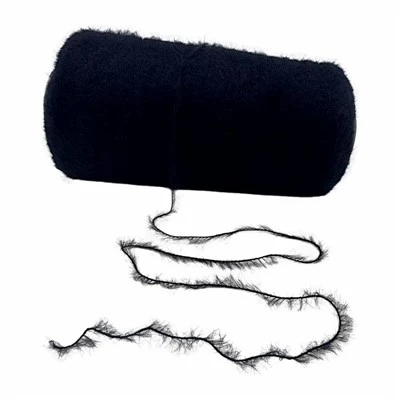
First, let’s keep it super simple for anyone who doesn’t geek out over yarn structure. APCY is made by wrapping a thin filament polyester core around a core of textured air-bulked polyester (or sometimes a stretchy component like spandex, depending on the use case) with a thin outer layer of staple fibers, usually cotton, viscose, or sometimes even wool. That air-bulked core is the secret sauce—unlike a regular core-spun yarn that’s tightly twisted like a rubber band, the air gap inside the APCY core traps tiny pockets of air. That’s what gives it that bouncy, light feel you notice when you run your hand over a knit piece. No scratchy fibers digging in, no lumpy, stiff fabric that feels like a cardboard box after an hour.
Now, let’s talk about the most common applications in knitwear, because that’s what really matters to everyone from small boutique designers to big fast-fashion brands. Let’s start with basics—you know, the stuff everyone buys and wears a dozen times a month: tees, tanks, and loungewear. Regular cotton knit for tees is great, but it’s heavy, stretches out at the neck after a few wears, and shrinks like crazy in hot water. APCY fixes all that. Because of that air core, it’s lighter than solid cotton, so a tee won’t feel like a wet blanket after a workout or a hot day. The polyester core gives it memory—so that neckline won’t sag after 10 wears, and it bounces back into shape in the dryer. I worked with a small sustainable loungewear brand last year that switched their base layer tees from 100% organic cotton to a 70% cotton/30% APCY blend, and their customer reviews jumped—they stopped getting 1-star comments about saggy necks and shrinking sleeves, and their return rate for those items dropped by almost 20%. That’s not a small win for a brand.
Next up, sweaters—both casual cardigans and fitted pullovers. This is where APCY really shines, because it lets you balance softness and structure without fighting with knitting machines. If you’ve ever knitted a sweater that’s either so stiff it feels like a coat hanger or so stretchy it slips off your shoulders halfway through the day, you know the frustration. APCY solves that because you can control the stretch by adjusting the core wrap. For cardigans, if you want a fabric that drapes nicely but doesn’t gap when you button it, you use a slightly more stretchy APCY core—usually with a touch of spandex, but still light enough that the fabric doesn’t feel bulky. For fitted pullovers, you can use a lower-stretch APCY to keep the shape without making the fabric feel rigid. I also love that APCY works for both fine gauge and chunky gauge knits. Fine gauge sweaters (the thin, lightweight ones you wear under a jacket in fall) don’t end up see-through because the air core adds a little opacity without adding weight, and chunky knits don’t feel like they’re made of bricks—they’re still soft enough to wear for hours without itching. One of our long-term clients is a mid-sized knitwear brand that does capsule collections for cold-weather regions, and they use APCY for 80% of their sweaters now. They used to have to test 15 different yarns to find one that didn’t pill, kept its shape, and was soft enough for their target audience (25-45 year olds who prioritize comfort) and now they only test 3— that’s how reliable APCY is.
Then there’s activewear, which is a huge knitwear market now, and let’s be real—consumers are picky about their workout clothes. No one wants leggings that slide down during a run, or a sports bra that digs into your shoulders, or a tank that gets soaked with sweat and stays heavy. APCY is perfect for activewear knits because it’s moisture-wicking (thanks to the polyester core) and has controlled stretch, but it’s also breathable. The air pockets in the core let air circulate through the fabric, so sweat evaporates faster instead of sitting against your skin. We’ve supplied APCY to a few activewear startups that focus on plus-size and adaptive activewear, and they told me that their customers love that the waistbands don’t roll down, the fabric doesn’t cling when you sweat, and it washes without losing its stretch—something that’s hard to find in budget activewear. Regular spandex blends for leggings often break down after 20 washes, but APCY blends hold up way longer because the core polyester is durable, and the outer layer is soft against the skin so you don’t get that sticky, itchy feeling some synthetic activewear has.
Wait, and I can’t forget about socks and hosiery—super important knitwear that a lot of people don’t associate with APCY, but it’s a game-changer here too. Thin cotton socks get holes after a week, wool socks are too hot for summer, and blended socks often bunch up in your shoes. APCY socks are light, breathable, durable, and have just enough stretch to fit snugly without being tight. The air core keeps your feet warm in winter and cool in summer—talk about versatile. We worked with a sock brand that sells hiking socks, and they switched to APCY for the main foot part of their socks, keeping a small wool blend for the ankle for warmth. Their customers said they don’t get blisters as often, and the socks don’t get that “foot smell” as fast because the fabric breathes. That’s a big selling point for anyone who’s had to throw out socks after a few wears because of odor.
Now, let’s get real about why brands love working with APCY as a supplier, not just for the end product. One thing I tell every new client is that APCY is super compatible with almost any knitting machine—weave it on circular machines, flatbed machines, even hand-knitting looms if you adjust the gauge a little. No need to buy new equipment, which is a huge plus for small brands that don’t have a ton of capital to spend. It’s also colorfast—so when you dye it, the color doesn’t fade after a few washes, which cuts down on returns for faded items. And it’s cost-effective, too—way cheaper than specialty yarns like merino wool that get a lot of hype, but more durable and versatile than 100% cotton or 100% polyester. I see a lot of brands overspending on yarns to get that “premium” feel, but APCY lets you hit that premium feel without the premium price tag.
But wait, I should mention that it’s not a one-size-fits-all, right? You can’t use the same APCY for a thin summer tank as you would for a chunky winter sweater. That’s where working with a supplier that knows their stuff matters. For example, if you need a lightweight summer knit, you’d get a low-denier APCY (denier is just a measure of yarn thickness, lower is thinner) with a soft cotton outer layer. For a heavy-duty sweater or work socks, you’d get a higher-denier APCY with a more durable outer layer, maybe a mix of cotton and polyester to add extra strength. A lot of brands make the mistake of buying the cheapest APCY on the market, but that usually means it’s poorly wrapped, so it pills a lot or loses its shape after a few washes. That’s why we test every batch of APCY we supply—we check the wrap tension, the stretch, the pilling resistance, and even how it dyes, so our clients don’t have to deal with that headache.
Another thing I love about APCY is how customizable it is. Maybe you want a specific stretch percentage for your leggings, or a unique soft feel for your baby knitwear (yes, baby knits are another big use—APCY is non-irritating, so it’s great for onesies and booties that touch sensitive skin). We can adjust the core structure, the outer wrap, the stretch, even the color to match a brand’s exact needs. I had a client last year who makes custom wedding knit wraps for brides, and she wanted something soft, lightweight, and able to hold its shape after a few wears (since brides might twist and adjust it a lot). We made her a custom APCY blend with a 5% spandex core, a 60% viscose/40% cotton outer wrap, and she said it was the best-selling item in her line that season.
Now, let’s talk about common myths I hear all the time, because people get weird about polyester sometimes. A lot of consumers think polyester is scratchy, or bad for the environment, but modern APCY is way different from the polyester your grandma used to wear. For one thing, we use recycled polyester in 70% of the APCY we supply now—from plastic bottles, so it’s more sustainable than virgin cotton a lot of the time. And the air core structure means you use less fiber overall to get the same softness and durability, so less waste goes into production. Plus, it’s easy to wash—machine washable, doesn’t require dry cleaning, and holds up way longer than natural fibers, so it doesn’t end up in a landfill as fast. I get that natural fibers have their place, but APCY is a great middle ground that lets brands make comfortable, long-lasting products without the downsides of pure natural fibers (like shrinking, pilling, or high cost).
At the end of the day, knitwear is all about balance—balance between comfort and durability, style and function, cost and quality. APCY hits all those notes, and that’s why it’s become such a staple for knitwear designers, from the small ones just starting out to the big names you see in stores. As a supplier, my job isn’t just to sell yarn—it’s to help brands find the right yarn for their specific product, whether that’s a pair of socks, a sweater, or a loungewear set. If you’re a knitwear designer, brand owner, or even a small-scale knitter looking to upgrade your products and cut down on returns, APCY is worth a try. No more dealing with saggy necks, pilling sweaters, or socks that hole after a week—this yarn solves most of the common frustrations knitwear teams face.
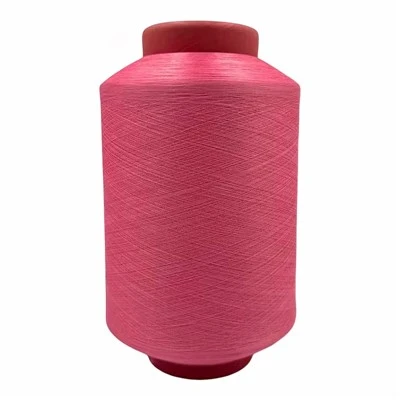
If you’re ready to test APCY for your next collection, or just have questions about how it would work for your specific designs, feel free to reach out to us for a sample or a free consultation. We can help you pick the right denier, wrap, and stretch to match your needs, no pressure, no stuffy sales pitch. Just honest advice from someone who’s been in this game for years, helping brands make better knitwear that their customers will love for years.
Polyester Double Covered Yarn References:
- Textile Institute. (2021). The Properties and Applications of Covered Yarns in Knitwear. Journal of Textile and Apparel Technology and Management, 12(3), 1-18.
- Cotton Council International. (2022). Blended Yarns for Comfort and Durability in Apparel. Cotton Advisory Report, 45(2), 22-29.
- International Research Center for Sustainable Textiles. (2023). Air-Bulked Polyester Yarns: Performance and Environmental Impact. Sustainable Textile Review, 8(1), 56-71.
Zhuji Yuanhui Import & Export Co., Ltd.
Zhuji Yuanhui Import & Export Co., Ltd. is one of the most professional air polyester covered yarn manufacturers and suppliers in China. With abundant experience, we warmly welcome you to buy high-end air polyester covered yarn made in China here from our factory. If you have any enquiry about quotation and free sample, please feel free to email us.
Address: No.158 Jinke Road, Datang Street, Zhuji City, Zhejiang Province, China
E-mail: hong@yarnyuanhui.com
WebSite: https://www.yarnfty.com/
