Hey everyone, let’s cut through the jargon right away—if you’ve ever wondered what those big, loud industrial plants that pump out pure oxygen for everything from hospitals to steel mills actually do, you’re in the right spot. And since I’m an Air Separation Unit (ASU) supplier, I’ll keep this real, no fancy textbook fluff that makes your eyes glaze over. Let’s start with the basics: an oxygen plant (also called an oxygen production plant, or if we’re being super casual, just an O2 plant) is a facility that takes regular old air—you know, the stuff we breathe every day—and splits it into its pure individual gases. Sound wild? Yeah, air isn’t just oxygen; it’s roughly 78% nitrogen, 21% oxygen, 1% argon, and tiny bits of other gases. The whole point of an oxygen plant is to separate that 21% oxygen into something way more concentrated—like 95% to 99.5% pure oxygen—so it can be used for all kinds of critical stuff we don’t always think about. Air Separation Unit

Let’s break down how these things actually work, because if you’re like me, you probably don’t care about super complicated equations, just the meat of it. The most common method big oxygen plants use is called cryogenic distillation. Wait, “cryogenic” just means super cold, like way colder than your freezer at home. Here’s the play-by-play: first, you suck in tons of ambient air, then filter out all the junk—dust, dirt, moisture, even CO2—because if any of that gets in, it could mess up the process or damage the equipment. Next, you cool that filtered air down until it turns into a liquid. How? By compressing it first (compressing air makes it hot, duh) then cooling it with refrigeration cycles, plus using the cold produced when some of the expanding air turns back to gas. It’s like a loop that keeps getting colder and colder until the air is -183°C (-297°F) — at that temperature, oxygen turns from a gas into a liquid, while nitrogen stays liquid at a way lower temperature (-196°C, or -321°F). So once it’s all super cold liquid, you distill it in columns, kind of like how you separate alcohol from water, and boom—you get pure liquid oxygen at the bottom of the column, and pure nitrogen (and argon, which is a bonus) at the top. That’s the cryogenic ASU at work, which is the go-to for large-scale oxygen production because it’s efficient for big volumes.
But wait, not all oxygen plants are giant cryogenic ones. There’s also pressure swing adsorption (PSA) units, which are smaller, cheaper, and don’t need to get anywhere near that -183°C cold. PSA works by using special molecular sieve materials that stick to nitrogen when you push regular air through them at high pressure, leaving pure oxygen to come out the other side. Then when the pressure drops, the sieve releases the nitrogen so it can be reused. PSA is perfect for smaller operations—like a local hospital that needs a steady oxygen supply but doesn’t need thousands of cubic meters a day. As an ASU supplier, we work with both big cryogenic setups for steel factories and gas processing plants, and smaller PSA units for clinics, welding shops, and even food and beverage places that use oxygen to boost fermentation.
Now, you might be thinking—who actually needs this pure oxygen? It’s not just for COVID patients (though that’s a huge one, let’s be real). Let’s run through the most common uses, because that’s where you’ll realize how integral oxygen plants are to our daily lives, even if you never see one. First off, healthcare: hospitals use medical-grade oxygen (99% pure) to treat everything from respiratory failure to heart issues. During the pandemic, a lot of people realized how critical a steady oxygen supply is, and that’s where oxygen plants (not just cylinders shipped in) became a game-changer—because you don’t have to rely on deliveries, you can make it on-site 24/7. Then there’s industrial uses: steel mills burn oxygen with iron to get the high temperatures needed to make steel way faster and with less waste. Welding also uses pure oxygen to create a hotter flame that melts metal quickly and cleanly. The energy sector uses oxygen too—power plants that run on natural gas or coal use oxygen for more efficient combustion, and hydrogen production (which is big for green energy) often relies on separated oxygen as a byproduct. Even stuff you eat and drink: carbonated drinks use CO2 (another byproduct of ASUs), and breweries use oxygen to help yeast ferment beer properly. Oh, and space! NASA uses liquid oxygen from oxygen plants as fuel for rockets, paired with hydrogen. Crazy, right? The same stuff we breathe every day powers rockets to the moon.
Wait, let’s talk about why picking the right oxygen plant (aka the right ASU) matters so much. If you’re a small clinic, buying a giant cryogenic plant that makes 10,000 cubic meters of oxygen a day is overkill, super expensive to run, and a waste of space. That’s why PSA is the call there. But if you’re a steel mill that needs 100,000 cubic meters of oxygen every single hour, a cryogenic unit is the only way to go—because it’s more energy-efficient for those massive volumes. As an ASU supplier, we don’t just sell you a machine and dip. We assess your exact needs: how much oxygen do you need per day? What purity level do you require? (Medical is 99%, industrial might be 95%, food-grade is specific too.) Do you have space for a big plant, or do you need something compact? What’s your budget for setup and ongoing power? That’s the stuff that makes a good ASU supplier different from just someone selling equipment—we’re not pushing one-size-fits-all, we’re solving your problem.
I also want to call out some common myths I hear all the time. First myth: oxygen plants are only for big factories. Nah, like I said, PSA units for medical use are small enough to fit in a room the size of a gym, no big outdoor setup needed. Second myth: pure oxygen is dangerous 24/7. Yeah, in high concentrations it’s a fire hazard, but modern oxygen plants have built-in safety systems—pressure regulators, gas detectors, emergency shutoffs—so they’re totally safe when maintained right. Third myth: making pure oxygen is super expensive. Again, depends on the scale. Large cryogenic plants have super low per-cubic-meter costs because they’re so efficient, while PSA units are affordable for small operations. It’s all about matching the unit to your usage.
Another thing I should mention: oxygen plants don’t just make oxygen. They produce nitrogen and argon too, which are valuable byproducts. Nitrogen is used to keep food fresh, to prevent explosions in mines, and even in computer manufacturing. Argon is used in welding, light bulbs, and semiconductor production. So when you invest in an ASU, you’re not just getting oxygen—you’re getting two other useful gases you might not have even thought to pay for. That’s a big plus for big operations, because they can sell those byproducts to make their ASU investment even worth it.
Wait, let’s get real about the behind-the-scenes work for oxygen plants. They don’t run themselves, right? A good oxygen plant needs regular maintenance: checking the filters, testing the gas purity, making sure the compressors and distillation columns are working properly. If you skip maintenance, you can get drops in oxygen purity, higher energy bills, or even a full shutdown, which is a nightmare—especially for a hospital relying on that oxygen. As a supplier, we offer ongoing support: emergency repairs, regular check-ups, software updates for the controls, and even training for your staff so they know how to run the plant safely and fix small issues before they become big ones.
Now, if you’re here because you’re thinking about getting an oxygen plant—whether you’re a clinic needing a steady medical oxygen supply, a steel mill looking to cut energy costs, a brewery wanting better fermentation, or any other business that needs pure O2—let me tell you: this isn’t a purchase you want to rush. Cheap, no-name ASUs might seem like a good deal upfront, but they often have lower purity, higher energy use, and way more downtime. As an ASU supplier, we test every unit before it leaves our facility, tailor it exactly to your needs, and stand behind our work. We’ll walk you through every step: from figuring out your oxygen demand, to installing the unit safely, to training your team, to being there when you need us after the sale.
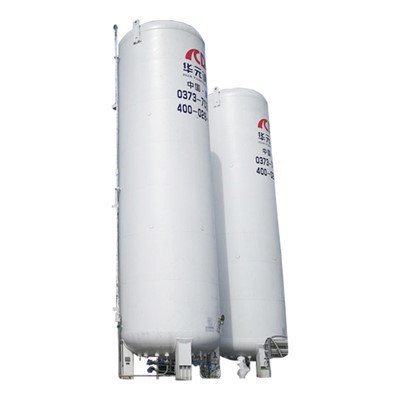
At the end of the day, oxygen plants are the unsung heroes of modern society. They make the medical care we take for granted possible, the steel that builds our cars and skyscrapers, the food we eat last longer, and even the rockets that explore space. If you’re running a business that depends on a steady, reliable supply of pure oxygen, you don’t have to go it alone. We’re here to help you pick the right ASU, set it up, and keep it running smoothly so you can focus on what you do best, not worrying about oxygen shortages or purity issues. If you’re ready to talk through your needs and get a customized solution, reach out—we’re here to help.
Large Scale Air Separation Unit References:
- Gas Processors Suppliers Association. (2020). Engineering Data Book, 15th Edition.
- American Society of Mechanical Engineers (ASME). (2019). Cryogenic Air Separation Systems: Design, Operation, and Safety.
- National Institutes of Health (NIH). (2021). Oxygen Supply Chain Resilience for Healthcare Facilities.
- U.S. Energy Information Administration (EIA). (2022). Industrial Uses of Oxygen and Nitrogen.
- Pressure Swing Adsorption Association (PSAA). (2020). PSA Technology for Small-Scale Gas Separation.
Xinxiang Jiale Intelligent Equipment Co., Ltd.
As one of the leading air separation unit manufacturers and suppliers in China, we also support customized service. Please feel free to buy high quality air separation unit for sale here from our factory. Contact us for more details.
Address: No.3913, 9th Floor, Unit 3, East Commercial and Office Complex, Baolong City Plaza, Hongqi District, Xinxiang City, Henan Province, China
E-mail: 1308567849@qq.com
WebSite: https://www.jialeasu.com/
