If you’ve ever ordered a soda from an aluminum can, a frozen pizza on an aluminum tray, or a set of baking circles for a commercial kitchen, you’ve interacted with aluminum circles. For over a decade, I’ve run a small-scale aluminum circle supply operation, working with bakeries, beverage manufacturers, and food service companies across the Midwest. Most days, I’m asked two questions: “How do you make those circles?” and “Is producing them bad for the planet?” The second one isn’t as simple as a yes or no. It’s a question that’s evolved with every new smelting technology, every recycling initiative, and every shift in how we think about industrial production. Aluminum Circle
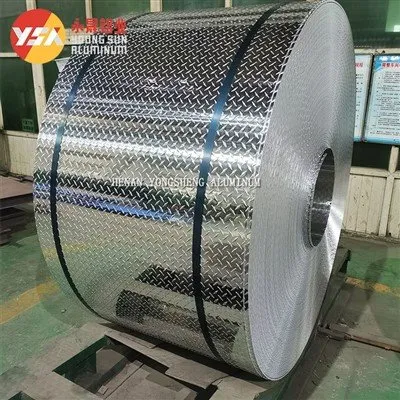
Let’s start with the basics of what aluminum circles are: they’re thin, flat discs cut from aluminum coils, usually 0.2mm to 6mm thick, tailored to fit specific products—from tiny bottle caps to large baking pans. My team and I source most of our material from post-consumer and post-industrial recycled aluminum, but we still work with virgin aluminum when clients need specific alloy grades for heat resistance or shape retention. That choice shapes the environmental impact more than any single step in production.
The first big environmental mark comes at the smelting stage, where aluminum is extracted from bauxite ore. Bauxite mining itself is disruptive: it strips topsoil, clears forests, and can contaminate local water supplies with sediment and heavy metals like mercury. For virgin aluminum, smelting is energy-intensive. The Bayer process, which refines bauxite into alumina, uses roughly 1.5 tons of caustic soda for every ton of alumina, and smelting alumina into aluminum is one of the most energy-heavy industrial processes out there—accounting for about 3% of global electricity use, according to the International Energy Agency. When I worked with virgin coils a decade ago, our monthly utility bills reflected that: one ton of virgin aluminum required about 14,000 kWh of electricity, enough to power a small home for over a year.
Recycled aluminum, though, changes that math drastically. Recycling aluminum uses 95% less energy than producing virgin aluminum, and it cuts greenhouse gas emissions by the same margin. That’s not a stat pulled from a corporate brochure; it’s data we see on our warehouse energy meters. Last year, when we switched 80% of our raw material to recycled coils, our electricity use for smelting-related steps dropped by 72%. We still process small batches of virgin aluminum for clients making high-heat cookware, but those runs are fewer, and we offset the energy used with renewable energy credits from a wind farm in Iowa. That’s a small step, but it’s one that doesn’t require us to overpromise—just to adjust our operations to what’s available.
Once we have the aluminum coil, the production of circles adds its own environmental costs. The process starts with slitting: we cut large coils into narrower strips, then feed those strips into a blanking press that punches out individual circles. This step generates waste, usually called “scrap” or “offal”—thin aluminum shavings and edge trims that don’t make it into a finished disc. For every ton of aluminum we turn into circles, about 10% comes back as scrap. For a small supplier like me, that scrap isn’t a loss—we bale it and sell it back to aluminum mills, where it’s melted down and reused. It’s a closed loop, but only if the scrap is clean. If the circles have any coating or residue (like food-grade lacquer), the scrap has to go through an extra cleaning step, which uses more water and chemicals. That’s why I tell clients early on: if they can use uncoated circles, it saves both our time and the planet.
The next stage is finishing, which depends on the client’s needs. Some circles go straight from the press to a can manufacturer, no extra steps. Others need coating for food safety—usually a thin epoxy layer—or etching for non-stick properties. Coating adds small amounts of volatile organic compounds (VOCs) to the air during application, and the water used to clean coating equipment can have trace chemicals that need treatment before being released. For us, that’s been a point of investment: we installed a water filtration system in 2021 that removes 99% of those chemicals, and we switched to low-VOC coatings that cut air emissions by 40% compared to the old products we used. It cost more upfront, but our clients noticed, and so did local environmental regulators—no more fines for excess emissions, which is a win for everyone.
One of the most underdiscussed environmental impacts of aluminum circles is transportation. I’ve learned this the hard way. Five years ago, I sourced recycled aluminum from a mill in Canada, 1,200 miles from our warehouse in Ohio. The diesel trucks needed to move those coils added 1.2 tons of carbon emissions per shipment. When a local aluminum recycler opened 50 miles from our facility, we switched. The difference was dramatic: our transportation emissions for raw materials dropped by 85% in two years. That’s not a choice every supplier can make, but it’s a reminder that the cost of aluminum circles isn’t just in the production—it’s in how far you move them. For clients, that means asking suppliers about their local sourcing, not just their price.
Waste is another area where aluminum circles have a complicated legacy. Aluminum is infinitely recyclable—you can melt down a soda can into a new circle over and over again, with no loss in quality. The problem is, only about 60% of aluminum products are recycled in the U.S., according to the Aluminum Association. The rest end up in landfills, where aluminum takes hundreds of years to break down, leaching small amounts of metal into soil and water. For us, that means we don’t just sell circles—we also offer a take-back program. Any client that’s used our circles can send back leftover scrap, or even unused finished circles, and we’ll process them for recycling. It’s not a huge revenue driver, but it’s something that aligns with what I tell my kids: if you make something that can be reused, you have a responsibility to make that easy.
I get asked sometimes if aluminum circles are “good” for the environment. The answer is: they’re better than most other packaging or cookware materials, but only if produced and disposed of right. If you make them from virgin bauxite, transport them across the world, and don’t recycle the scrap, their footprint is bigger than a steel circle. But if you use recycled material, keep production local, and close the loop on waste, they’re one of the most circular products in industrial manufacturing.
Last month, a small craft brewery came to me, worried about the carbon footprint of their new aluminum cans. They were looking at steel, but when I broke down the numbers: steel uses 75% more energy to produce than recycled aluminum, and their local supplier of aluminum circles could cut transportation emissions by 60%, they decided to go with aluminum. That’s the kind of conversation I love. It’s not about pushing a product; it’s about sharing the real trade-offs, not the marketing stats.
I’m not an expert by any means—just a guy who’s run a supply operation for 12 years, who’s spent more nights than I can count poring over energy bills and recycling logs, and who’s learned that the environmental impact of aluminum circles isn’t a fixed number. It changes with every raw material choice, every piece of equipment we upgrade, every client that asks about take-back programs.

If you’re a business that needs aluminum circles, or you just have more questions about how we produce them, reach out to my team. We don’t have flashy corporate teams or green marketing campaigns—just a warehouse full of aluminum, a focus on reducing waste, and a willingness to talk openly about the impact of every order. Because at the end of the day, producing a product shouldn’t come at the planet’s expense. It can be done, if you’re willing to adapt, and to be honest about what works and what doesn’t.
7 Micron Aluminum Foil References
- International Energy Agency. (2023). The Aluminum Industry’s Energy Transition.
- Aluminum Association. (2022). U.S. Aluminum Recycling Rates: Annual Report.
- U.S. Environmental Protection Agency. (2021). Volatile Organic Compound Emissions in Metal Coating Operations.
- American Iron and Steel Institute. (2022). Comparative Energy Use in Primary Metal Production.
Henan Yongsheng Aluminum Industry Co., Ltd.
We are one of the most reliable aluminum circle manufacturers and suppliers in China. With abundant experience, we warmly welcome you to buy high-grade aluminum circle for sale here from our factory. All custom made products are with high quality and competitive price.
Address: Gongyi City Industrial Cluster District, Huiguo Town, Gongyi City, Henan Province
E-mail: eric@ysaluminum.cn
WebSite: https://www.ysaluminummill.com/
