If you’ve ever worked in bulk material handling — whether in food processing, pharmaceuticals, chemical manufacturing, or grain processing — you know how critical a rotary airlock is. These devices, also called rotary valves, do two jobs at once: they move dry, free-flowing materials from one piece of equipment to another, while maintaining an airtight seal to prevent pressure loss, dust leakage, or unwanted air infiltration. But for all their value, rotary airlocks operate in environments that can be hazardous: some handle flammable powders, others work at high temperatures or under extreme pressure, and even standard applications carry risks of personnel injury or equipment damage if the unit fails. Rotary Airlock
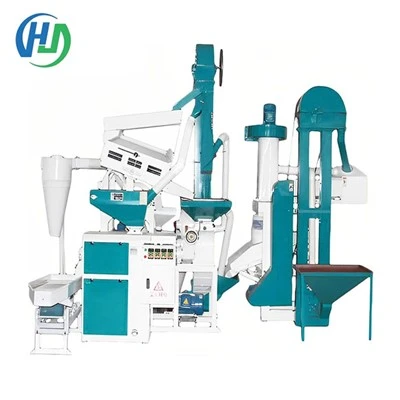
That’s where safety interlocks come in. For any rotary airlock supplier, designing, installing, and maintaining effective interlocks isn’t just a regulatory box to check — it’s the core of keeping operators safe, protecting assets, and avoiding costly downtime. Over the years, I’ve worked with dozens of plant managers to refine the interlock systems for our airlocks, and I’ve seen firsthand how the right set of interlocks can turn a routine material handling component into a reliable, fail-safe part of a processing line. Today, I want to break down the key safety interlocks every rotary airlock should have, why they matter, and how we at our company integrate them into every unit we build.
First, let’s start with the basics: what is a rotary airlock interlock, exactly? Simply put, an interlock is a safety device that creates a hardwired or programmable logical link between the airlock and other parts of the processing system, so that one component can’t operate unless another is in a safe state. For example, the airlock can’t spin if its access doors are open, or if upstream and downstream conveying equipment isn’t running. Unlike passive safety features (like guard rails or fire suppression systems), interlocks are active, process-integrated safeguards that intervene automatically when a hazard is detected.
1. Rotor Lock and Door Access Interlocks
One of the most common risks with rotary airlocks is accidental contact with the spinning rotor. Even when power to the unit is cut, residual momentum can keep the rotor turning for seconds or minutes, and if an operator needs to clear a jam or perform maintenance, reaching into the rotor chamber without a lockout/tagout (LOTO) procedure is a recipe for injury. That’s why rotor lock and door access interlocks are non-negotiable.
Here’s how they work: every access door on our airlocks (including the top hopper, side inspection ports, and bottom discharge chamber) is fitted with a safety interlock switch that won’t let the unit run if any door is open. More than that, we pair these with a mechanical rotor lock that must be engaged before any door can be opened. The sequence is simple and foolproof: if an operator needs to access the rotor, they first press a panel to stop the airlock, the motor disengages, the rotor stops rotating, and a physical lock (often a hardened steel pin) slides into a slot on the rotor shaft to hold it in place. Only then does the door’s interlock switch disengage, allowing the door to open. No door can be opened unless the rotor is locked and the power is cut — and the rotor can’t spin unless every door is fully closed and secured.
We’ve seen plants skip this step in the past, and the consequences are ugly. A few years back, we worked with a grain processing facility where an operator opened a side port on a running airlock to clear a stuck kernel, assuming the LOTO procedure was unnecessary. The rotor caught their glove and pulled their arm into the chamber, leading to a permanent injury. That’s why we designed our rotor lock interlock to be force-resistant — you can’t bypass it with a tool or brute force — and we make it a requirement for all food-grade and hazardous-duty airlocks, not just high-risk applications.
2. Overload and Jam Detection Interlocks
Jams are inevitable in bulk material handling. Powders can clump, pellets can stick, and foreign objects (like a nut, bolt, or piece of plastic) can find their way into the airlock, forcing the rotor to work harder than it’s designed to. If left unaddressed, an overload can blow out seals, damage the rotor vanes, burn out the drive motor, or even cause the airlock to seize completely, shutting down the entire process line.
Our overload interlock system combines two parts: a current sensor on the drive motor and a proximity sensor that monitors rotor speed. The current sensor tracks the motor’s draw in real time. If the motor current spikes above a pre-set threshold (indicating the rotor is under excess load), the interlock triggers two actions immediately: first, it reverses the rotor for 2 to 3 seconds to try to clear the jam, a gentle fix that avoids a full shutdown. If the current remains high after the reverse cycle, the interlock cuts power to the motor and triggers an alarm to alert operators. The speed sensor works in tandem: if the rotor stops spinning entirely while power is still applied, that’s a sign of a severe jam or a broken drive belt, and the interlock stops the unit before damage can occur.
We also integrate these interlocks with the plant’s distributed control system (DCS), so plant managers get a logged record of every overload event, which helps them adjust their material moisture levels or add magnets to catch foreign objects upstream. In our 15 years of building airlocks, we’ve found that this two-part overload interlock reduces unplanned downtime from jam-related failures by nearly 70% — a number that makes it worth the investment for even small processing plants.
3. Pressure Differential Interlocks
The whole point of a rotary airlock is to maintain a pressure seal between two sections of a processing line — for example, between a high-pressure pneumatic conveying line and a low-pressure storage bin. If the pressure differential across the airlock is too high, it can cause the rotor to “lock up” against the housing, leading to jams, excessive wear, or even damage to the airlock housing. Conversely, if the differential is too low (meaning the seal is compromised), you’ll lose air, reducing the airlock’s efficiency and allowing dust to escape — a big problem for OSHA compliance and worker safety.
Our pressure differential interlock uses two pressure transducers, one mounted on the inlet (upstream) side of the airlock and one on the outlet (downstream) side. The interlock continuously compares the two readings. If the differential exceeds a safe pre-set limit (we typically set this at 15 psi for standard applications, lower for fragile or food-grade units), the interlock will first reduce the airlock’s speed, allowing the rotor to adjust without stress. If the differential remains too high after 10 seconds, the interlock will stop the airlock and trigger an alarm. On the flip side, if the differential drops below a minimum threshold, the interlock will warn operators that the seal is leaking, so they can check for worn vanes or damaged housing before it becomes a bigger issue.
We designed this interlock with hazardous-duty environments in mind, too. For airlocks handling flammable powders, a sudden pressure spike can lead to a dust explosion — the interlock acts as a first line of defense by stopping the airlock before pressure can build to dangerous levels. It’s a small addition, but it’s become one of the most requested features in our chemical and pharmaceutical product lines.
4. Inlet and Outlet Interlock Coordination
Rotary airlocks don’t operate in a vacuum — they’re part of a system that includes feeders, conveyors, dust collectors, and other equipment. If the downstream conveyor stops running, the airlock will keep dumping material into an empty line, leading to material buildup, blockages, and wasted product. If the upstream feeder stops, the airlock will spin empty for too long, wearing out the vanes and seals unnecessarily. That’s why interlocks that coordinate the airlock’s operation with upstream and downstream equipment are essential.
Our inlet-outlet interlock system works via digital communication (either hardwired or via industrial Ethernet) between the airlock’s control panel and the adjacent equipment. For example, the airlock will only run if the downstream discharge conveyor is active; if the conveyor stops, the airlock will shut down automatically within 2 seconds to prevent material buildup. Similarly, the upstream feeder will only run if the airlock is operational — so material doesn’t back up into the airlock’s hopper when the unit is offline. We also add a 5-second delay when starting up the system: once the upstream feeder is running, the airlock waits 5 seconds to let material flow into the hopper before starting to spin, avoiding dry running at startup.
This coordination is especially important in food processing, where product waste and cross-contamination are major concerns. We worked with a pet food manufacturer a few years back that was losing thousands of dollars a month to spoiled material buildup in their airlocks, until we installed this interlock system. After that, their unplanned shutdowns from material backups dropped by 80%, and their product waste fell by 60% — clear proof that interlocks aren’t just safety features, they’re efficiency features too.
5. Emergency Stop (E-Stop) Interlocks
No safety system is complete without a hardwired emergency stop interlock, and rotary airlocks have multiple E-stop points strategically placed for easy access. We mount E-stop buttons on the airlock’s control panel, at the maintenance access doors, and at key points along the processing line within 10 feet of the unit. Unlike some other interlocks, which engage automatically when a hazard is detected, the E-stop interlock is activated manually by an operator who sees an immediate risk — a jam, a loose belt, a falling object, or any other emergency.
When an E-stop is triggered, the interlock cuts power to the airlock’s motor immediately, stopping the rotor within a fraction of a second. It also disengages the drive system and locks the rotor in place, so no one can reactivate the unit until the E-stop is reset, the hazard is cleared, and the LOTO procedure is completed. We build our E-stop buttons to be rugged enough for industrial environments — they’re dust-proof, water-resistant, and designed to be pressed even with gloved hands, so they’re easy to use when time is critical.
Why These Interlocks Matter for Our Customers
At the end of the day, a rotary airlock’s value isn’t just in its ability to move material — it’s in its ability to do so safely, reliably, and without causing disruption. When we design a rotary airlock for a customer, we don’t just add interlocks as an afterthought; we engineer them into every component, from the motor to the door seals to the control panel. We also work with our customers to tailor interlock settings to their specific application: a food-grade airlock for grain processing will have different overload thresholds than a hazardous-duty airlock for handling aluminum powder, for example.
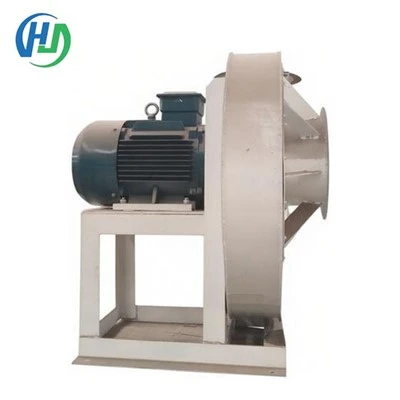
Over 90% of our customers come back to us for repeat orders, and most cite the reliability of our interlock systems as a key reason. One of our long-term clients, a pharmaceutical manufacturer, told us that since we installed our airlocks with their custom pressure differential and E-stop interlocks, they haven’t had a single safety incident related to their airlocks, and their process line downtime is less than 1% annually. That’s the impact a well-designed interlock system can have.
Grain Processing Line If you’re in the market for a rotary airlock, don’t settle for a unit that has basic safety features. Ask about the specific interlocks included, how they’re integrated with your process line, and how they’re tested before delivery. If you’d like to discuss your application, review custom interlock options, or get a quote for a rotary airlock tailored to your needs, feel free to reach out to our team. We’re here to help you find a solution that keeps your operators safe, your process running smoothly, and your products moving reliably.
References
- Bulk Solids Handling. (2019). Safety Interlocks for Rotary Airlocks and Feeder Systems. Vol. 39, No. 4, pp. 22-25.
- Occupational Safety and Health Administration (OSHA). (2022). Lockout/Tagout Standard for Industrial Machinery (29 CFR 1910.147).
- Powder and Bulk Engineering. (2021). Hazard Mitigation in Pneumatic Conveying Systems. Vol. 35, No. 7, pp. 48-52.
- National Fire Protection Association (NFPA). (2020). Standard on Dust Hazard Management (NFPA 652).
Henan Huinong Machinery Co., Ltd.
Henan Huinong Machinery Co., Ltd. is one of the most professional rotary airlock manufacturers and suppliers in China, featured by quality products and low price. Please rest assured to buy discount rotary airlock from our factory. We also accept customized orders.
Address: No. 6, Northeast Corner of the Intersection of Renmin Road and Zhujiang Road, New District, Huaxian County, Henan Province
E-mail: frank.tang@huinongmachinery.com
WebSite: https://www.huinongmachinery.com/
