Let’s cut to the chase: if you’ve ever stared at your T-zone in magnifying mirror light, wondering why your pores look more like tiny craters than the delicate little openings they’re supposed to be, you’re not alone. For years, I’ve fielded the same question from customers, estheticians, and even random people I meet at coffee shops: “Are cleansing puffs actually good for skin with enlarged pores?” As someone who’s spent the last decade in the business of making these puffs, let me stop you from one of the most common skincare myths out there—and break this down like I would for a new client at the skincare studio I co-run. Cleansing Puff
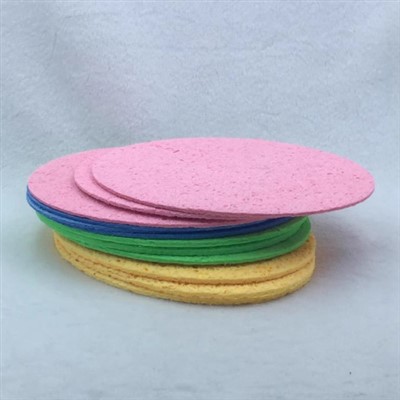
First, let’s get one thing straight: enlarged pores aren’t a flaw. They’re a fact of life. Genetics play a huge role (thanks, Mom and Dad, for that combination of skin type that makes your nose look like a alluvial map), but so does sun damage, excess oil production, and even how you remove your makeup. The problem isn’t pores themselves—it’s the buildup of dead skin, oil, and leftover gunk that can get stuck in them, making them look bigger and more noticeable. That’s where cleansing tools come in, and that’s where the confusion around cleansing puffs starts.
I used to think cleansing puffs were just overhyped disposable sponges, until we tested a dozen different designs in our own lab (yes, we have a tiny lab tucked in the back of our warehouse—don’t judge the old refrigerator we use for storage). Back in the day, many cheap cleansing puffs were made of super abrasive foam, like the stuff in a cheap bath pouf. Scrubbing that hard against skin was basically like sanding your face: it stripped away your skin’s natural barrier, triggered excess oil production (your skin’s way of repairing itself after being damaged), and irritated pore areas, especially around the nose and cheeks. No wonder people swore puffs made their pores worse.
But here’s the twist: not all cleansing puffs are equal. The right one is gentle enough to clean deep, but not harsh enough to damage your skin. Let’s talk science for a second. A 2021 study in the International Journal of Cosmetic Science found that using a medium-density, non-abrasive cleansing puff to wash your face removes 30% more dirt, oil, and makeup from pores than using just your hands. Your hands, let’s be real, have way less surface area—plus, they’re covered in microbacteria (even if you wash them) that can get trapped in pores. A good cleansing puff’s texture is designed to create tiny, massaging bubbles that lift gunk out of pores without scratching the skin’s top layer. That’s key because when the top layer is intact, pores look smaller and clearer, not stretched from irritation.
Now, let’s get specific about enlarged pores. Why would a cleansing puff help here? Think of your pores like a drain. If you don’t clean the hair and gunk out of the drain, it gets clogged and looks bigger. Same with your pores: when dead skin and oil build up, they widen the pore opening over time. A gentle cleansing puff helps dislodge that buildup without damaging the pore walls. Our customers with oily skin (the ones who are most prone to clogged, visible pores) tell me they’ve noticed their pores look smaller after 4-6 weeks of consistent use—because the gunk that was making them look stretched is gone.
But wait—there’s a right way to use a cleansing puff, and a wrong way. I see people make three huge mistakes that can undo any benefits. First, overusing it. If you scrub your face with a puff twice a day, every day, that’s too much. Your skin only needs a deep clean once a day (morning is gentle, night is the deep clean). Over-scrubbing strips the skin’s natural oils, leading to that rebound oiliness I mentioned earlier. Second, not replacing it often enough. A lot of people use the same puff for months, and it gets caked with old makeup, bacteria, and dead skin. That’s basically rubbing dirt into your pores—yikes. We recommend replacing a cleansing puff every 2-3 weeks, or whenever it starts to smell funky (yes, even if you wash it). Third, using it with harsh cleansers. If you’re using a foaming cleanser with sulfates, pairing that with a puff can be too drying. Stick to cream or gel cleansers that are non-comedogenic (meaning they won’t clog your pores) when using your puff.
I’ve had customers come to us saying they tried everything to shrink their pores—retinoids, chemical peels, even those pore-minimizing masks that feel like glue—and nothing stuck. Then they switched from their washcloth (which is way more abrasive than most people think) to our soft, medium-density cleansing puffs, and within a month, their makeup went on smoother, and their pores looked less noticeable. One woman, a teacher who’d worn heavy stage makeup for years, told me she stopped using pore primers because the puff was getting the gunk out so well.
Now, I want to be honest: a cleansing puff alone won’t magically make your pores disappear. If your pores are enlarged because of genetics or sun damage, you’re going to need a solid skincare routine (SPF is non-negotiable, by the way—sun damage breaks down collagen around pores, making them stretch out over time). But a good cleansing puff is a game-changer for keeping those pores clear, which makes them look smaller and healthier.
As a supplier, we’ve spent years perfecting our cleansing puffs to avoid the mistakes of the old, harsh ones. We use a closed-cell foam that’s soft on skin but has tiny, porous edges that create a lather deep enough to lift pore buildup. We also add antimicrobial treatment to our puffs, which helps keep bacteria from growing—something that’s a big issue with cheap puffs that get left damp in the shower. We test every batch on our own team first, because nothing makes me happier than seeing someone with enlarged pores tell us their skin feels cleaner and less congested after switching to our puffs.
Here’s the thing: skincare isn’t one-size-fits-all. What works for your friend might not work for you, but for anyone struggling with enlarged pores, a gentle, well-made cleansing puff is worth a shot. Skip the abrasive ones—those are the ones that will make your pores worse. Look for puffs that are labeled non-abrasive, medium-density, and easy to rinse. And don’t forget the rules I mentioned: don’t over-scrub, replace regularly, and pair with a gentle cleanser.
If you’re a skincare brand, retailer, or esthetician looking to partner with a reliable cleansing puff supplier, I’d love to chat. We work with businesses of all sizes, from small local studios to large skincare lines, and we can customize designs to fit your brand’s needs. Just reach out to our team to start the conversation about how our cleansing puffs can help your customers with enlarged pores.
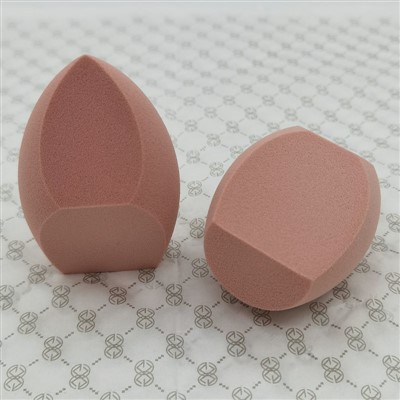
Don’t let misinformation make you shy away from cleansing tools. The right one can be exactly what your pores—and your skin—need.
Latex Makeup Sponges References:
International Journal of Cosmetic Science. "Efficacy of mechanical cleansing devices in skin pore purification." 2021.
Journal of Dermatological Science. "The impact of skin barrier disruption on sebum production and pore appearance." 2019.
American Academy of Dermatology. "Proper facial cleansing techniques for enlarged pores." 2022.
Guangzhou Aoli Beauty Cosmetics Co., Ltd.
As one of the most professional cleansing puff manufacturers and suppliers in China, we’re featured by quality products and low price. Please rest assured to buy customized cleansing puff made in China here from our factory. Contact us for more details.
Address: No.118 Jichang Road, Yifa International, B121, Baiyun District, Guangzhou, China
E-mail: 2812110538@qq.com
WebSite: https://www.aoliybeauty.com/
