When I first started working as a masking tape supplier, I can’t tell you how many times someone would call me asking for “gaffer tape” when they actually needed masking tape— or vice versa. At trade shows, I’ve had contractors roll their eyes when I pull out a roll of blue masking tape because they thought I was handing over the wrong stuff, and photographers have confused our product with the heavy-duty roll they keep in their equipment cases. It took me a while to realize that even though both tapes look similar at a quick glance, they’re like two different tools in a toolbox— same shape, totally different jobs. Let me break down the real differences, not just the surface-level stuff, so you don’t waste time (or money) grabbing the wrong one for your next project. Masking Tape
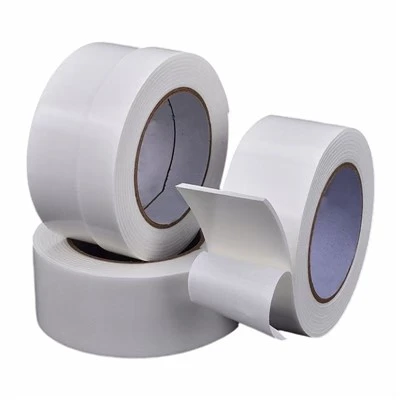
First off, let’s talk about masking tape, since that’s what I know best. Masking tape was invented back in the 1920s by 3M, right? A young lab technician named Richard Drew noticed that auto body painters were using weak, messy paper tapes that wouldn’t hold steady while spraying paint. So he made a paper backing with a light adhesive that stuck just enough to the car and peeled off without pulling paint or leaving sticky residue. That light adhesive is key— it’s designed to be temporary.
Our company’s masking tape line is built exactly for that temporary use. We use a crepe paper backing, which is stretchy but not super tough, and a rubber-based adhesive that’s way weaker than what you find on other tapes. If you’re using it for painting, that’s perfect— you can lay it down on baseboards, window trim, or furniture, spray over it, and when you peel it off, it comes clean even after a full day of paint drying. I’ve seen guys leave our masking tape on a house’s exterior for two weeks and still have no residue on the siding. But here’s the catch: it’s not meant for heavy, long-term use. If you try to use it to hang a shelf outdoors or secure a piece of equipment, it’ll lose its hold in the rain, sun, or just from being bumped. The adhesive breaks down in heat, too— leave it on a dashboard on a 90-degree day, and it’s a sticky mess. That’s one mistake I see people make all the time: using masking tape for jobs it never was designed for.
Now gaffer tape (or gaffer’s tape, for anyone in the film industry) is a whole other animal. Gaffer tape got its start in the 1950s, also for the film industry. Gaffers— the people who handle lighting and rigging on movie sets— needed a tape that was strong, wouldn’t leave residue on expensive camera gear or studio floors, and could hold heavy cables or lights without falling apart mid-scene. The big difference here is the backing: gaffer tape uses a polyester fabric (some people call it cloth) instead of paper. That fabric is way thicker, tear-resistant, and can stretch a little but doesn’t break easily. The adhesive is also way stronger— it’s a rubber-based adhesive, but it’s a heavy-duty version that sticks to concrete, metal, fabric, and even some plastics.
Wait, but here’s a myth I want to bust right now: gaffer tape is NOT duct tape. A lot of people mix those two up, too. Duct tape has a plastic (vinyl) backing and a way stickier adhesive, plus it’s usually silver. Gaffer tape is matte— most of the time black or gray, no shiny plastic finish. That’s important on film sets because shiny tape can reflect light and mess up a shot. Duct tape would do that, so gaffer tape was made to be invisible. Also, duct tape leaves a really sticky, hard-to-remove residue. I’ve had people bring me a piece of duct tape they tried to use as a “masking tape substitute” on wood trim, and it took hours to get the gunk off. Gaffer tape, though, is designed to come off clean— that’s a non-negotiable for gaffers who can’t damage studio floors or equipment. But even with that, if you leave gaffer tape on for too long (like a month or more), it will leave residue, especially on porous surfaces like wood. That’s another key difference between the two.
Let’s get into the specific use cases, because that’s where people get tripped up. If you’re painting a bedroom, trim, a car— any job where you need a clean edge and no mess later, masking tape is your guy. It’s cheap, easy to find, and exactly designed for that temporary, low-stick job. I’ve had small remodeling contractors tell me they won’t use any other tape for interior painting because our masking tape doesn’t lift latex paint, which is huge. Some cheaper tapes will pull off paint when you peel them, but we formulated our product to avoid that. Also, masking tape comes in different widths— from ¼ inch for detail work to 2 inches for baseboards. It’s lightweight, easy to tear by hand, so you don’t need scissors for small jobs.
Gaffer tape’s use cases are totally different. It’s for when you need something that holds, stays, and doesn’t leave a mess when you’re done. Film and TV crews use it to secure cables to floors (so no one trips), hang backdrop fabrics, repair broken equipment, or even mark spots on a set. It’s also used in events— for securing stage mats, holding banners, or marking walkways. Because it’s fabric-backed, it’s way more durable than masking tape. You can stretch it tight, and it won’t tear when you pull it. But here’s the thing: you don’t use gaffer tape for painting. If you try to mask off a wall with gaffer tape, the adhesive is so strong that when you peel it off, it’ll pull paint, and the matte finish can even bleed through some spray paints. I’ve had a couple of artists try that and come back frustrated, saying “gaffer tape won’t come off without ruining my art.” That’s exactly why they’re not interchangeable.
Another big difference is temperature resistance. Our masking tape works great in normal temperatures, but once it’s over 100 degrees or below freezing, it starts to lose its stick. I’ve had a roofing contractor call me last summer saying his masking tape fell off a roof mid-job— turns out he was using regular masking tape instead of a high-temperature variant. Wait, actually, that’s a good point: not all masking tape is the same. We sell high-temperature masking tape for exterior work, which can handle up to 200 degrees, but it’s still way weaker than gaffer tape. Gaffer tape can handle way more extreme temps— I’ve seen it used in snow for outdoor winter events and in hot studios with stage lights, and it still holds. But even then, it’s not made for permanent use. If you leave it on a building for a year, the adhesive will break down and leave residue, while masking tape would have turned to dust after a month out in the elements.
Let’s talk about cost, since that’s a factor for a lot of people. Our masking tape is way cheaper per roll. A 2-inch roll of basic masking tape runs like $2 to $3, while a roll of gaffer tape of the same width is $8 to $12. Why the difference? The materials, basically. Gaffer tape uses fabric instead of crepe paper, and the adhesive is a heavy-duty, clean-release formula that costs more to make. So if you’re on a budget for a painting job, masking tape is a no-brainer. If you’re securing a $5,000 stage light cable, you don’t want to skimp and use cheap masking tape that’ll slip— gaffer tape is worth the extra cost there.
I should also mention the “no-residue” thing, because that’s where people get confused. Both tapes are designed to leave little to no residue when used correctly. But “correctly” is key. If you leave masking tape on for too long (more than a few weeks), it’ll leave residue, same as gaffer tape. But masking tape is designed to be removed within a day or two, while gaffer tape is designed to be removed within a week or two. If you try to use masking tape to hold something heavy for a month, it’ll fall off and leave sticky gunk. If you use gaffer tape to mask off a wall for a paint job, it’ll pull paint and leave residue because the adhesive is too strong for the paper or latex paint.
I’ve had some customers test this themselves, which always makes me smile. A photographer friend once bought a roll of our masking tape to use for marking positions on a set, and halfway through the day, it fell off a concrete floor. Then he tried a roll of gaffer tape, and it stayed all day. But when he tried to mask off a backdrop with the gaffer tape, it pulled the fabric’s finish. So he ended up using both: masking tape for the paint line, gaffer tape for the cables. That’s the perfect example of when you need both, not one replacing the other.
Now, let’s address the times when people actually do need to know the difference. Last year, a guy from a construction company called me panicking because he ordered gaffer tape for interior painting, and it was ruining all his trim work. He’d wasted $500 on gaffer tape because he thought “stronger tape would be better for holding paint lines.” I helped him return the gaffer tape and gave him a bulk discount on our high-performance masking tape, and he’s been a repeat customer ever since. On the flip side, a local video production company called me when their go-to gaffer tape supplier was out of stock. They tried to use masking tape, and their cables kept slipping, almost causing a set accident. I pointed them to where they could get gaffer tape and warned them never to mix the two.
So why does this matter to you, whether you’re a homeowner, a contractor, an artist, or a filmmaker? Using the right tape saves time, money, and frustration. If you grab masking tape when you need gaffer tape, your cables will slip, your stage will be a mess, or your equipment might get damaged. If you grab gaffer tape when you need masking tape, you’ll ruin your paint job, waste materials, and end up with sticky residue you have to clean off. And as someone who’s spent years working with these tapes, I can tell you that mixing them up is one of the most common avoidable mistakes people make on their projects.
I know it’s easy to just grab a roll from the hardware store and go, but taking 10 extra seconds to make sure you’re picking the right one is worth it. If you’re not sure which tape fits your job— whether it’s painting, securing cables, marking a space, or anything else— don’t guess. That’s why we’re here. We’re not just a masking tape supplier; we’re the people who can help you figure out exactly what you need, so you don’t waste time or money on the wrong product.

If you have questions, need a bulk order, or just want to make sure you’re grabbing the right tape for your next project, reach out to us to chat. Whether you’re a small homeowner doing a bedroom repaint or a big production company needing dozens of rolls for a set, we’ve got the masking tape you need, and we’re happy to answer any questions you have. Don’t let another project get derailed by mixing up similar-looking tapes— we’re here to make sure you get it right.
Packaging Tape References
- "The History of Masking Tape: A 1920s Innovation That Changed Painting". Adhesives & Sealants Industry, 2019.
- "Gaffer Tape 101: The Film Industry’s Go-To Rigging Tape". American Cinematographer, 2021.
- "Adhesive Tape Performance: Masking vs. Gaffer Adhesion Properties". Journal of Applied Adhesion Science, vol. 8, no. 2, 2022, pp. 45-62.
- "Surface Residue from Temporary Tapes: Best Practices for Removal". Construction Paint & Decorating Magazine, 2020.
Haining Sunrich Adhesive Tape Products Co., Ltd.
As one of the most professional masking tape manufacturers and suppliers in China, we also support customized service. Please feel free to wholesale high-grade masking tape in stock here from our factory. Welcome to contact us for quotation.
Address: No. 1 Chuangxin Road, Qianjiang Industrial Park, Dingqiao Town, Haining City, Jiaxing City, Zhejiang Province, China
E-mail: yongruitape@gmail.com
WebSite: https://www.yongruii.com/
