As a fused cast refractory supplier in the industrial ceramics space, I’ve spent over a decade walking plant floors, listening to production managers troubleshoot kiln wear, and learning firsthand just how often the unsung heroes of manufacturing get overlooked: fused cast refractories. When someone mentions ceramic production, most people picture sleek tiles, intricate tableware, or technical components for aerospace—but few stop to think about what keeps the 1,500°C kiln walls intact, or the crucibles holding molten glaze from eroding mid-batch. That’s where my industry comes in, and why fused cast refractories aren’t just another manufacturing material—they’re the backbone of consistent, efficient, and cost-effective ceramic output. Fused Cast Refractory
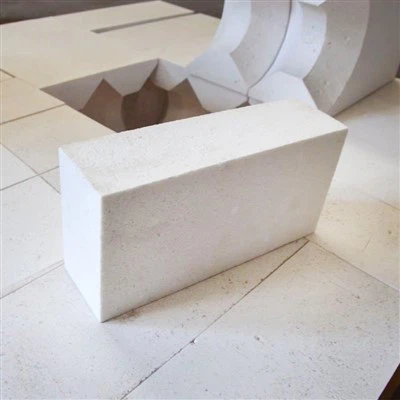
Let me start with the basics, because for all their importance, many in ceramics don’t fully grasp what fused cast refractories are, versus other refractory types like pressed or burned refractories. Unlike pressed refractories, which are formed by pressing dry raw materials into a shape and firing at high heat to bond them, fused cast refractories (FCRs) are made by melting raw materials—usually alumina, zirconia, and silica—at temperatures above 2,000°C, then casting the molten mass into molds where it solidifies into a dense, glass-ceramic structure. That fusion process isn’t just a fancy step; it eliminates the porous gaps that plague burned refractories, which are made of sintered particles that can absorb corrosive glaze, thermal shock, or mechanical stress over time. For ceramics, which often involve constant exposure to molten materials, rapid temperature swings, and abrasive flow, those gaps are a death sentence for production. Early in my career, I visited a small tableware plant that switched from burned alumina refractories to our fused cast AZS (alumina-zirconia-silica) product, and their kiln downtime dropped by 40% in the first year alone. That’s the kind of impact FCRs bring to a sector where even a 2-hour unplanned shutdown can cost thousands in lost batches, missed delivery deadlines, and raw material waste.
Now, let’s dive into the specific roles fused cast refractories play across different segments of the ceramic industry, because this isn’t a one-size-fits-all material. First, let’s talk about ceramic glazes and enamels production—this is where FCRs are non-negotiable. Glaze production requires mixing ground ceramic materials with water, colorants, and fluxes, then heating that slurry to 1,400–1,600°C in large melters. The molten glaze is highly corrosive, full of silica and alkali oxides that eat through standard refractory linings. Pressed refractories might last a few months here, but fused cast AZS, with its high zirconia content (up to 33% in our premium grade), resists that corrosive attack far longer. I’ve worked with a sanitaryware plant that was using a competitor’s pressed refractory and had to reline their glaze melter every 10 weeks; switching to our fused cast refractories extended the relining interval to over two years. That means less labor for maintenance, less downtime, and a more consistent glaze mix—critical for sanitaryware, where even a slight variation in glaze composition can lead to uneven finishes or rejects.
Next, think about technical ceramics, the fast-growing segment that includes components for electronics, aerospace, and medical devices. These ceramics demand extreme precision and purity; even a tiny amount of refractory contamination can ruin a batch of semiconductors or implantable ceramic parts. Fused cast refractories’ dense, non-porous structure means almost no leaching of impurities like iron or alkalis into the ceramic melt. I remember a client making alumina substrates for LED chips who switched to FCR liners and cut their reject rate from 12% to less than 1%. That’s a game-changer for technical ceramics, where each batch can cost tens of thousands of dollars, and regulatory standards require near-perfect purity. Unlike lower-grade refractories, which can shed micro-particles into the melt, FCRs’ uniform, glassy matrix holds every component in place, so there’s no cross-contamination.
Then there’s the big one: kilns for firing green ceramic bodies, from floor tiles to brick. Firing a tile kiln means cycling temperatures from room temperature up to 1,200°C and back down multiple times a week—thermal shock is a constant enemy. Standard refractories can crack or spall (chip off) with each temperature swing, allowing hot gases to penetrate and erode the kiln walls. Fused cast refractories have a low coefficient of thermal expansion, meaning they expand and contract evenly with temperature changes, so they resist spalling far better. We’ve supplied fused cast alumina refractories to a large floor tile plant that runs 24/7, 365 days a year; their kiln linings have lasted 10 years with only minor patching, compared to the 3–4 year lifespan of their previous burned refractories. For tile manufacturers, who operate on razor-thin margins, extending kiln lining life translates to lower capital costs, less frequent shutdowns, and higher overall output.
Wait, but it’s not just the lining itself—fused cast refractories are also used for structural components in ceramic plants, like troughs that carry molten glaze, nozzles that dispense glazes during spray coating, and even crucibles for small-batch specialty ceramic production. I once worked with a craft ceramics studio that makes high-end porcelain art pieces; they were using graphite crucibles that would contaminate their white porcelain with carbon, leading to gray tints. Switching to our fused cast high-purity alumina crucibles solved that problem overnight. The crucibles can withstand multiple heating cycles to 1,700°C without leaching, so their porcelain stays pure and bright. That’s a smaller use case, but it shows FCRs work across every part of the ceramic industry, from large-scale industrial production to artisanal specialty work.
Now, let’s address a common misconception I hear all the time: “Fused cast refractories are too expensive, so we can’t afford them.” It’s true, upfront, FCRs cost 2–3 times more than standard burned refractories. But here’s the math I always walk plant managers through: total cost of ownership, not just upfront price. Let’s go back to that glaze melter example I mentioned earlier. A competitor’s pressed refractory costs $5,000 per lining, needs to be replaced every 10 weeks, so annual cost is $5,000 x 5.2 replacements = $26,000. Our fused cast refractory costs $12,000 per lining, lasts 2 years, so annual cost is $12,000 / 2 = $6,000. That’s a 77% lower annual cost, plus the $20,000+ in lost downtime each time they replace the lining. It’s not that FCRs are expensive—it’s that cheaper refractories are a false economy. I’ve had clients come to me after years of dealing with constant relines, rejecting thousands of batches, and paying for emergency labor, and they all say the same thing: “I should have made the switch sooner.”
Another key point is sustainability, which is huge in manufacturing right now. The ceramic industry has long been looking for ways to reduce its environmental footprint, and fused cast refractories help with that too. Because they last so much longer, they generate way less refractory waste—tons and tons less every year. The tiles plant I mentioned earlier, when they used burned refractories, they sent 20 tons of used refractory to landfill annually; now, with FCRs, that number is less than 2 tons. Also, less downtime means less energy wasted heating and re-heating kilns, and more consistent production means less raw material waste from rejects. For a sector under pressure to reduce emissions and waste, FCRs aren’t just a performance choice—they’re a sustainability choice too.
Of course, fused cast refractories aren’t one-size-fits-all, which is where our work as a supplier comes in. We don’t just sell a standard product; we work with each client to tailor the right FCR grade for their specific application. If you’re running a glaze melter, we’d recommend our AZS 33 grade, which balances corrosion resistance and thermal stability. If you’re firing technical ceramics with high purity requirements, our high-purity fused alumina (99.8% Al2O3) is the right fit. If you need crucibles for high-temperature specialty production, we can even supply custom-shaped fused cast refractories, not just standard blocks. I’ve had clients come to us with a unique problem—say, a kiln wall with an irregular shape that’s hard to line with standard refractories—and we cast a custom fused cast piece that fits perfectly, extending the lining’s life even more. That’s the value a good supplier brings: not just a product, but expertise.
Let me share a recent example to put this all in perspective. Last year, a mid-sized ceramic plant specializing in electronic components reached out to me, frustrated because their ceramic wafer production had a 15% reject rate due to refractory contamination in their sintering furnaces. They were using a standard burned alumina lining, which was shedding iron particles into their high-purity alumina wafers. We tested a small sample of our high-purity fused cast alumina lining in one of their furnaces, and after 6 months, the reject rate dropped to 2%. Not only that, their furnace downtime for relining went from every 6 months to every 3 years, and they saved over $180,000 annually in lost batches and maintenance costs. That’s the kind of tangible impact FCRs have on the ceramic industry every single day.
So why does this matter, beyond just numbers? The ceramic industry is a $400 billion global sector, and it’s only growing as demand for everything from electric vehicle battery ceramics to medical implants and smart phone components rises. Every one of those products relies on a stable, contaminant-free production environment, and fused cast refractories are the foundation that makes that possible. Without them, plants would face constant downtime, higher reject rates, and rising costs that would eventually get passed to consumers. As a supplier, my job isn’t just to sell refractory blocks—it’s to help ceramic producers run more efficiently, reduce waste, and stay competitive in a fast-changing market.

If you’re a ceramic plant manager, production engineer, or operations lead, and you’re dealing with kiln downtime, high reject rates, or rising maintenance costs, I invite you to connect with us. We can work with you to audit your current refractory setup, identify where fused cast refractories can make the biggest impact, and provide a custom solution tailored to your specific needs. Don’t let your production be held back by outdated, low-performance refractories—make the switch to a material that’s built to last, reduce costs, and elevate your output.
Monolithic Refractories References
- Schneider, H., & Jantzen, C. (2009). Refractories for Industrial Kilns: Performance and Applications. Journal of the European Ceramic Society, 29(15), 3105–3118.
- Lee, W. E., & Moore, R. E. (1998). Refractories: Their Structure, Properties, and Performance. Springer-Verlag.
- Industrial Minerals Association. (2022). Global Refractory Market Report: Trends in High-Performance Materials for Manufacturing.
- Zhang, Y., et al. (2021). Corrosion Resistance of Fused Cast AZS Refractories in Ceramic Glaze Melters. Journal of the American Ceramic Society, 104(8), 3721–3732.
- Ceramic Industry Magazine. (2023). Sustainability in Manufacturing: The Role of High-Life Refractories in Reducing Waste.
Zhengzhou Dezhong Corundum Materials Co., Ltd.
We are one of the most professional fused cast refractory manufacturers and suppliers in China, specialized in providing high quality customized service for global clients. We warmly welcome you to buy high-grade fused cast refractory made in China here from our factory.
Address: Yuhuangmiao Village, Goutang Town, Xinmi City, Henan Province
E-mail: 443131771@qq.com
WebSite: https://www.dzrefactory.com/
