Hey everyone, let’s cut to the chase—if you’ve ever run your hand over that super soft, velvety stuff on a movie theater seat, a fancy phone case, or even a decorative ribbon that feels like silk but doesn’t slide around, odds are you’ve touched flock fabric. But what actually is it, beyond that “oh that’s nice” feeling? As a flock fabric supplier who’s been in this game for way longer than I care to admit, I get asked this question all the time, and yeah, it’s way more than just fuzzy fabric. Let’s break it down without the stuffy textbook jargon, alright? Flock Fabric
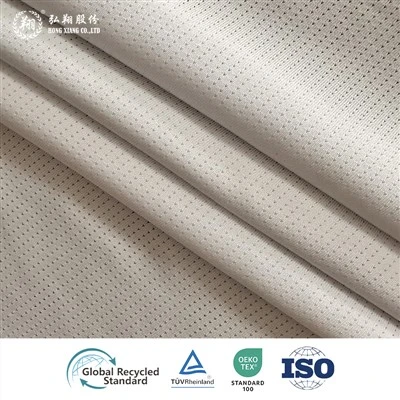
First, let’s start with the basics, no fluff (pun totally intended). Flock fabric isn’t a type of fiber—like polyester or cotton—it’s a finishing process. Think of it like this: you have a base fabric (could be anything—nylon, cotton, even a stretchy spandex blend depending on what you need) that gets coated with an adhesive, and then you shoot millions of tiny fiber “flocks” straight at it, electric-charged so they stand up straight instead of lying flat. That’s why it’s so soft and consistent, not all messy and fuzzy like a old sweater you washed too many times. Those flocks are usually super short—like 0.5 to 2 millimeters long, usually made of nylon, rayon, or sometimes polyester, depending on the final look someone wants.
Wait, let’s clear up a common mix-up: flock vs. suede. A lot of people call flock fabric “artificial suede,” but they’re not the same. Suede is a natural leather with a brushed surface, while flock is a man-made finish. I’ve had clients come to me thinking they need suede for a clothing line, but when I show them flock, they’re blown away by how much softer it is, and that it’s way easier to custom dye to match their brand colors. Flock also doesn’t stretch or wear out the way thin suede can, which is why it’s perfect for things that get daily use, like those theater seats I mentioned earlier—those get sat on hundreds of times a week, and the flock stays intact way longer than the alternative.
Now, let’s talk about how we make it here, because that’s where a lot of the quality comes in. We don’t do the cheap spray-and-pray method that some suppliers use (you know, the ones where after a few washes, the fluff falls off). Our process is electrostatic flocking, which is the real deal. Here’s how it works in plain terms: the base fabric is first treated with a heat-resistant adhesive, usually acrylic or polyurethane, depending on the application. Then, we put the fabric between two electrodes—one above, one below—so the whole thing has a positive charge. The flocks we use are negatively charged, so they get pulled straight down onto the adhesive, standing perfectly upright. Then we bake it to set the adhesive, brush off any loose flocks, and that’s it. The result is that uniform, velvety surface you feel. No clumps, no patchy spots, just consistent softness every time. That’s why a lot of big brands come back to us—they know our flock doesn’t crack, doesn’t fade, and holds up to whatever they throw at it.
What’s flock fabric used for, anyway? Let’s run through some common stuff you might not even realize uses it. First, consumer goods: phone cases, yes—those matte, grippy ones that don’t slip out of your hand? Flock. Footwear, like the inside lining of those nice leather boots that doesn’t rub your ankle raw? Flock. Clothing, especially for things like dance costumes or athletic wear that need a little stretch and a soft feel against skin—we’ve had a lot of activewear brands reach out for custom colored flock for their leggings, because it’s way softer than regular spandex. Then there’s industrial stuff, too: we make flock fabric for auto interior trim, like the door panels and center console of your car, because it reduces glare (no more squinting at your GPS in the sun) and absorbs a little noise. Even hobby stuff, like model train scenery—people flock their train layouts to make realistic grass or foliage.
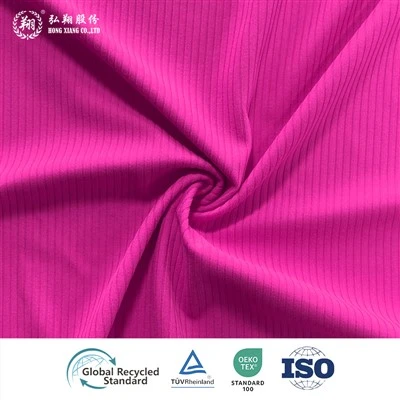
One thing I love about flock is how customizable it is, which is why we work with such a wide range of clients. Need it shiny? We can add a metallic flock that catches the light just right for a holiday decoration. Need it matte? We use low-luster flocks that don’t reflect at all, perfect for camera equipment cases so there’s no glare on your lens. Want it stretchy for a fitted product? We use a spandex base fabric that moves with it. Need it flame-retardant? We treat the flocks during processing so it meets safety standards for furniture or public spaces like movie theaters. I’ve had a startup craft brand come to us last year wanting a neon pink flock for their keychains—something that wasn’t too slippery, stood out on their website, and didn’t cost a fortune for small runs. We hooked them up, and now they’re one of our regulars. That’s the cool part, right? Flock isn’t just for big companies—we work with small businesses too, no minimum order too low (within reason, of course).
Now, let’s address the elephant in the room: is flock fabric good quality, or is it just that fuzzy stuff that falls off? A lot of the bad flock you might have encountered is from cheap manufacturing where they skip the electrostatic step and just apply flocks with a spray glue. That’s why it’s so inconsistent, and why it falls off after a few uses. Our electrostatic process means the flocks are embedded way deeper into the adhesive, so they stay put. We test every batch we make—we wash it multiple times, rub it with a wire brush (the same kind of thing that would scratch a seat), even expose it to UV light to make sure it doesn’t fade. I’ve had clients tell me their flock phone case they’ve had for two years still feels as soft as the day they bought it, and that’s exactly what we’re going for.
Another common question: is flock fabric hard to clean? It’s actually way easier than people think, as long as you do it right. Since the flocks are standing upright, you can just pat it with a dry cloth or a soft brush to get dust off. If you spill something on it, don’t rub—blot it gently with a damp cloth and mild soap, then let it air dry. Avoid harsh chemicals or bleach, obviously, because that can break down the adhesive or dye the flocks. I spilled coffee on a flock jacket I have myself a few months back, and a quick blot fixed it—no stains, no fuzz coming off.
Wait, let’s get back to being a supplier for a second, because that’s why I’m here. A lot of new businesses or designers might not even know flock is an option for their product. I’ve had someone come in designing a line of pet beds and they were using regular cotton, but when we showed them flock, they realized it’s way softer for pets to lie on, and it repels hair a little better than regular fabric so it’s easier to clean. For automotive clients, flock is a big upgrade from the hard plastic panels that scratch your keys if you set them on the center console—flock is soft, so you don’t have to worry about that.
What about the environmental side? I know a lot of people care about that these days, so I want to be transparent. Our flocks are mostly made from recycled polyester these days, and the base fabrics are recyclable too. We also have a low-VOC adhesive option for clients who are making products that go against skin, like clothing or baby items. The old myth that flock is bad for the environment is just that— a myth—if you go with a supplier who uses sustainable materials and processes. We’re always working to cut down on waste too—any offcuts from manufacturing get recycled into new flocks, so we don’t just throw them away. That’s a big deal for us.
Let me wrap this up so it’s not a wall of text. Flock fabric is a finished surface, not a fiber, made by electrostatically embedding tiny fibers into an adhesive-coated base fabric. It’s super soft, customizable, durable, and used everywhere from phone cases to car interiors to dance costumes. The key difference between good flock and the cheap stuff is the electrostatic process and quality materials—something we prioritize here, no cutting corners.
If you’re a designer, brand owner, or even someone just curious about using flock for a new project, hit me up to chat. We can send you free samples, walk through custom dye options, or help you figure out if flock is the right fit for your product. No pushy sales stuff, just honest answers to whatever questions you have.
Printed Knitted Fabric References:
- Textile Institute. (2022). Finishing Processes for Technical Textiles: Flocking Applications.
- Automotive Aftermarket Manufacturers Association. (2021). Material Standards for Interior Trim Components.
- US Consumer Product Safety Commission. (2020). Flocked Fabric Safety Guidelines for Consumer Goods.
Zhejiang Hongxiang Textile Technology Co., Ltd.
Address: No. 8, 12th Road, Warp Weaving Park, Maqiao Street, Haining City, Jiaxing City, Zhejiang Province
E-mail: gd@hongxiang888.cn
WebSite: https://www.h-xiang.com/
