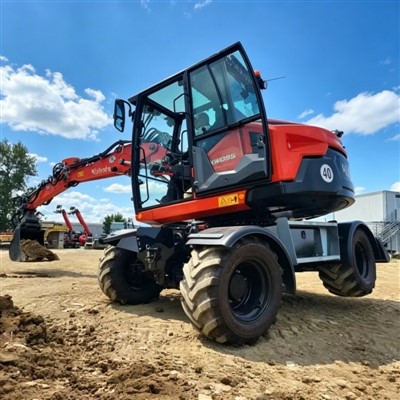
As a supplier of wheeled excavators, I’ve had countless conversations with customers about the machines itself, but one topic that often gets overlooked is the legal regulations governing their operation. Navigating the legal landscape is crucial for anyone looking to use these powerful machines effectively and safely. In this blog post, I will delve into the essential legal regulations for operating a wheeled excavator, providing you with the knowledge you need to stay compliant and make informed decisions. Wheeled Excavator
Licensing and Certification
The first and perhaps most fundamental aspect of legal operation is obtaining the proper licensing and certification. In most countries and regions, a special license is required to operate a wheeled excavator. This is because these machines are considered heavy equipment and pose significant risks if not operated correctly.
The process of obtaining a license typically involves a combination of theoretical and practical training. The theoretical part covers topics such as machine operation principles, safety procedures, and relevant laws and regulations. Practical training, on the other hand, allows the operator to gain hands – on experience in operating the wheeled excavator under the supervision of a qualified instructor.
For example, in the United States, the Occupational Safety and Health Administration (OSHA) sets standards for heavy equipment operation. Operators of wheeled excavators often need to pass an OSHA – compliant training program to be considered competent. This training not only ensures that the operator knows how to use the machine safely but also helps protect the employer from potential legal liability in case of an accident.
Some regions may also require additional certifications. For instance, if the wheeled excavator is to be used on public roads, the operator may need a specific class of driving license in addition to the heavy equipment operation license. This is because wheeled excavators on public roads are subject to traffic laws similar to other motor vehicles.
Safety Regulations
Safety is at the forefront of the legal regulations for operating a wheeled excavator. These regulations are designed to protect the operator, bystanders, and the environment.
Machine Inspections
Before each use, a thorough pre – operation inspection of the wheeled excavator is mandatory. This inspection includes checking the engine, hydraulic systems, brakes, tires, and all other critical components. Any signs of wear, damage, or malfunction should be addressed immediately. For example, if a hydraulic hose is leaking, it must be replaced before the machine can be operated. Failure to conduct proper inspections can lead to serious accidents and hefty fines.
Safety Equipment
The wheeled excavator must be equipped with the necessary safety features. This includes a ROPS (Roll – Over Protective Structure) and a FOPS (Falling Object Protective Structure). The ROPS is designed to protect the operator in case the machine overturns, while the FOPS shields the operator from falling debris. Other safety equipment such as seat belts, warning lights, and audible alarms should also be in good working condition.
Workplace Safety
When operating a wheeled excavator, the workplace must adhere to safety standards. This means having proper signage to warn workers and bystanders of the operating heavy equipment. The work area should be clear of any obstacles, and measures should be taken to prevent unauthorized access. For example, if the excavation is taking place near a public area, barriers should be set up to keep people at a safe distance.
Environmental Regulations
Wheeled excavators, like all heavy equipment, can have an impact on the environment. Therefore, there are strict environmental regulations that operators must follow.
Emissions Standards
Most countries have set emissions standards for heavy equipment, including wheeled excavators. These standards limit the amount of pollutants such as particulate matter, nitrogen oxides, and carbon monoxide that the machine can emit. To comply with these standards, wheeled excavator manufacturers are constantly developing cleaner – burning engines and emission control technologies. As a supplier, we ensure that all our wheeled excavators meet or exceed the relevant emissions standards in the markets we serve.
Waste Management
During excavation work, there may be various types of waste generated, such as soil, rocks, and construction debris. Proper waste management is essential. Operators must follow local regulations regarding the disposal of this waste. This may involve transporting the waste to authorized landfills or recycling facilities. In some cases, large and valuable materials may need to be salvaged and reused instead of being discarded.
Transport Regulations
If you need to transport a wheeled excavator from one location to another, there are also legal regulations to consider.
Load Securement
When loading the wheeled excavator onto a trailer, it must be properly secured. This includes using appropriate straps, chains, and locking mechanisms to prevent the machine from shifting during transit. The weight distribution on the trailer also needs to be carefully balanced to ensure safe and stable transportation.
Permits
In some cases, a special permit may be required to transport a wheeled excavator, especially if it exceeds certain size or weight limits. These limits vary by region, and it’s the responsibility of the transporter to obtain the necessary permits. Failure to do so can result in fines and delays.
Operator Training and Competency
As a supplier, I cannot stress enough the importance of ongoing operator training and competency assessment. Legal regulations often require employers to ensure that their operators are well – trained and competent to handle the wheeled excavator.
Regular training programs should be conducted to keep operators up – to – date with the latest safety procedures, machine features, and regulations. These programs can cover topics such as new attachments, improved operating techniques, and changes in environmental laws. Additionally, operators should be periodically assessed to ensure that their skills and knowledge are still up to par.
Insurance Requirements
Insurance is another crucial aspect of legal operation. Adequate insurance coverage protects the operator, the owner of the wheeled excavator, and third parties in case of an accident.
Liability insurance is a must – have. It covers damages to property and injuries to people caused by the operation of the wheeled excavator. Property insurance, on the other hand, protects the machine itself from damage or theft. Some regions may also require additional types of insurance, such as environmental liability insurance to cover potential environmental damage caused by the excavation work.
Conclusion
Operating a wheeled excavator comes with a wide range of legal regulations. From licensing and safety to environmental and transport requirements, it’s essential to understand and comply with these regulations to avoid legal issues and ensure the safe and efficient operation of the machine.
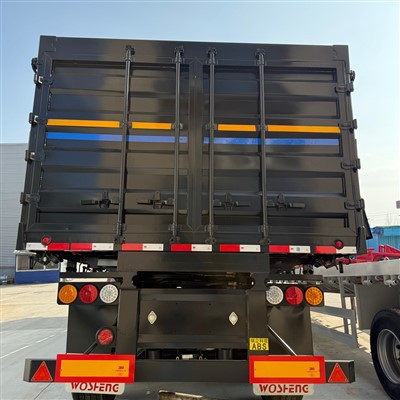
Low-bed Semi Trailer As a trusted wheeled excavator supplier, I am committed to providing not only high – quality machines but also the necessary information and support to help our customers navigate the legal complexities. If you are in the market for a wheeled excavator or have any questions about the legal regulations for operating one, I encourage you to reach out to us for a detailed discussion. We can work together to ensure that you have the right machine and the knowledge to operate it within the bounds of the law.
References
- Occupational Safety and Health Administration (OSHA). Standards for heavy equipment operation.
- Local traffic laws and regulations regarding the operation of heavy equipment on public roads.
- Emissions standards set by national and regional environmental protection agencies.
- Local waste management and disposal regulations.
Shandong Xinyang Special Purpose Vehicle Manufacturing Co., Ltd.
As one of the most professional wheeled excavator manufacturers and suppliers in China, we’re featured by quality products and good price. Please rest assured to buy cheap wheeled excavator made in China here from our factory. Contact us for more details.
Address: Quanpu Industrial Park, Liangshan County, Jining City, Shandong Province.
E-mail: ensonzhouau@gmail.com
WebSite: https://www.trustmytruck.com/
