Hey there! I’m a supplier of oleic acid derivatives, and I’m super stoked to chat with you about the solubility of these cool compounds in non-polar solvents. It’s a topic that might seem a bit technical, but trust me, it’s pretty fascinating once you dig in. Oleic Acid Derivatives
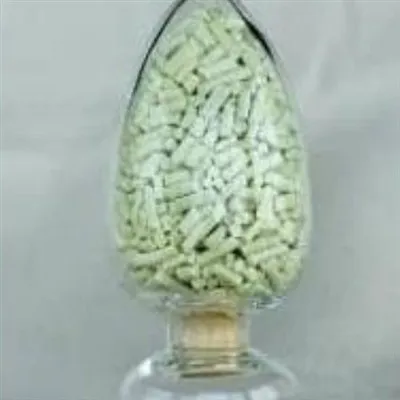
First off, let’s quickly go over what oleic acid derivatives are. Oleic acid is a monounsaturated omega-9 fatty acid that’s found in lots of natural sources like olive oil, sunflower oil, and animal fats. Derivatives of oleic acid are basically compounds that are made by modifying oleic acid in some way. You can do this by adding different functional groups, changing the double bond location, or doing chemical reactions to create new molecules with unique properties.
Now, why are we interested in their solubility in non-polar solvents? Well, it’s all about understanding how these derivatives can be used in different applications. Non-polar solvents are substances that don’t have a significant positive or negative charge distribution. Think of things like hexane, toluene, and chloroform. These solvents are great for dissolving non-polar or slightly polar substances. And oleic acid derivatives, with their long hydrocarbon chains, often have some non-polar character, which means they can dissolve to some extent in these non-polar solvents.
One of the main factors that affect the solubility of oleic acid derivatives in non-polar solvents is the structure of the derivative itself. For example, if a derivative has a long, straight hydrocarbon chain, it’s likely to be more soluble in non-polar solvents. The long chain interacts well with the non-polar solvent molecules through van der Waals forces. These are weak forces that occur between molecules due to temporary dipoles. The more non-polar the molecule is overall, the stronger these van der Waals interactions will be, and the better the solubility.
Let’s take a look at some common oleic acid derivatives and their solubility in non-polar solvents.
Oleic Acid Esters
Esters are one of the most common types of oleic acid derivatives. They’re formed when oleic acid reacts with an alcohol in the presence of an acid catalyst. The solubility of oleic acid esters in non-polar solvents can vary depending on the length of the alcohol chain used to make the ester.
If the alcohol chain is short, say methanol or ethanol, the resulting oleic acid methyl or ethyl ester will have some polar character due to the presence of the ester group. However, the long hydrocarbon chain of the oleic acid part still gives it some non-polar properties. These esters are usually quite soluble in non-polar solvents like hexane. In fact, hexane is often used as a solvent in the extraction and purification of oleic acid esters.
On the other hand, if a long-chain alcohol is used to make the ester, the solubility in non-polar solvents can be even better. The additional non-polar carbon atoms in the long alcohol chain increase the overall non-polar character of the ester molecule, making it more compatible with non-polar solvents. This is why some high-molecular-weight oleic acid esters are excellent choices for applications where good solubility in non-polar solvents is required, such as in lubricants or coatings.
Oleic Acid Amides
Amides are another type of oleic acid derivative. They’re formed when oleic acid reacts with an amine. Amides have a polar carbonyl group and a nitrogen atom with a lone pair of electrons, which can form hydrogen bonds. However, the long hydrocarbon chain of the oleic acid part still plays a big role in their solubility in non-polar solvents.
In general, oleic acid amides with relatively short amines have some solubility in non-polar solvents, but not as high as esters with similar chain lengths. The polar amide group reduces the overall non-polar character of the molecule. But as the length of the amine chain increases, the non-polar character of the amide also increases, and so does its solubility in non-polar solvents.
Oleic acid amides are often used in industries like cosmetics and personal care. Their solubility in non-polar solvents allows them to be easily incorporated into formulations that use non-polar oils or solvents. This makes them versatile ingredients for things like moisturizers, lip balms, and hair care products.
Oleic Acid Salts
Salts of oleic acid are formed when oleic acid reacts with a base. These salts have an ionic part (the carboxylate anion) and a non-polar hydrocarbon chain. You might think that the ionic part would make them insoluble in non-polar solvents, and you’re partly right.
In pure non-polar solvents, oleic acid salts usually have very low solubility. The ionic part has a strong attraction to other ions through electrostatic forces, and non-polar solvents can’t effectively solvate these ions. However, if the solvent has some slight polar character, or if the salt is in the presence of other surfactants or co-solvents, the solubility can increase.
For example, some oleic acid salts can be solubilized in non-polar solvents when a small amount of alcohol or a polar organic compound is added. This forms a sort of mixed solvent system where the polar component helps to interact with the ionic part of the salt, while the non-polar component provides a medium for the non-polar hydrocarbon chain. Oleic acid salts are used in many industries, including detergents and emulsifiers, and understanding their solubility behavior in different solvents is crucial for formulating effective products.
Applications Based on Solubility
The solubility of oleic acid derivatives in non-polar solvents has a big impact on their applications.
In the lubricant industry, oleic acid esters with high solubility in non-polar solvents are used as base oils. Non-polar solvents can be used to dissolve and disperse other additives like antioxidants, anti-wear agents, and viscosity modifiers. The good solubility ensures that these additives are evenly distributed throughout the lubricant, which is essential for maintaining its performance.
In the paint and coating industry, oleic acid derivatives are used as binders, solvents, and additives. Their solubility in non-polar solvents allows them to be compatible with other non-polar components in the paint formulation. This helps to improve the flow, leveling, and drying properties of the paint.
In the pharmaceutical industry, oleic acid derivatives are sometimes used as drug carriers. Non-polar solvents can be used to dissolve both the oleic acid derivative and the hydrophobic drug. The solubility of the derivative in the non-polar solvent is important for ensuring that the drug is properly encapsulated and delivered to the target site in the body.
Determining Solubility
If you’re working with oleic acid derivatives or thinking about using them in an application, you’ll probably want to know how to determine their solubility in non-polar solvents.
One common method is the shake-flask method. You take a known amount of the oleic acid derivative and add it to a known volume of the non-polar solvent in a flask. Then you shake the flask vigorously for a certain period of time to ensure that the derivative has a chance to dissolve. After that, you let the mixture sit for a while to allow any undissolved solid to settle. Then you can take a sample of the supernatant (the clear liquid on top) and analyze it to determine the concentration of the dissolved derivative.
Another method is the use of cloud point measurements. You start by preparing a solution of the oleic acid derivative in the non-polar solvent at a certain temperature. Then you slowly lower the temperature of the solution. At some point, the solution will start to become cloudy as the derivative begins to come out of solution. The temperature at which this happens is called the cloud point. A lower cloud point usually indicates better solubility of the derivative in the solvent.
Conclusion
So, there you have it – a rundown of the solubility of oleic acid derivatives in non-polar solvents. As you can see, the structure of the derivative plays a huge role in determining its solubility. Understanding this relationship is crucial for choosing the right oleic acid derivative for your specific application.
Whether you’re in the lubricant, paint, pharmaceutical, or any other industry that uses these derivatives, having a good grasp of their solubility properties can help you formulate better products. And that’s where I come in! As a supplier of high-quality oleic acid derivatives, I can provide you with the products you need and the technical support to ensure you’re using them effectively.
Esters If you’re interested in learning more about our oleic acid derivatives or want to discuss a potential purchase, don’t hesitate to reach out. Let’s start a conversation and see how we can work together to meet your needs.
References
- Smith, J. D. (2018). Chemistry of Fatty Acid Derivatives. Elsevier.
- Jones, A. B. (2019). Solubility in Organic Chemistry: A Practical Guide. Wiley.
- Green, C. E. (2020). Applications of Oleic Acid Derivatives in Industry. Springer.
Bitop Bihope Qingdao Mining Co., Ltd
Bitop Bihope Qingdao Mining Co., Ltd. is one of the most professional oleic acid derivatives manufacturers and suppliers in China, featured by quality products and low price. Please rest assured to buy discount oleic acid derivatives in stock here and get quotation from our factory. Customized orders are welcome.
Address: Room 410, 4th Floor, Shengquan Business Building, No. 263 Yitong Road, Huangdao District, Qingdao City, Shandong Province, China
E-mail: btbhmining@163.com
WebSite: https://www.btbhmining.com/
