Hey there, fellow automotive enthusiasts! I’m a supplier in the automotive castings game, and today I wanna chat about the super cool applications of automotive castings in valve train systems. Automotive Castings

Let’s start with the basics. The valve train system in an engine is like the heart’s rhythm – it controls the intake of air – fuel mixture and the exhaust of burnt gases. And automotive castings play a crucial role here.
One of the key components where castings are used is the camshaft. The camshaft is responsible for opening and closing the valves at the right time. It’s a pretty complex part, and casting is a great way to make it. You see, casting allows us to create the intricate shapes of the cam lobes with high precision. These lobes have to have very specific profiles to ensure the valves open and close smoothly and at the exact right intervals. We use different casting materials for camshafts, like cast iron. Cast iron is tough and has good wear – resistance, which is super important because the camshaft is constantly in contact with other moving parts. It can handle the high – stress environment inside the engine without wearing out too quickly.
Another important application is in the valve covers. Valve covers are like the protective hats for the valve train. They keep dirt, oil, and other contaminants out of the valve area. Casting is a cost – effective way to make valve covers. We can cast them in different shapes and sizes to fit various engine designs. Aluminum is a popular material for valve covers. It’s lightweight, which helps in improving the overall fuel efficiency of the vehicle. And with casting, we can add some cool features like ribs for extra strength without adding too much weight.
The rocker arms are also made using automotive castings. Rocker arms transfer the motion from the camshaft to the valves. They need to be strong and rigid enough to handle the forces involved in opening and closing the valves. Casting rocker arms allows us to incorporate features such as pivot points and attachment points for other components. We can use materials like cast steel for rocker arms. Cast steel has high strength and can withstand the high – energy impacts that occur during the engine’s operation.
Now, let’s talk about the pushrods. Pushrods are used in some valve train systems to transfer the motion from the camshaft (usually located in the engine block) to the rocker arms. Casting pushrods gives us the ability to make them in a variety of lengths and diameters. This flexibility is important because different engines have different requirements. For pushrods, we often use ductile iron. Ductile iron has a good combination of strength and ductility, which means it can bend a little without breaking, making it suitable for the dynamic environment of the valve train.
One of the great things about using castings in valve train systems is the ability to customize. Every engine manufacturer has their own specific requirements, and casting allows us to meet those needs. We can adjust the design, material, and manufacturing process to create parts that are tailored to a particular engine. For example, if an engine needs a camshaft with a more aggressive cam profile for better performance, we can design and cast it accordingly.
In terms of cost – effectiveness, automotive castings really shine in valve train applications. The casting process can produce large quantities of parts with relatively low per – unit cost. Once the molds are made, we can mass – produce camshafts, valve covers, rocker arms, and pushrods at a reasonable price. This is great for both engine manufacturers and consumers. Engine manufacturers can keep their production costs down, which can potentially lead to more affordable vehicles for consumers.
But it’s not just about cost and performance. Castings also offer good durability. The valve train is a high – stress area of the engine, and the parts need to last a long time. The materials used in casting, like cast iron and steel, are known for their durability. They can withstand the high temperatures, pressures, and mechanical stresses inside the engine for thousands of miles of driving.
Now, I know some of you might be thinking about the environmental impact. Well, the good news is that many of the materials used in automotive castings, like iron and aluminum, are recyclable. When an engine reaches the end of its life, the cast parts can be melted down and reused to make new components. This helps in reducing the overall environmental footprint of the automotive industry.
If you’re an engine manufacturer or someone involved in the automotive supply chain, and you’re looking for high – quality automotive castings for your valve train systems, I’d love to have a chat with you. We’ve got the expertise and the facilities to produce top – notch cast parts that meet your specific requirements. Whether you need custom – designed camshafts, lightweight valve covers, or strong rocker arms, we can make it happen.
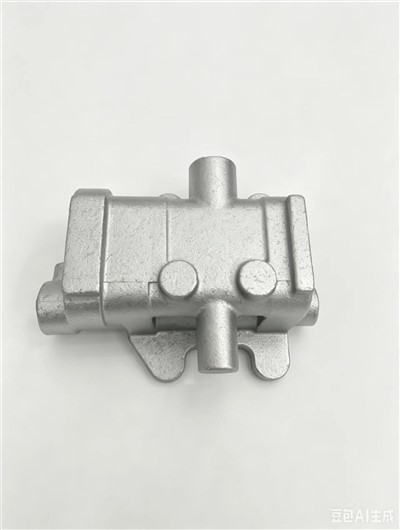
Don’t hesitate to reach out to us to discuss your needs and start a partnership that will drive your business forward.
Bushing References:
- Automotive Engineering Handbook, various editions
- Casting Technology for Automotive Components, industry – specific publications
- Research papers on valve train system design and materials
Qingzhou Shengchen Machinery Technology Co., Ltd.
As one of the leading automotive castings manufacturers and suppliers in China, we warmly welcome you to buy discount automotive castings for sale here and get free sample from our factory. If you have any enquiry about customized service, please feel free to email us.
Address: Industrial Park, Mihe Town, Qingzhou City, Weifang, Shandong Province
E-mail: gjywb@qzsckj.cn
WebSite: https://www.sc-casting.com/
