Can I use a bolt as an anchor? That’s a question I get asked a lot, being a supplier of bolts and screws. And the answer isn’t as straightforward as you might think. Bolts and Screws
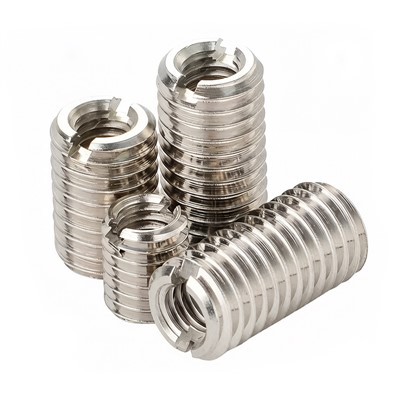
Let’s start with the basics. A bolt is a type of fastener, typically made of metal, that has a threaded shaft and a head. It’s used to hold two or more objects together, usually by passing through holes in the objects and being secured with a nut. An anchor, on the other hand, is a device that’s used to provide a secure attachment point in a material, like concrete, brick, or drywall. It’s designed to resist pulling forces and keep whatever is attached to it in place.
So, can you use a bolt as an anchor? Well, it depends. In some cases, a bolt can work as an anchor, but it’s not always the best choice.
When a Bolt Can Be Used as an Anchor
There are situations where using a bolt as an anchor can be a viable option. For example, if you’re working with a thick piece of wood and you need to attach something to it, you can drill a hole in the wood, insert a bolt, and secure it with a nut. The threads of the bolt will grip the wood, providing a relatively secure attachment point.
Similarly, in metal-to-metal applications, a bolt can be used effectively as an anchor. If you’re joining two pieces of metal, you can drill holes in both pieces, align them, and then insert a bolt and tighten the nut. The friction between the bolt and the metal, along with the clamping force of the nut, will hold the two pieces together firmly.
Another scenario where a bolt can act as an anchor is in a pre-threaded hole. Some materials, like certain types of plastic or metal, come with pre-threaded holes. In these cases, you can simply insert a bolt into the hole and tighten it. The threads of the bolt will engage with the pre-threaded hole, creating a secure connection.
Limitations of Using a Bolt as an Anchor
However, there are also many situations where using a bolt as an anchor is not a good idea. One of the main limitations is the material you’re working with. If you’re trying to anchor something in a brittle material like concrete or brick, a regular bolt might not provide enough grip. Concrete and brick are porous and can crack under stress. When you try to tighten a bolt in these materials, there’s a risk of the material cracking around the hole, which can cause the anchor to fail.
In addition, bolts are not designed to expand or adapt to the material around them. Anchors, on the other hand, are often designed with features like expansion sleeves or gripping mechanisms that help them hold more securely in different types of materials. For example, a concrete anchor is designed to expand when the bolt is tightened, creating a tight fit in the concrete hole. A regular bolt doesn’t have this ability to expand, so it may not provide the same level of security.
Another limitation is the load capacity. Bolts are typically designed for clamping force, not for resisting large pulling or shear forces. If you’re trying to anchor something heavy or something that will be subject to a lot of movement or stress, a bolt may not be strong enough. Anchors are designed to handle these types of loads and are often rated for specific weight capacities.
Alternatives to Using a Bolt as an Anchor
If you’re in a situation where a bolt isn’t the best choice as an anchor, there are several alternatives available.
Concrete Anchors: As I mentioned earlier, concrete anchors are specifically designed for use in concrete, brick, and other masonry materials. There are different types of concrete anchors, such as wedge anchors, sleeve anchors, and drop-in anchors. Each type has its own advantages and is suitable for different applications.
Drywall Anchors: If you’re working with drywall, there are special anchors available. Drywall is a relatively soft and brittle material, so regular bolts won’t hold well. Drywall anchors come in various forms, like plastic expansion anchors, toggle bolts, and molly bolts. These anchors are designed to distribute the load over a larger area of the drywall, preventing the drywall from tearing.
Screw Anchors: Screw anchors are a good option for use in wood, plastic, and other materials. They’re similar to bolts in that they have threads, but they’re often designed to be easier to install. Some screw anchors have self-drilling tips, which means you don’t need to pre-drill a hole.
Tips for Using Bolts as Anchors
If you do decide to use a bolt as an anchor, here are some tips to make sure it works as effectively as possible.
- Choose the Right Bolt: Make sure the bolt is the right size and strength for the job. Consider the diameter, length, and material of the bolt. A thicker and longer bolt will generally be stronger, but you also need to make sure it fits the hole you’re drilling.
- Drill the Right Hole: The hole you drill should be the right size for the bolt. If the hole is too small, you may damage the material when you try to insert the bolt. If the hole is too large, the bolt won’t grip properly.
- Use a Washer and Nut: Using a washer under the nut can help distribute the load and prevent the nut from digging into the material. Make sure the nut is tightened properly, but don’t over-tighten it, as this can also damage the material.
Conclusion
So, to answer the question, "Can I use a bolt as an anchor?" The answer is yes, but with some limitations. In certain situations, a bolt can work as an anchor, but in many cases, it’s better to use a dedicated anchor. As a supplier of bolts and screws, I always recommend choosing the right fastener for the job. If you’re not sure which type of fastener to use, don’t hesitate to reach out. We have a team of experts who can help you make the right choice. Whether you need a bolt for a simple woodworking project or a high-strength anchor for a heavy-duty construction job, we’ve got you covered. Contact us to discuss your procurement needs and let’s find the perfect solution for your next project.
Nut References
- Salmon, C. G., & Johnson, J. E. (1996). Steel Structures: Design and Behavior. HarperCollins College Publishers.
- AISC. (2017). Specification for Structural Steel Buildings. American Institute of Steel Construction.
- Simpson Strong-Tie. (2019). Anchorage Design Guide. Simpson Strong-Tie Company.
Shanghai Megood Metal Products Co., Ltd.
As one of the most experienced bolts and screws manufacturers and suppliers in China, we have world-leading production equipment and strong manufacturing capabilities. Please rest assured to wholesale bulk bolts and screws made in China here and get quotation from our factory. Customized orders are welcome.
Address: Building 8, No. 1500 Huiren Road, Waigang Town, Jiading District, Shanghai
E-mail: liujingshco@163.com
WebSite: https://www.mgx-hardware.com/
