Hey there! As a supplier of thread milling cutters, I’ve seen firsthand how these nifty tools handle interrupted cuts. It’s a topic that comes up a lot in the machining world, and I’m stoked to share my insights with you. Thread Milling Cutter
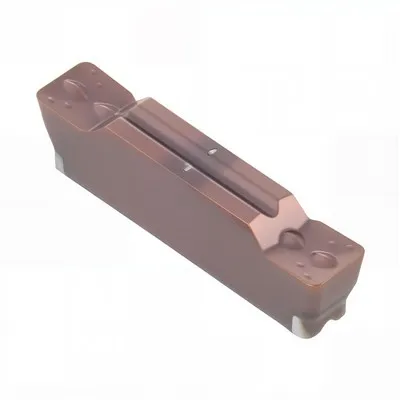
First off, let’s talk about what interrupted cuts are. In machining, an interrupted cut happens when the cutting tool encounters gaps, holes, keyways, or other irregularities in the workpiece. This can cause a whole bunch of issues, like vibrations, tool wear, and poor surface finish. But don’t worry, thread milling cutters are designed to tackle these challenges head – on.
One of the key features that helps thread milling cutters handle interrupted cuts is their geometry. The teeth on a thread milling cutter are carefully designed to distribute the cutting forces evenly. When the cutter hits an interruption, the forces don’t suddenly spike because the teeth are shaped in a way that allows them to enter and exit the cut smoothly. For example, many thread milling cutters have a helical flute design. This helical shape helps to reduce the impact when the cutter engages with the workpiece, especially during interrupted cuts. It’s like a gentle nudge instead of a hard whack.
Another important aspect is the material of the thread milling cutter. High – speed steel (HSS) and carbide are two common materials used. Carbide is my personal favorite for interrupted cuts. It’s super hard and wear – resistant. When the cutter goes through an interruption, the carbide can withstand the sudden changes in stress without chipping or breaking easily. HSS is also a good option, but it might not hold up as well under heavy interrupted cutting conditions.
Now, let’s get into the cutting parameters. When dealing with interrupted cuts, you need to be a bit more careful with your feed rate and spindle speed. A lower feed rate can be beneficial because it gives the cutter more time to handle the interruptions. It reduces the chances of the cutter getting overloaded when it hits a gap or a hole. Similarly, adjusting the spindle speed can make a big difference. A slightly slower speed can help to control the cutting forces and minimize vibrations. You don’t want the cutter to be spinning so fast that it bounces around when it encounters an interruption.
Coolant also plays a crucial role. It helps to keep the cutter cool and lubricated, which is especially important during interrupted cuts. When the cutter stops and starts cutting repeatedly, it can generate a lot of heat. If the heat isn’t dissipated properly, it can damage the cutter. Coolant also flushes away the chips, preventing them from getting stuck in the flutes and causing further problems. There are different types of coolants available, like water – soluble and straight oil coolants. The choice depends on the material you’re cutting and the specific requirements of your machining process.
One thing I’ve noticed in my years as a supplier is that proper tool selection is vital. You need to choose a thread milling cutter that’s suitable for the material you’re working with and the type of interrupted cuts you’ll encounter. For example, if you’re cutting a hard material like stainless steel with lots of holes, you’ll want a carbide cutter with a specific coating to enhance its performance.
Let’s talk about the benefits of using thread milling cutters for interrupted cuts. One major advantage is the flexibility. Thread milling cutters can produce different thread sizes and pitches with just one tool. This means you don’t have to switch tools constantly, which is a big plus when dealing with interrupted cuts. Also, the quality of the threads is generally better compared to other threading methods. The smooth cutting action of the thread milling cutter results in a better surface finish and more accurate threads.
But it’s not all sunshine and rainbows. There are some challenges too. One of the main issues is the cost. Thread milling cutters, especially carbide ones, can be more expensive than other threading tools. However, when you consider the long – term benefits, such as better tool life and higher – quality threads, it can be a worthy investment.
Another challenge is the programming. Cutting threads on a milling machine requires proper programming to ensure the cutter moves in the right path. This can be a bit tricky, especially for beginners. But there are plenty of resources available, such as online tutorials and machining software, that can make the programming process easier.
I’ve also had customers ask me about maintenance. Keeping your thread milling cutters in good condition is essential, especially when they’re used for interrupted cuts. After each use, you should clean the cutter thoroughly to remove any chips and coolant residue. You can use a brush and a cleaning solution to do this. Regularly inspect the cutter for signs of wear or damage. If you notice any chipping or excessive wear, it might be time to replace the cutter or have it re – sharpened.
When it comes to choosing a thread milling cutter for interrupted cuts, there are a few things to keep in mind. Look at the number of teeth on the cutter. A cutter with fewer teeth can be better for interrupted cuts because it has more room to evacuate the chips. Also, consider the coating of the cutter. Coatings like titanium nitride (TiN) or titanium aluminum nitride (TiAlN) can improve the cutter’s performance by reducing friction and wear.
In conclusion, thread milling cutters are pretty awesome when it comes to handling interrupted cuts. Their unique geometry, the right choice of material, proper cutting parameters, and the use of coolant all work together to make them effective in challenging machining situations. Sure, there are some costs and programming challenges, but the benefits far outweigh them.
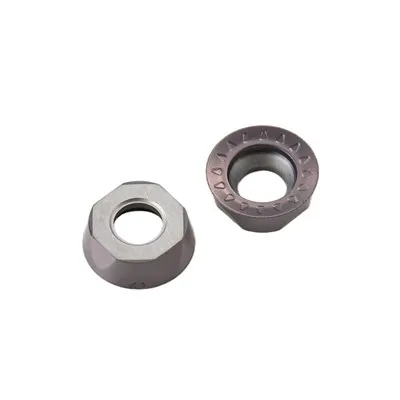
If you’re in the market for high – quality thread milling cutters that can handle interrupted cuts like a pro, I’d love to have a chat with you. Whether you’re a small – scale workshop or a large – scale manufacturing plant, I’ve got the right tools for you. Drop me a line, and we can discuss your specific needs and how my thread milling cutters can fit into your machining process. Let’s make your interrupted cutting jobs a whole lot easier and more efficient!
Thread Milling Cutter References
- "Machining Handbook" by Industrial Press Inc.
- "Cutting Tool Engineering" magazine articles on thread milling
- Technical papers from leading cutting tool manufacturers
Small Craftsman (Shandong) Machine & Tools Co., Ltd.
Small Craftsman (Shandong) Machine & Tools Co., Ltd. is one of the most experienced thread milling cutter manufacturers and suppliers in China, also supports customized service with low price. Please feel free to buy bulk high quality thread milling cutter in stock here from our factory. Contact us for pricelist.
Address: No.9 Quanxin Rd., Sishui Economic Developing Zone, Jining, Shandong, China.
E-mail: 6196@ocutchina.com
WebSite: https://www.ocutooling.com/
