Hey there! I’m an industrial RO equipment supplier, and I often get asked about the backwashing process of our gear. So, I thought I’d break it down in simple terms to help you understand what it is, why it’s important, and how it all works. Industrial RO Equipment
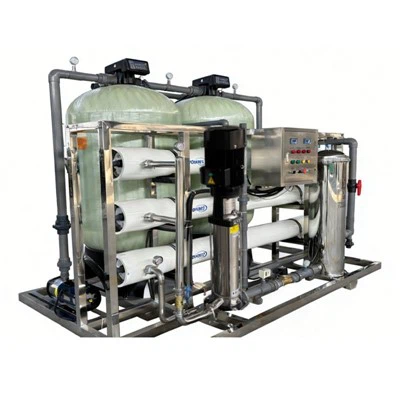
What’s Backwashing Anyway?
Backwashing is like giving your industrial RO equipment a good deep – clean. In an RO (Reverse Osmosis) system, water is forced through a semi – permeable membrane to remove impurities. Over time, though, stuff like sediment, bacteria, and other contaminants start to build up on the membrane. This can clog it up, make the system less efficient, and even reduce the lifespan of the equipment.
Backwashing is the process of reversing the flow of water through the RO system. Instead of water flowing the normal way through the membrane, we send water in the opposite direction. This helps to dislodge and flush out all the gunk that’s been stuck on the membrane and other parts of the system.
Why Backwashing is a Big Deal
Let me tell you, backwashing is super important for a bunch of reasons. First off, it keeps the RO system running at peak performance. When the membrane is clogged, the system has to work harder to push water through. This means it uses more energy, which can really add up on your utility bills. By backwashing regularly, you can keep energy consumption down and save some serious cash in the long run.
Secondly, it extends the life of your equipment. The less junk that’s caked onto the membrane and other components, the less wear and tear they’ll experience. This means you won’t have to replace parts as often, and your RO system will serve you well for years to come.
And of course, water quality is key. A clean RO system can remove more impurities from the water, giving you high – quality, pure water. This is crucial for industries where water purity is essential, like pharmaceuticals, food and beverage production, and electronics manufacturing.
How the Backwashing Process Works
The backwashing process of an industrial RO equipment can be a bit complicated, but I’ll try to make it easy to understand.
Step 1: Detection
Before we start the backwashing process, we need to figure out when it’s actually needed. There are a few ways to do this. One common method is to measure the pressure differential across the membrane. As more debris accumulates on the membrane, it becomes harder for water to pass through, which causes an increase in pressure. When the pressure difference reaches a certain point, it’s a sign that it’s time to backwash.
Another way is to monitor the water quality. If the output water starts to show a decrease in purity, or an increase in contaminants, it could mean the membrane is clogged and backwashing is required.
Step 2: Shutting Down the Normal Operation
Once we’ve determined that it’s time to backwash, the first thing we do is shut down the normal RO process. We stop the flow of feed water into the system and turn off any associated pumps and valves that are part of the regular filtration process. This ensures that we don’t mix the dirty backwash water with the clean water production process.
Step 3: Preparing for Backwashing
Next, we need to get the system ready for the reverse flow of water. We open the backwashing valves and close the normal flow valves. This sets up the path for the backwash water to flow through the system in the opposite direction.
Step 4: Initiating the Backwash
We then start pumping clean water into the system in the reverse direction. This water is usually taken from a separate clean water source. The high – pressure reverse flow of water helps dislodge the built – up contaminants on the membrane and other parts of the system.
The water flows through the membrane and other components, picking up all the dirt and debris along the way. This dirty water is then directed out of the system through a separate drain line.
Step 5: Rinsing
After the initial backwash, we usually do a rinse cycle. This is to make sure that all the remaining contaminants are flushed out of the system. We continue to pump clean water through the system for a short period, but at a lower pressure compared to the backwash.
Step 6: Resuming Normal Operation
Once the backwashing and rinsing are complete, we close the backwashing valves and open the normal flow valves again. We restart the feed water flow and the regular RO process. The system is now clean and ready to produce high – quality water again.
Frequency of Backwashing
The frequency of backwashing depends on a few factors. The quality of the feed water is a big one. If the incoming water has a high level of impurities, you’ll need to backwash more often. For example, if you’re using water from a river or a well that has a lot of sediment, you might need to backwash every few days or even daily.
The flow rate of the RO system also matters. Higher flow rates can cause more debris to accumulate on the membrane faster, so systems with high flow rates may require more frequent backwashing.
In general, it’s a good idea to have a regular backwashing schedule, but also be prepared to adjust it based on the performance and water quality of your RO system.
Our Industrial RO Equipment and Backwashing
At our company, we’ve designed our industrial RO equipment to make the backwashing process as efficient and hassle – free as possible. Our systems are equipped with advanced sensors that can accurately detect when backwashing is needed. This takes the guesswork out of the process and ensures that you’re not backwashing too often or too rarely.
We also use high – quality membranes and components that are more resistant to clogging. This means that you can go longer between backwashing cycles, saving you time and money. And when it is time to backwash, our systems are easy to operate. You don’t need to be a technical expert to carry out the backwashing process.
Why Choose Our Industrial RO Equipment
If you’re in the market for industrial RO equipment, you might be wondering why you should choose ours. Well, apart from the great backwashing features I just mentioned, our equipment is built to last. We use top – notch materials and the latest manufacturing techniques to ensure that our RO systems are durable and reliable.
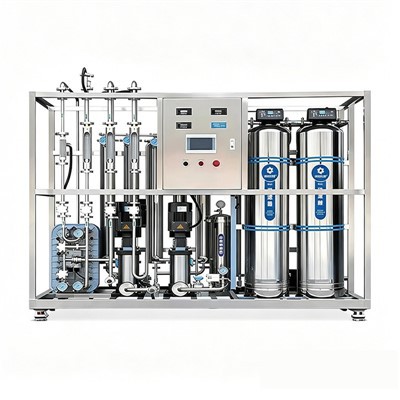
We also offer excellent customer support. If you have any questions about the backwashing process or any other aspect of our equipment, our team of experts is always here to help. We can provide you with training, troubleshooting tips, and even on – site maintenance if needed.
Let’s Talk!
SWRO & BWRO Equipment If you’re interested in learning more about our industrial RO equipment and how the backwashing process can benefit your business, I’d love to hear from you. Whether you’re a small – scale operation or a large – scale industrial facility, we have the right RO system for you. Contact us today to start a conversation about how we can meet your water purification needs.
References
- Cheryan, M. (2001). Ultrafiltration and Microfiltration Handbook. Technomic Publishing.
- Porter, M. C. (1997). Chemical Preservation and Sanitization in Food Processing. Aspen Publishers.
Shandong Yanuo Environmental Protection Equipment Co., Ltd.
We’re well-known as one of the leading industrial ro equipment manufacturers and suppliers in China, featured by quality products and good price. Please rest assured to buy bulk industrial ro equipment made in China here from our factory. Customized orders are welcome.
Address: North Side of the Road, 1,000 Meters West of the Intersection of Fenghuangshan West Road and Provincial Highway S102, Wangfu Subdistrict, Qingzhou City, Weifang City, Shandong Province.
E-mail: ynhb.499973983@gmail.com
WebSite: https://www.zkyaruo.com/
